
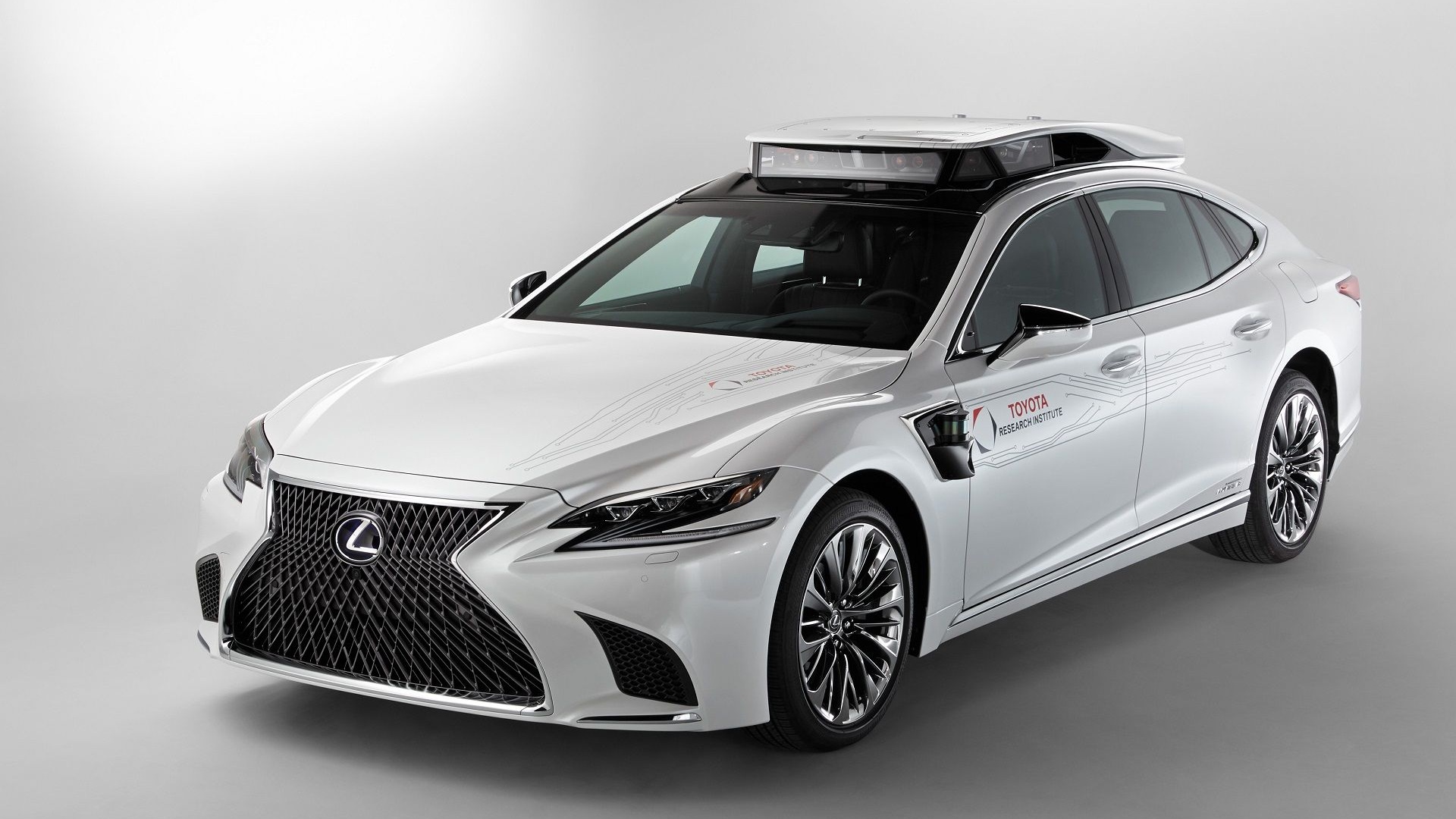
Pony.ai and Toyota have begun production of autonomous vehicles in China, signaling a move from experimentation toward commercial deployment.
After years of pilots and road tests, autonomous driving in China is edging closer to industrial reality.
Pony.ai and Toyota have started production of self-driving vehicles, marking a significant transition from experimental fleets to scaled manufacturing. The step suggests growing confidence that autonomous systems are mature enough to move beyond limited trials.
Production does not guarantee mass adoption—but it changes the stakes.
From road testing to factory lines
Autonomous vehicle developers have spent much of the past decade proving safety and reliability through controlled pilots. Production introduces new constraints: consistency, cost control, and the ability to integrate complex sensor stacks into standardized vehicles.
For Pony.ai, partnering with Toyota provides manufacturing discipline and supply-chain expertise. For Toyota, the collaboration offers a pathway to accelerate autonomous capabilities without building everything in-house.
The vehicles are expected to support commercial applications such as robotaxis rather than consumer ownership in the near term.
Why China is moving first
China’s regulatory environment has enabled more aggressive experimentation with autonomous driving, particularly in designated urban zones. Local governments have backed pilot programs that generate real-world data at scale.
That data advantage, combined with domestic manufacturing capacity, makes China a logical place to attempt production earlier than in many Western markets.
Still, commercialization will depend on deployment approvals and operating economics, not just technical readiness.
The robotaxi economics question

Moving into production shifts attention from software performance to unit economics. Autonomous systems remain expensive, driven by sensors, compute hardware, and redundancy requirements.
Production can lower costs through standardization, but profitability remains uncertain. Most operators continue to subsidize rides or limit service areas to control expenses.
The Pony.ai–Toyota move suggests confidence that costs can be driven down sufficiently to justify broader rollout.
A milestone, not an endpoint
Production marks progress, but autonomy’s hardest challenges remain: operating reliably across varied conditions, managing edge cases, and scaling services profitably.
Still, this step narrows the gap between promise and practice.
By committing to production, Pony.ai and Toyota are signaling that autonomous driving in China is no longer just a research project—it is becoming an industrial one.



