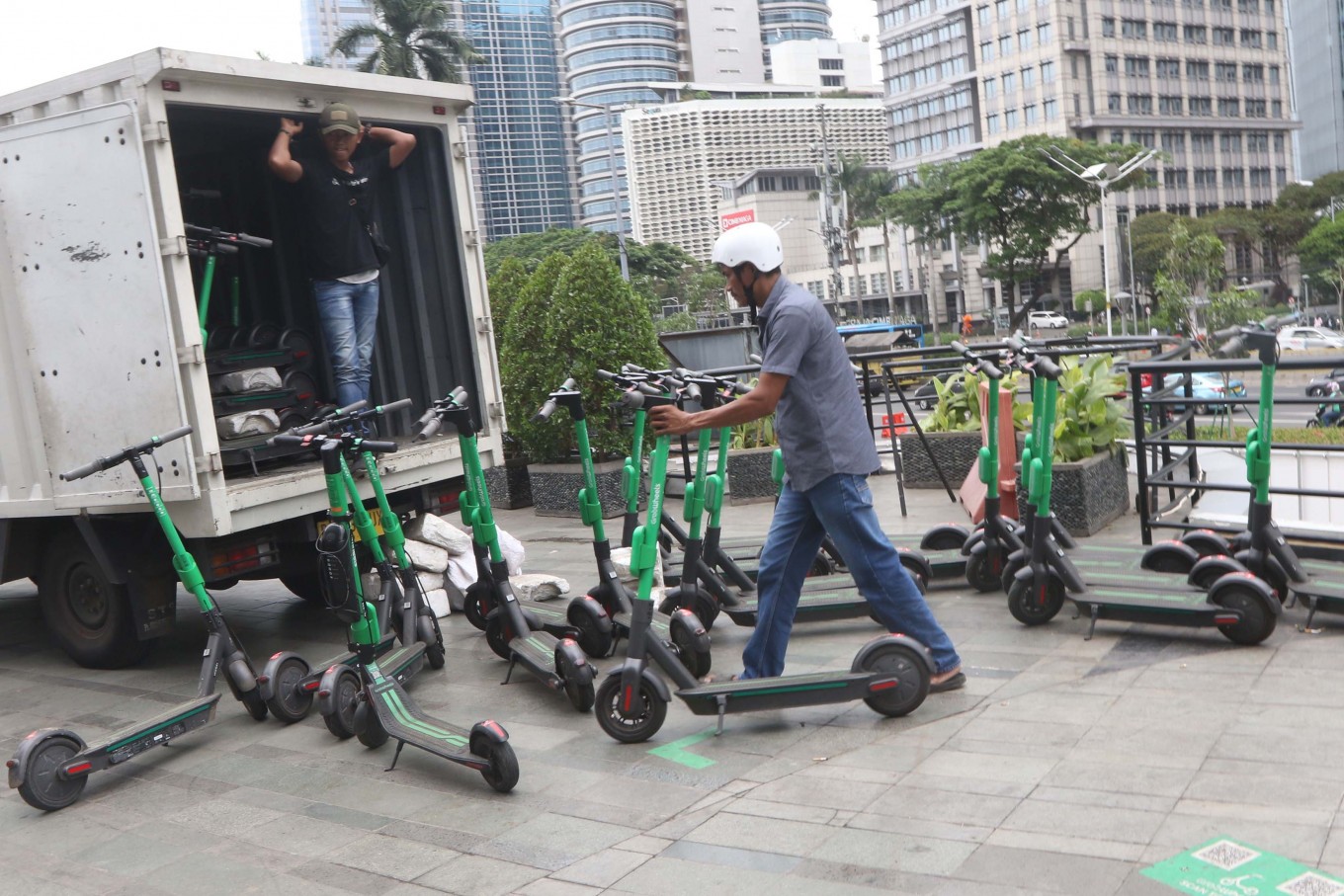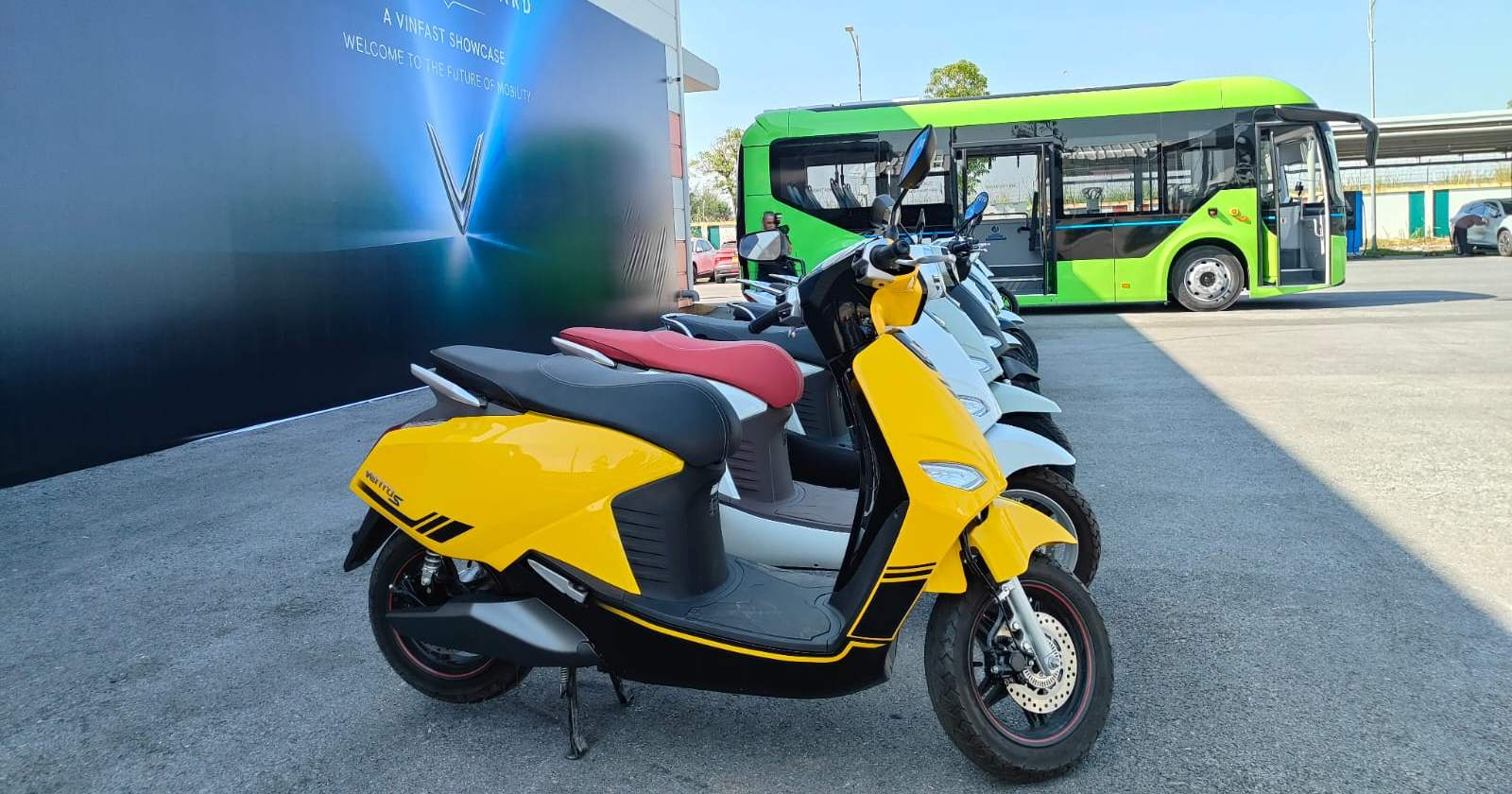
VinFast plans to launch battery-swapping electric scooters in Jakarta in 2026, aiming to address charging constraints in dense urban markets.
Southeast Asia’s electric mobility transition is unlikely to be led by cars alone. VinFast is betting that scooters—and battery swapping—will play a central role.
Vietnamese EV maker VinFast is planning to roll out battery-swapping electric scooters in Jakarta in 2026, according to people familiar with the company’s regional strategy. The move targets Indonesia’s largest city, where motorcycles dominate daily transport and charging access remains uneven.
Why battery swapping matters in Jakarta
Jakarta’s density, traffic congestion, and housing patterns make home charging difficult for many riders. Battery swapping offers an alternative: users exchange depleted batteries for charged ones in minutes, avoiding long waits or private charging setups.
The model has proven attractive in markets with high two-wheeler usage, particularly for delivery drivers and ride-hailing fleets.
For VinFast, swapping infrastructure could accelerate adoption by reducing range anxiety and downtime.
A strategic pivot beyond cars
VinFast has invested heavily in electric cars, but scooters represent a more immediate opportunity in Southeast Asia. Two-wheelers are cheaper, easier to deploy, and better aligned with urban mobility needs.
Indonesia, with its vast motorcycle population, is a natural testing ground.
A successful Jakarta launch could serve as a blueprint for expansion into other regional cities.
Infrastructure is the real challenge
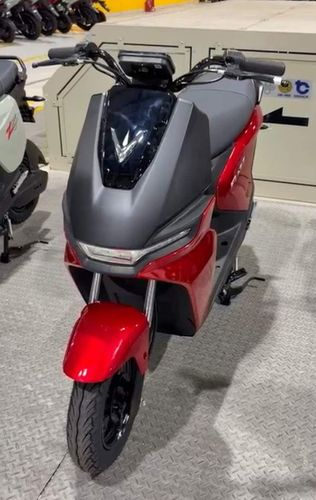
Battery swapping shifts complexity from the vehicle to the network. VinFast will need reliable station coverage, standardized batteries, and partnerships with local operators or governments.
Execution will matter as much as product design. Without dense, dependable swap points, the model struggles to scale.
That makes Jakarta both an opportunity and a stress test.
Competition is intensifying
Battery swapping is not a new concept in Southeast Asia, and local players already operate in parts of Indonesia. VinFast will face competition from domestic startups and international mobility firms.
Differentiation will likely come down to pricing, reliability, and ecosystem integration rather than brand alone.
A pragmatic mobility bet
VinFast’s Jakarta plan reflects a broader shift in EV strategy: focusing on practical, urban-first solutions rather than aspirational vehicles.
If successful, battery-swapping scooters could offer a faster route to electrification than cars in emerging markets.
For Jakarta’s commuters, the appeal is simple—less fuel cost, less downtime, and fewer emissions. For VinFast, it is a chance to anchor its Southeast Asia ambitions where mobility demand is strongest.