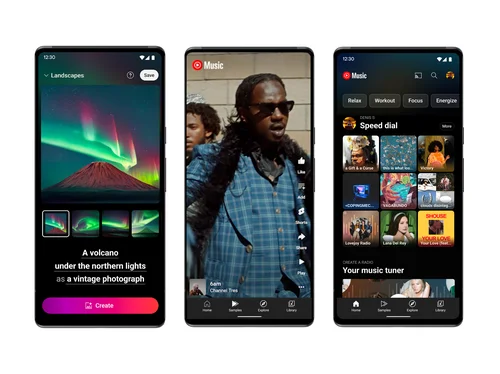
YouTube has introduced an AI-powered playlist generator for Premium users, using generative AI to create music playlists based on natural language prompts and listening context.
Music streaming platforms are no longer just recommending songs—they are starting to compose listening experiences.
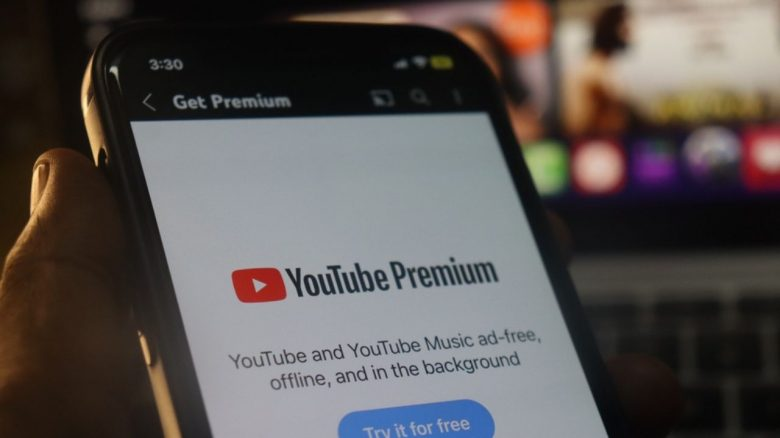
YouTube has begun rolling out an AI-powered playlist generator for Premium subscribers, allowing users to create playlists using conversational prompts rather than manual curation. The feature extends YouTube’s broader push to embed generative AI into its consumer products while adding tangible value to its paid tier.
The move reflects how personalization is becoming central to subscription retention.
From algorithms to intent-based discovery
Traditional playlist creation relies on historical listening data and algorithmic similarity. YouTube’s new tool shifts that model toward intent-based discovery—users can describe moods, activities, or themes, and the system generates a playlist in response.
This approach mirrors how users increasingly interact with AI systems elsewhere: through natural language rather than menus and filters.
For music platforms, it reduces friction at the moment of engagement.
Why Premium users get it first
Limiting the feature to Premium subscribers underscores how AI tools are becoming differentiators in paid streaming plans, not just background optimizations.
As subscription growth slows across streaming services, platforms are under pressure to justify monthly fees beyond ad removal or offline playback.
AI-driven creation and curation tools offer a way to bundle “intelligence” into subscriptions without renegotiating content rights.
YouTube’s unique advantage in music data
Unlike pure-play music services, YouTube sits at the intersection of music, video, and creator ecosystems. That gives it access to a wider range of signals—from official tracks and live performances to covers, remixes, and user-generated content.
Those signals can inform more nuanced playlist generation, though they also raise questions about consistency and licensing boundaries.
Still, few platforms operate at comparable scale.
Part of a broader AI rollout
The playlist generator follows a series of AI features introduced across YouTube and Google’s consumer products, including summarization, content discovery, and creative tools.
Rather than positioning AI as a standalone product, YouTube is embedding it into everyday workflows—watching, listening, and now curating.
That incremental approach may prove more durable than splashy standalone launches.
Competitive pressure in streaming
Music streaming is a mature, highly competitive market. Differentiation increasingly comes from experience rather than catalog size.
AI-generated playlists could shift expectations, making manual curation feel dated over time—particularly for casual listeners who want instant results.
Rivals will be watching closely.
A subtle but strategic change
The AI playlist generator is not a radical reinvention of music streaming. But it reflects a deeper shift: from platforms predicting what users might like, to systems responding directly to what users say they want.
If that interaction model sticks, AI may quietly become the primary interface for music discovery.
For YouTube, the bet is that smarter playlists translate into longer listening—and fewer reasons to cancel.