
Hyundai, Kia, and BMW are recalling vehicles in South Korea due to software-related defects, underscoring how digital systems are reshaping automotive safety risks.
As vehicles become software-defined machines, recalls are increasingly digital in nature.
Hyundai Motor, Kia, and BMW are recalling vehicles in South Korea due to software defects, according to Tech in Asia. The issues reportedly affect onboard systems tied to safety or operational functionality.
The recall reflects a broader industry reality: software errors can now trigger regulatory action as readily as mechanical faults.
Software at the core of modern vehicles
Contemporary cars rely heavily on embedded software for braking systems, driver assistance, battery management, and infotainment.
As these systems grow more complex, the likelihood of bugs or configuration errors rises.
Unlike traditional recalls tied to physical components, defects can sometimes be resolved through updates—though they still require regulatory notification and owner compliance.
Rising regulatory scrutiny
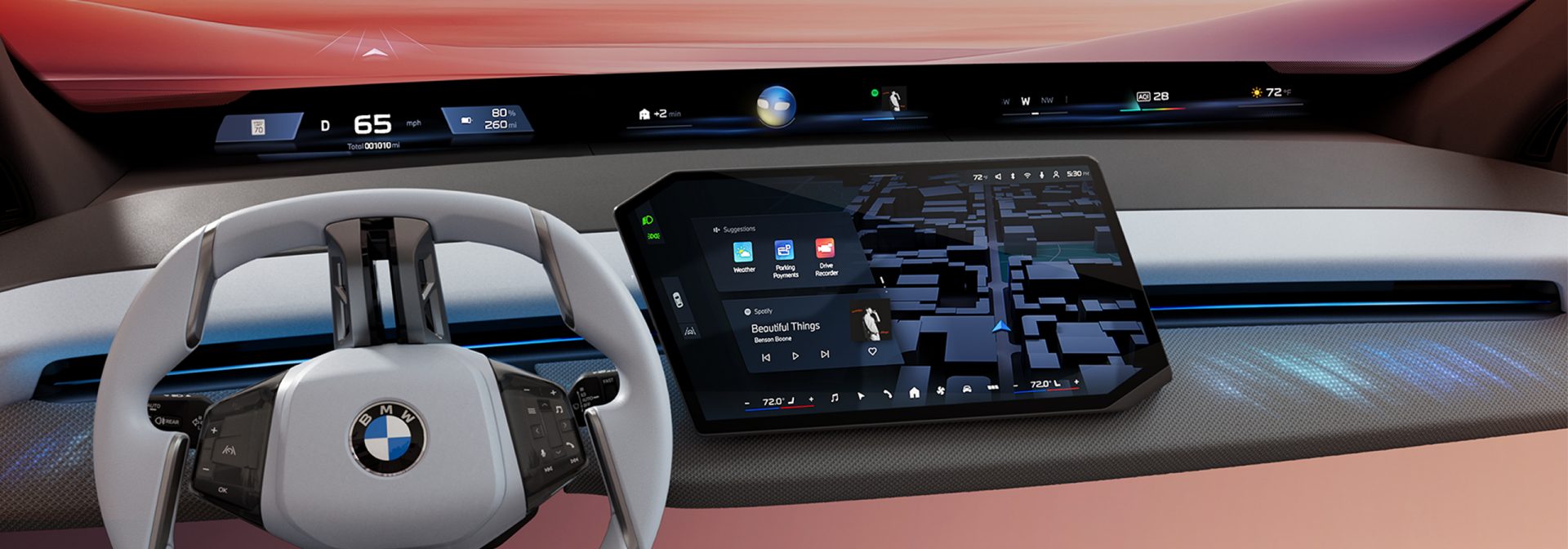
South Korean transport authorities have tightened oversight as vehicles become more digitized. Even minor glitches can raise safety concerns if they affect driver alerts, braking logic, or powertrain management.
Regulators globally are adapting frameworks originally designed for mechanical engineering to oversee heavy automotive platforms.
That transition is still evolving.
The shift to software-defined vehicles
The recalls highlight a structural transformation in the automotive industry.
Manufacturers increasingly treat vehicles as upgradeable platforms, capable of receiving over-the-air updates. This model allows faster fixes but also creates new vectors for risk.
Testing across diverse configurations and usage conditions presents unique challenges compared with hardware validation.
Brand and trust implications

For automakers, software recalls can be reputationally sensitive, especially as consumers expect digital systems to function seamlessly.
However, swift acknowledgment and remediation can reinforce confidence.
In competitive EV and connected-car markets, reliability remains a key differentiator.
A preview of future recall patterns
As cars integrate more AI-assisted driving features, recall categories are likely to shift further toward digital performance and system integration issues.
The current recall may be resolved through updates, but it underscores a lasting change: automotive safety now depends as much on code quality as mechanical precision.



