Activist investor Ancora has publicly opposed the proposed Warner Bros.–Netflix deal, citing concerns around valuation, governance, and strategic alignment.
Shareholder scrutiny is intensifying around one of the media sector’s most closely watched transactions.
Activist investor Ancora Holdings has publicly opposed the proposed deal between Warner Bros. Discovery and Netflix, according to TechCrunch.
The opposition adds pressure to a transaction that would further consolidate the global streaming landscape.
Governance and valuation questions
Ancora reportedly raised concerns about the financial and strategic terms of the agreement, questioning whether the deal adequately protects shareholder interests.
Activist investors typically intervene when they perceive undervaluation, excessive dilution, or misaligned leadership incentives.
Public opposition can influence board negotiations and investor sentiment.
Netflix Streaming consolidation debate
The streaming sector has entered a phase of recalibration after years of aggressive expansion.
Rising content costs, subscriber growth plateaus in certain regions, and investor pressure for profitability have reshaped strategic priorities.
Large-scale combinations promise content synergies and cost efficiencies, but integration risks remain substantial.
Competitive implications
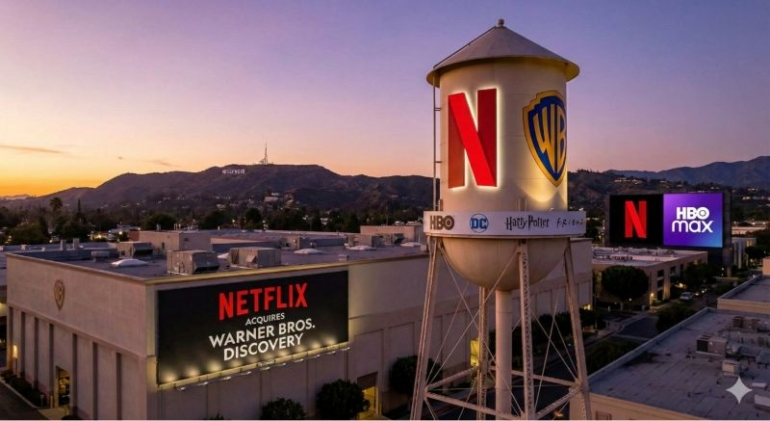
A deeper tie-up between Warner Bros. Discovery and Netflix could reshape bargaining dynamics with advertisers, content producers, and distributors.
The deal would consolidate premium content libraries under fewer corporate umbrellas.
Rivals may respond through alliances or targeted acquisitions of their own.
Shareholder activism returns to media
Media conglomerates have historically faced activist scrutiny during transformative mergers.
Ancora’s involvement underscores that investor patience for high-risk consolidation may be limited in the current macro environment.
Boards must balance strategic ambition with disciplined capital allocation.
Regulatory dimension
Any major cross-platform combination in streaming could attract regulatory review, particularly around market concentration and consumer choice.
Activist objections may further complicate timelines if shareholder votes become contentious.
The broader signal
The dispute highlights how streaming’s second decade is defined less by growth-at-all-costs and more by structural optimization.
Shareholders are demanding clearer paths to profitability and sustainable integration.
Whether the deal proceeds as structured or undergoes renegotiation will depend on board response and investor alignment.
In a maturing streaming market, consolidation is no longer a guaranteed applause line.