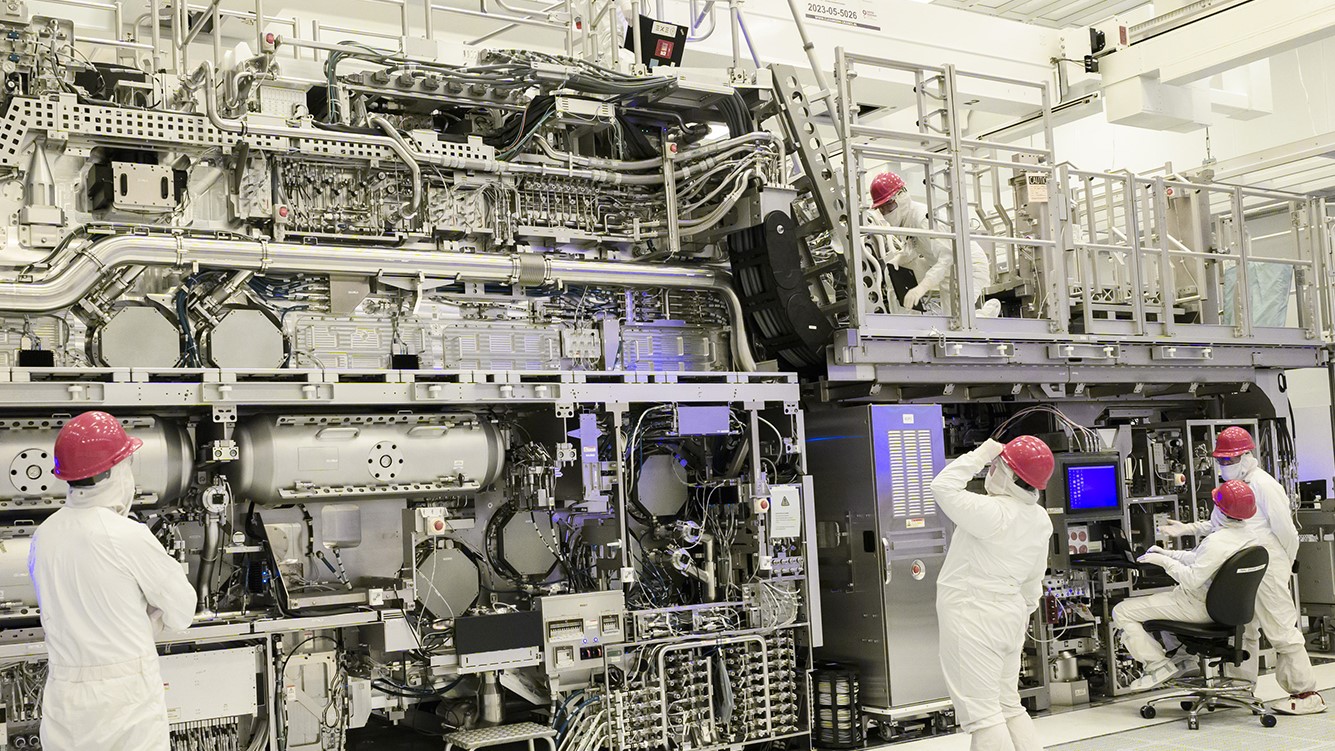
Intel has withdrawn from a wafer supply agreement with Israel-based Tower Semiconductor, marking a shift in its semiconductor sourcing strategy.
Semiconductor supply chains remain fluid as chipmakers recalibrate capital commitments.
Intel has withdrawn from a wafer supply agreement with Tower Semiconductor, according to Tech in Asia.
The move reflects broader strategic adjustments within a chip industry navigating cyclical demand and geopolitical complexity.
Strategic recalibration
Wafer supply agreements are critical for securing fabrication capacity and ensuring production continuity.
Intel’s withdrawal suggests a reassessment of manufacturing needs, cost structures, or partnership priorities.
The decision may align with Intel’s ongoing efforts to optimize its foundry strategy and internal production roadmap.
Foundry market volatility
The global semiconductor sector has experienced demand fluctuations across consumer electronics, automotive, and data center segments.
As inventory corrections ripple through the market, companies are reassessing long-term supply commitments.
Reducing or revising agreements can improve capital flexibility.
Geopolitical considerations
Israel plays a notable role in semiconductor manufacturing and R&D.
Adjustments in cross-border chip agreements often intersect with broader geopolitical and trade dynamics.
Companies must navigate regulatory frameworks and supply chain resilience concerns simultaneously.
Intel’s broader transformation
Intel has been reshaping its business model to compete more aggressively in foundry services and advanced process nodes.
Streamlining supply contracts may be part of cost discipline initiatives.
Balancing internal manufacturing with external partnerships remains central to its competitive positioning.
Impact on Tower Semiconductor
For Tower, changes in wafer agreements can influence capacity planning and revenue projections.
Foundries depend on stable long-term contracts to justify capital-intensive infrastructure investments.
Diversifying customer bases mitigates such exposure.
Industry signal
Chipmakers worldwide are recalibrating amid softer demand in certain segments and sustained investment in AI-related compute.
Wafer agreements, once locked in for years, are increasingly subject to revision.
Intel’s withdrawal underscores that semiconductor strategy remains dynamic, shaped by market cycles and strategic ambition.