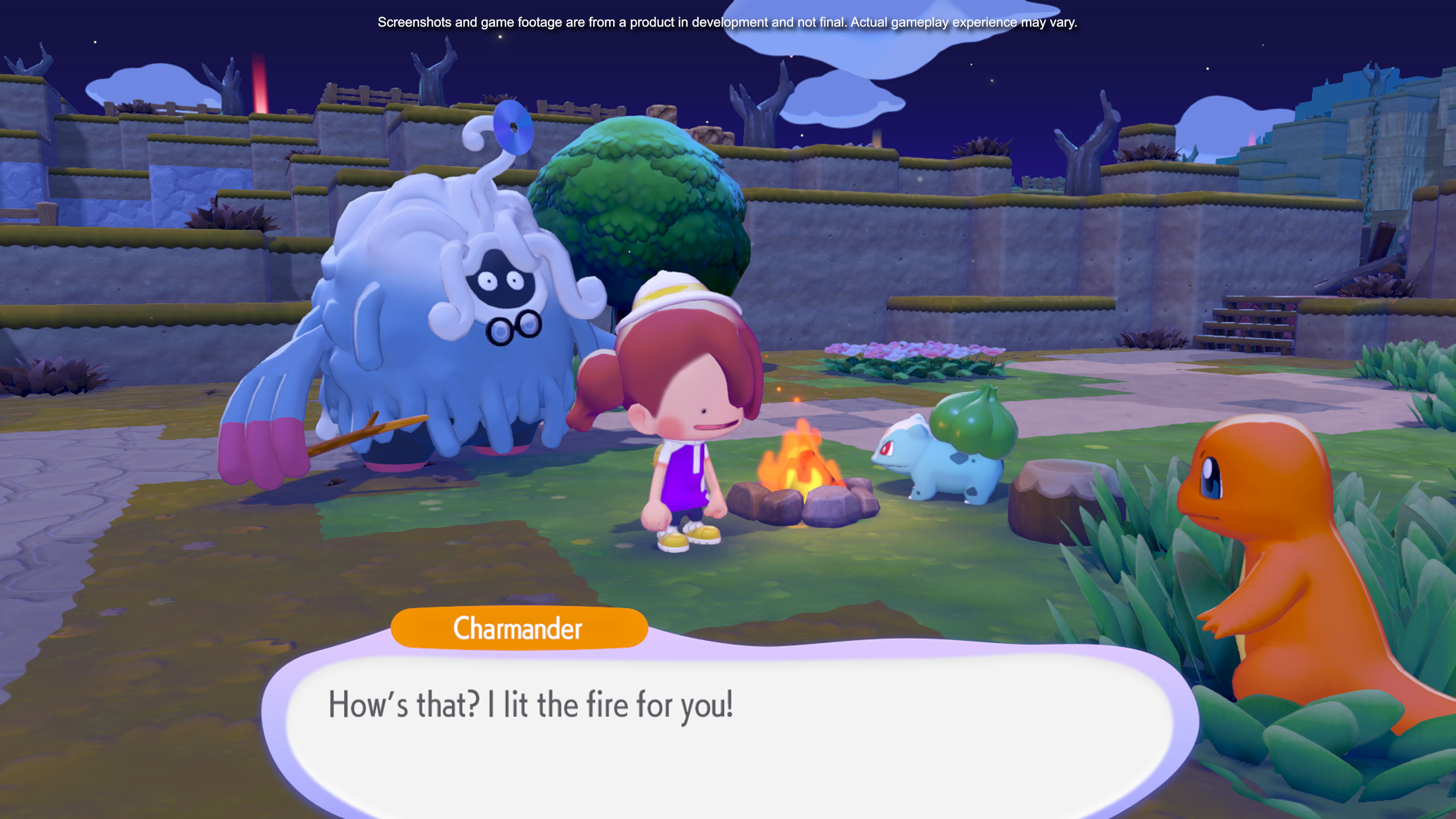
Pokémon Pokopia introduces a relaxed, life-simulation approach to the Pokémon universe, focusing on exploration, companionship, and low-stakes play.
In an industry dominated by live-service grinds and competitive multiplayer, Nintendo appears to be leaning into calm.
Pokémon Pokopia, the latest spinoff in the long-running franchise, trades gym battles and high-stakes tournaments for something gentler: a cozy, life-simulation experience built around exploration and everyday interactions with Pokémon.
The tonal shift is notable. Pokémon remains one of gaming’s most commercially dominant IPs, traditionally anchored in structured progression, collectible mechanics, and competitive ecosystems.
Pokopia, by contrast, emphasizes ambiance over ambition.
A franchise experiments with comfort
Rather than centering on turn-based combat, Pokopia appears structured around:
- Village life and environmental exploration
- Relationship-building with Pokémon
- Customization and light crafting systems
- Low-pressure progression loops
This design direction places it closer to life-simulation titles than to core Pokémon RPG installments.
The move aligns with a broader industry trend. “Cozy games” — low-stress experiences prioritizing aesthetics, creativity, and routine — have grown into a durable segment, particularly on handheld consoles.
Strategic diversification for Nintendo

For Nintendo, franchise elasticity has long been a strength. Pokémon has expanded into racing games, mobile titles, augmented reality, and competitive arena formats.
A cozy spinoff expands the addressable audience further, appealing to players who may not engage deeply with competitive mechanics but are drawn to the world and characters.
On hybrid platforms like the Switch, where handheld play dominates usage patterns, slower-paced games often see sustained engagement.
Market timing
The release arrives as players increasingly seek counterprogramming to intense live-service ecosystems.
While blockbuster RPG entries in the Pokémon series continue to drive major sales cycles, smaller-scale projects like Pokopia help maintain brand continuity between tentpole releases.
They also provide lower-risk experimentation with art direction and gameplay mechanics that could influence future mainline entries.
Pokémon Pokopia business of calm
Cozy games tend to rely on long engagement curves rather than high upfront complexity. Monetization often comes from expansions, cosmetic customization, or seasonal updates rather than competitive ecosystems.
For Pokémon, whose revenue streams span merchandise, animation, and licensing, maintaining cultural warmth is as critical as delivering mechanical depth.
Pokopia appears to reinforce that warmth — positioning Pokémon not only as a competitive battler’s franchise, but as a comfort universe.
In a year defined by technical spectacle and hardware debates, a small, gentle spinoff may serve a strategic purpose: reminding audiences that emotional resonance, not scale alone, sustains enduring franchises.