The U.S. SEC has closed its investigation into Fisker following the EV startup’s bankruptcy, concluding a probe into disclosures and financial practices.
The U.S. Securities and Exchange Commission has formally closed its investigation into Fisker, bringing regulatory scrutiny of the failed electric vehicle maker to an end after its high-profile bankruptcy.
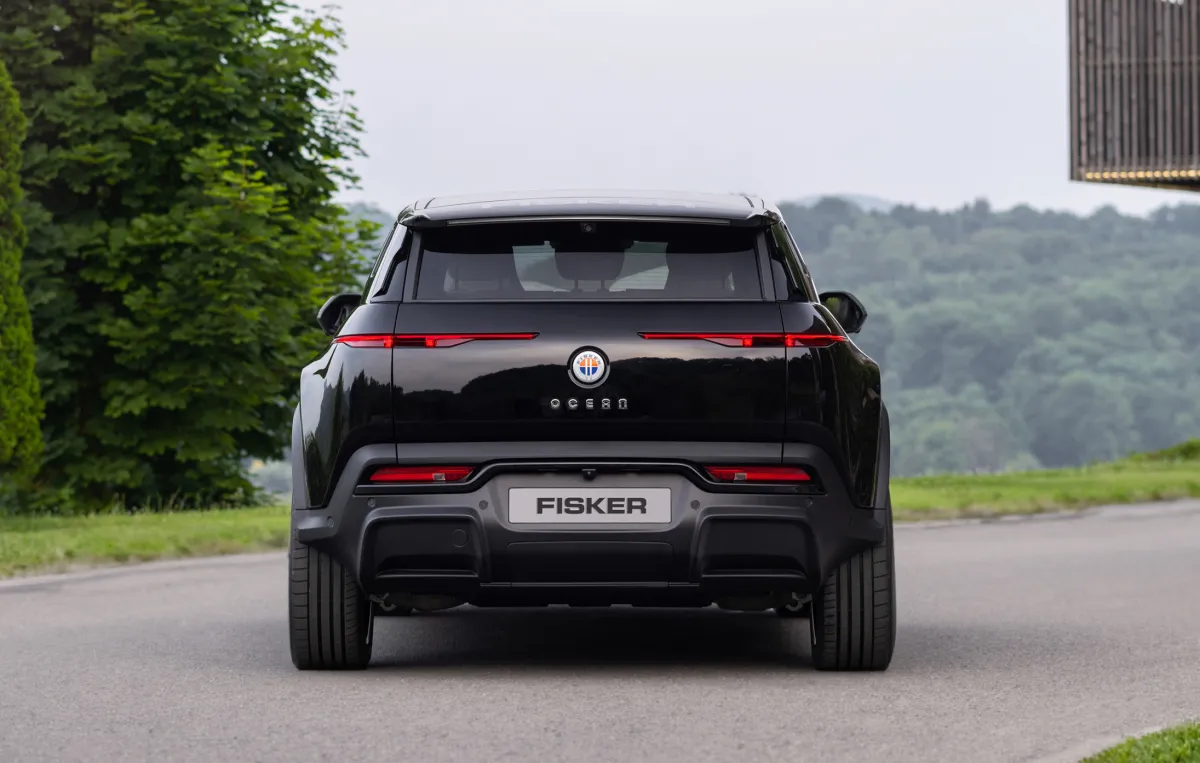
The probe had examined whether the company’s public disclosures and financial reporting accurately reflected its operational and liquidity position as it struggled to ramp production of its Ocean SUV.
A Startup That Rose — and Fell — Quickly
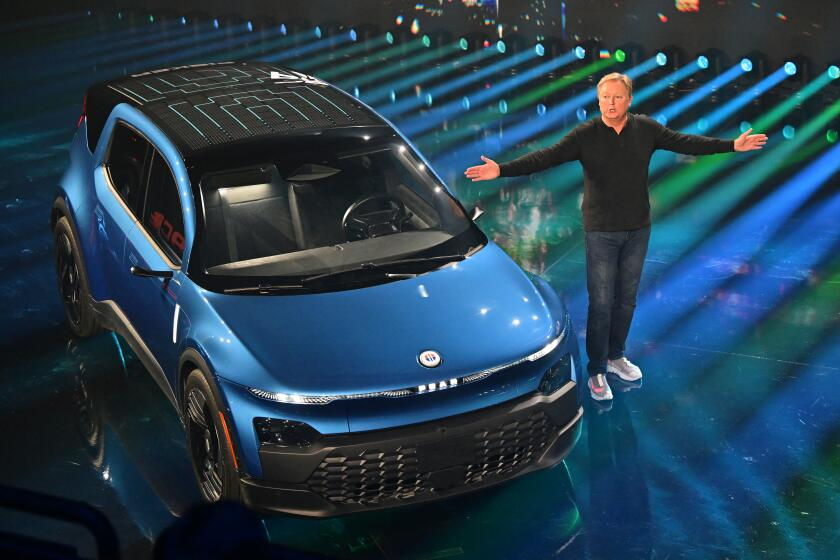
Fisker, founded by automotive designer Henrik Fisker, positioned itself as a design-forward EV challenger. Its flagship model, the Ocean SUV, was marketed as a sustainable alternative in a crowded but fast-growing electric vehicle market.
However, persistent supply chain issues, quality control complaints, delayed deliveries, and tightening capital markets put pressure on the company’s balance sheet. By mid-2025, Fisker had filed for bankruptcy protection, joining a growing list of EV startups that struggled to survive post-SPAC-era exuberance.
The SEC investigation had focused on whether Fisker properly disclosed risks tied to production delays, vendor disputes, and funding shortfalls during its final quarters as a publicly traded company.
No Further Enforcement Action
According to reports, the SEC has opted not to pursue enforcement action, effectively closing the matter without fines or charges.
While the closure ends formal regulatory proceedings, it does not reverse the broader financial damage. Investors suffered steep losses as shares collapsed in the months leading up to bankruptcy.
The decision may also signal the regulator’s broader approach toward failed SPAC-era companies — particularly those whose collapse stemmed from execution challenges rather than clear evidence of fraud.
The Bigger EV Reckoning
Fisker’s downfall reflects wider structural headwinds in the EV market. Rising interest rates, cooling consumer demand in certain regions, and aggressive price competition led by established automakers and dominant players have exposed the fragility of capital-intensive startups.
Unlike asset-light software companies, EV makers require billions in upfront manufacturing, supply chain, and distribution investments — leaving little margin for missteps.
With the investigation now closed, Fisker’s remaining assets will continue through bankruptcy proceedings. For regulators and investors alike, the episode reinforces the importance of rigorous disclosure and realistic production forecasts in a sector where hype once outpaced fundamentals.