February 2026 delivered a diverse lineup of video game releases across consoles and PC, including major franchise entries and standout indie titles.
February is traditionally a transitional month in the gaming calendar — no longer part of the holiday rush, yet early enough to set the tone for the year. In 2026, it delivered a slate that underscores how diversified the industry has become.
Rather than being dominated by a single blockbuster, this year’s February lineup reflects a market where AAA titles, mid-tier releases, and indie standouts coexist more evenly across platforms.
A healthier mid-cycle market
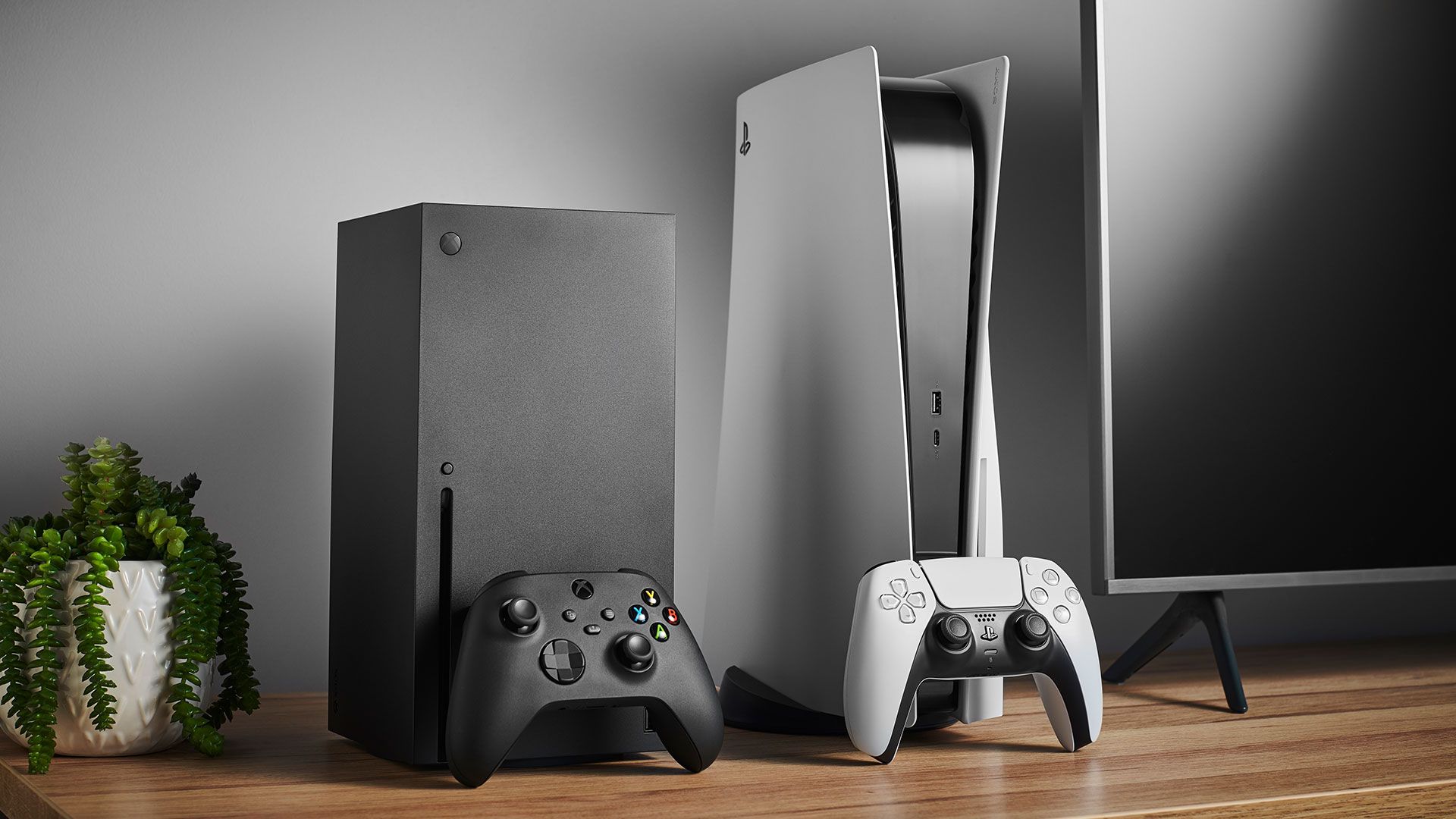
Console cycles are now well into maturity for both the PlayStation 5 and the Xbox Series X, while the Nintendo Switch continues to sustain a strong install base late in its lifecycle.
That maturity is reflected in February’s releases, which include:
- Expansions to established franchises
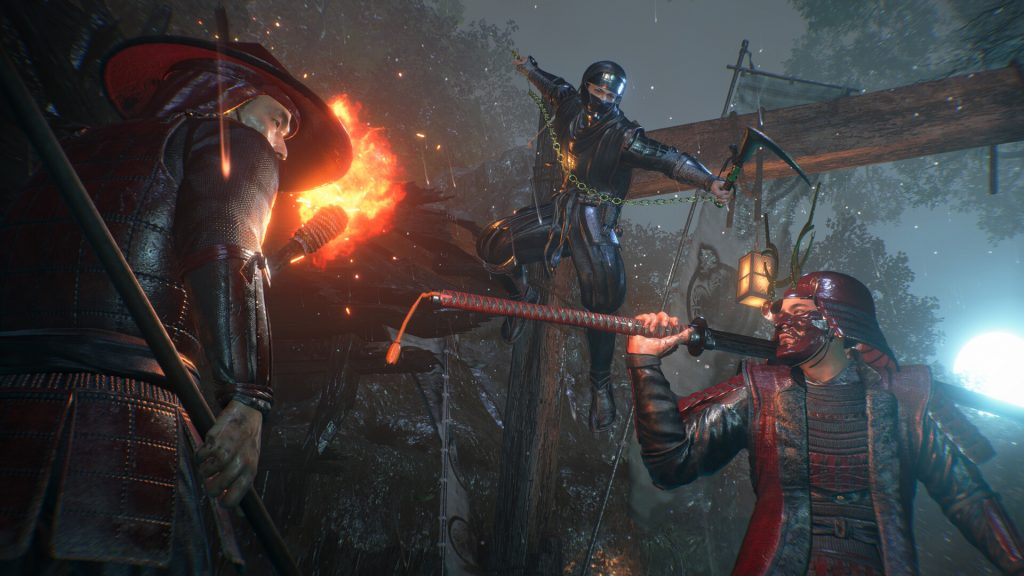
- Genre-blending action RPGs
- Competitive multiplayer updates
- Experimental indie titles
Publishers appear increasingly comfortable spacing high-profile launches outside the traditional Q4 window.
Franchise momentum meets reinvention
Several February releases built on long-running series, yet leaned into mechanical refinement rather than radical reinvention.
This approach reflects a broader industry pattern: retaining loyal audiences while optimizing gameplay systems for performance improvements, AI-driven NPC behavior, and cross-platform play.
Developers are balancing innovation with risk management — particularly as budgets for AAA titles continue to climb.
Indies continue to punch above weight
February also reinforced the importance of smaller studios.
Independent releases this month gained traction not through massive marketing campaigns but through:
- Strong word-of-mouth
- Streamer amplification
- Platform storefront visibility
Digital distribution ecosystems have matured to the point where breakout success no longer requires retail shelf dominance.
Subscription and ecosystem effects in Games
Game subscription services have altered release strategy. Titles launching day-one into libraries can drive immediate player volume without relying solely on $70 retail sales.
For publishers, this model can offset marketing costs. For platform holders, it strengthens ecosystem loyalty.
February’s mix suggests that steady cadence — rather than seasonal spikes — may define 2026’s release strategy.
A more distributed spotlight
In past years, February occasionally served as a holding pattern before spring showcases. This year felt different.
The month’s strongest titles spanned genres and budgets, signaling an industry less dependent on singular tentpole moments and more reliant on continuous engagement.
For Game players, that means a steady pipeline of quality. For publishers, it reflects a strategic recalibration: momentum matters year-round.
As the industry navigates evolving hardware cycles, subscription economics, and AI-enhanced development pipelines, February 2026 offers a snapshot of a gaming market that is broader, steadier — and more competitive — than ever.