
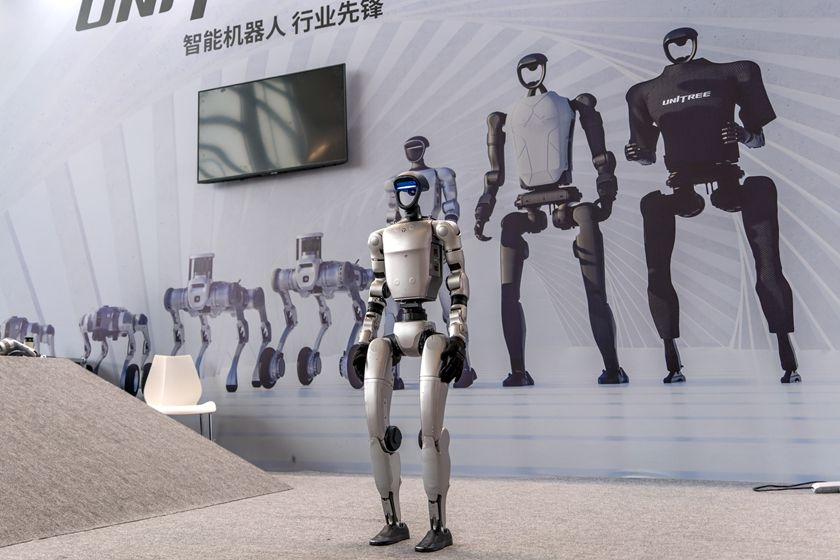
China is set to showcase humanoid robots at its annual Spring Festival Gala, marking a high-visibility moment for the country’s fast-growing robotics sector and signaling Beijing’s intent to position AI-driven hardware as a national priority.
The Spring Festival Gala — one of the most-watched television broadcasts globally — has historically blended culture, entertainment, and subtle political messaging. Featuring humanoid robots on such a stage elevates robotics from industrial backrooms to mainstream cultural symbolism.
Robotics moves from factory floors to center stage
Humanoid robots in China have traditionally been demonstrated in industrial, research, or tech conference settings. Their inclusion in a mass-market cultural event underscores a broader narrative: advanced robotics is no longer niche — it is part of China’s long-term industrial and technological identity.
China has aggressively invested in robotics as part of its advanced manufacturing and AI ambitions. The country is already the world’s largest market for industrial robots. Now, it is accelerating development in humanoid and service robotics — areas expected to define the next wave of automation.
Strategic timing amid global AI competition
The showcase comes amid intensifying global competition in AI and robotics. Governments worldwide are prioritizing sovereign technology capabilities, particularly in areas that combine software intelligence with physical systems.
Humanoid robots represent a convergence of:
- Advanced AI models
- Real-time sensor fusion
- Precision hardware engineering
- Scalable manufacturing
By spotlighting these systems at a culturally significant event, China signals both domestic confidence and international competitiveness.
Symbolism and soft power
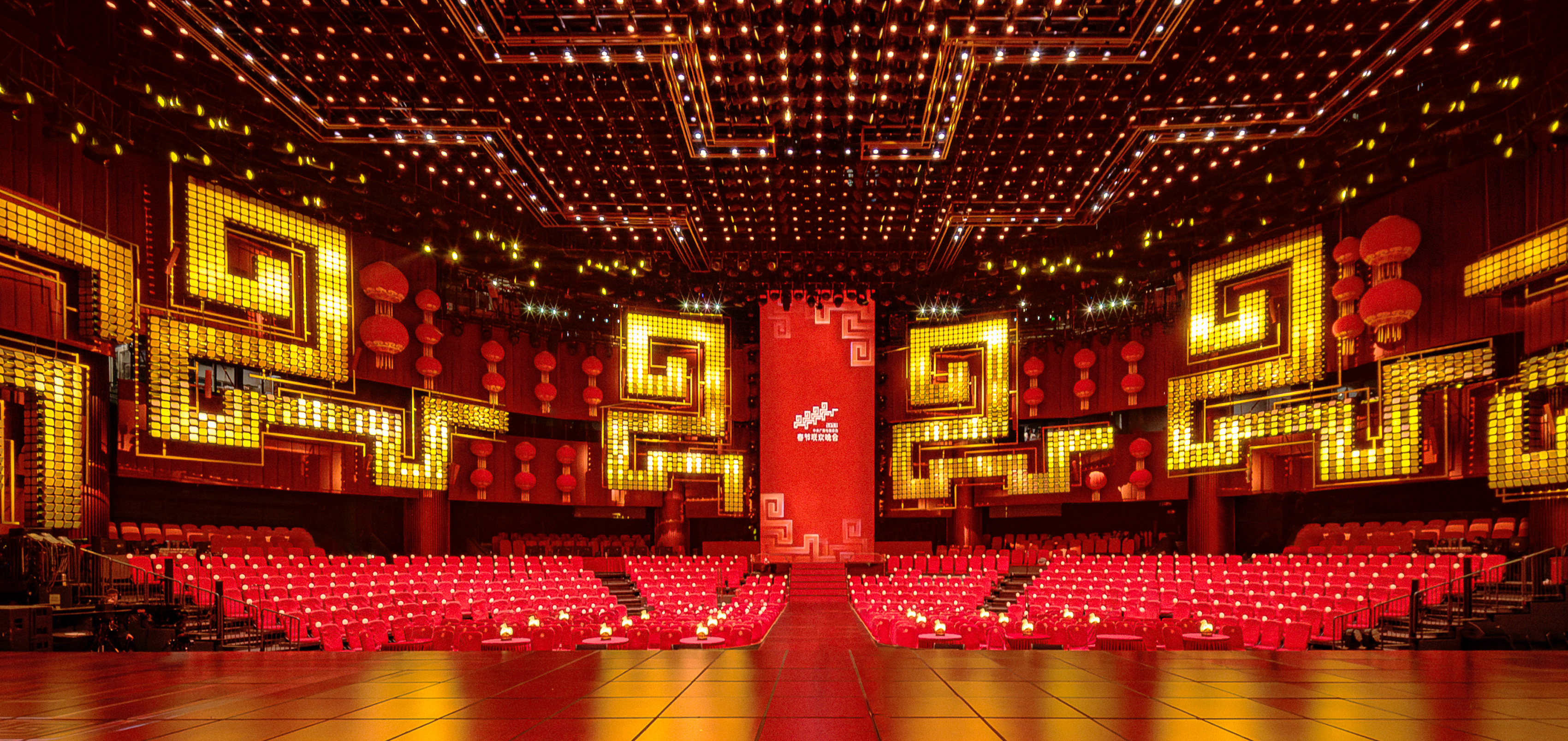
The Spring Festival Gala is not merely entertainment — it is cultural infrastructure. Featuring humanoid robots alongside traditional performances subtly blends heritage with technological ambition.
This narrative aligns with China’s broader messaging: technological modernization and cultural continuity are not mutually exclusive.
For robotics firms, the exposure could translate into stronger domestic recognition, investor confidence, and potential enterprise or public-sector partnerships.
From spectacle to commercialization
While stage appearances create excitement, commercialization remains the real test. Humanoid robots still face challenges around:
- Battery efficiency
- Dexterity and fine motor skills
- Cost reduction
- Scalable deployment
However, advances in AI-driven control systems and modular hardware design are narrowing these gaps.
If China can translate high-visibility demonstrations into real-world applications — from logistics and manufacturing to elder care and hospitality — it could strengthen its leadership in embodied AI.
The Spring Festival stage may be symbolic, but the message is practical: robotics is moving closer to daily life.



