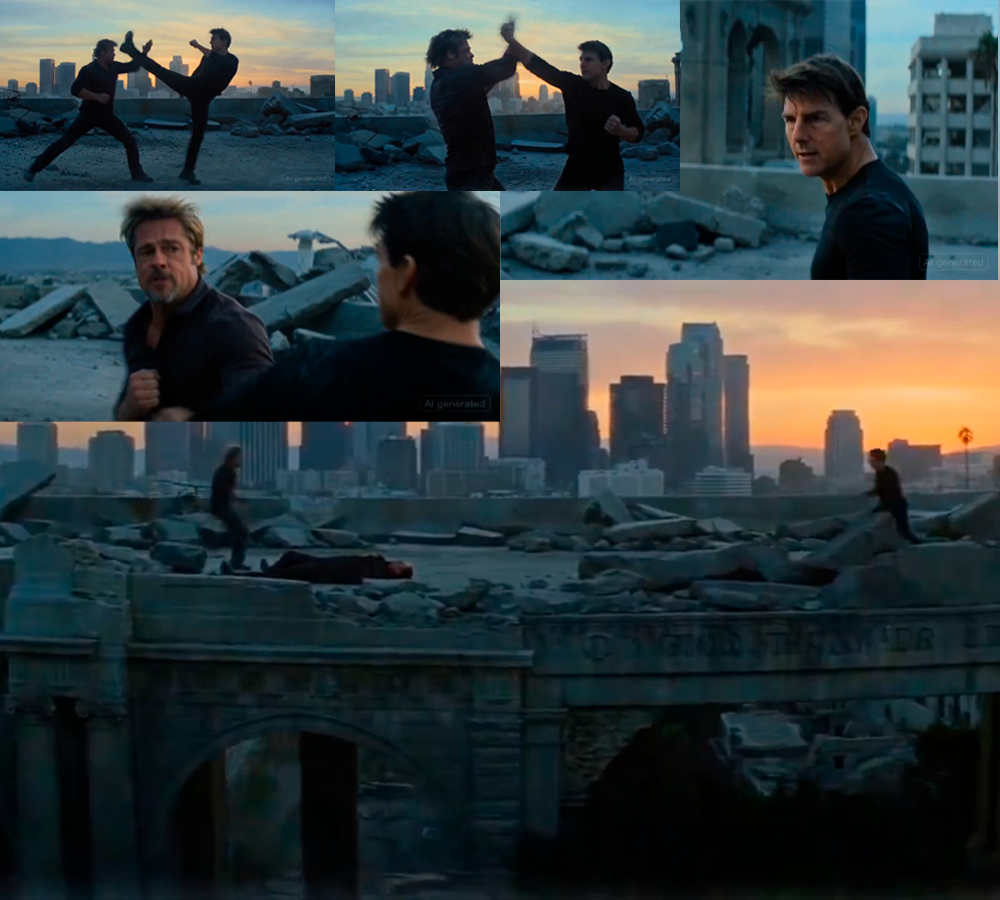
Hollywood industry representatives have criticized ByteDance’s Seedance AI model over alleged copyright concerns, intensifying the global debate over generative AI and intellectual property.
Entertainment industry groups are voicing concerns about ByteDance’s Seedance AI video model, arguing that generative tools trained on copyrighted material may undermine intellectual property protections.
Seedance, developed by ByteDance’s AI teams, is designed to generate high-fidelity video content from text prompts. While positioned as a creative productivity tool, the model’s capabilities have drawn scrutiny from film and television stakeholders.
Copyright at the center
At issue is whether generative AI systems are trained on copyrighted material without explicit licensing agreements.
Hollywood organizations have long argued that:
- Training on copyrighted works without consent violates IP law
- AI-generated derivatives could dilute original works
- Compensation frameworks are necessary for creators
These tensions mirror ongoing lawsuits in the United States and Europe targeting AI developers.
Global regulatory ripple effects
The debate has implications beyond entertainment.
Governments are increasingly evaluating:
- Mandatory dataset transparency
- Opt-out frameworks for creators
- Licensing models for AI training
In jurisdictions such as the European Union, AI Act compliance could require greater disclosure from companies deploying large-scale generative models.
Strategic stakes for ByteDance

For ByteDance, AI expansion is part of a broader push beyond social media platforms such as TikTok.
AI video generation tools represent a natural extension of short-form content ecosystems. However, operating in creative industries requires navigating entrenched copyright structures.
A wider industry reckoning
Hollywood’s criticism reflects a structural challenge confronting generative AI companies: innovation has outpaced legal clarity.
Courts and regulators have yet to establish definitive standards on:
- Fair use in model training
- Ownership of AI-generated outputs
- Liability for derivative resemblance
As generative AI becomes capable of producing near-studio-quality visuals, the legal battle is likely to intensify.
The Seedance debate highlights a broader transition. AI is no longer peripheral to media production — it is becoming embedded within it. The unresolved question is how value will be shared between technology platforms and original rights holders in the next phase of creative production.