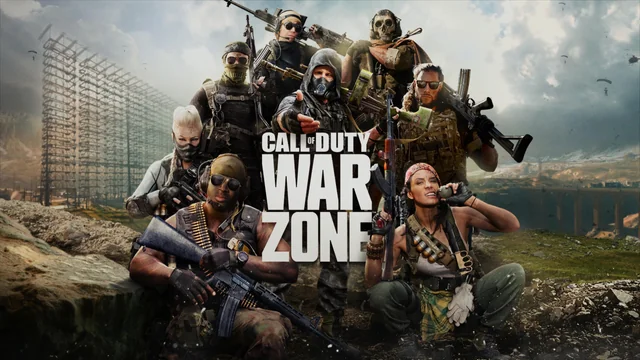
Activision has announced the shutdown of a Call of Duty title, bringing its live-service operations to a close. The move reflects the typical lifecycle management of multiplayer-focused games
Another live-service chapter in the Call of Duty universe is closing.
Activision has confirmed that one of its Call of Duty titles will be officially shut down, ending active support and online functionality. While the franchise continues to generate strong annual releases, not every installment is designed for indefinite longevity.
The decision underscores a structural reality in modern gaming: live-service titles operate within defined commercial windows.
The lifecycle of multiplayer games
Online-first games rely on sustained player engagement to justify server costs, content updates, and moderation infrastructure.
When player numbers decline below viable thresholds, publishers often sunset titles to reallocate resources.
For major franchises like Call of Duty, this approach allows Activision to:
- Concentrate development talent on flagship releases
- Reduce infrastructure expenses
- Streamline player communities
- Focus marketing on current titles
The shutdown does not signal retreat from the franchise but reflects portfolio optimization.
Player impact and transition
When a Call of Duty title reaches end-of-life status, players typically lose access to:
- Online multiplayer modes
- Live events
- Seasonal content updates
Single-player components, where applicable, may remain playable depending on platform policies.
Activision often encourages migration to newer entries within the franchise, which continue to receive patches and competitive support.
Franchise durability remains intact
Call of Duty remains one of the industry’s most resilient annual franchises.
Each new release typically incorporates lessons from previous iterations, including refined mechanics, updated graphics engines, and evolving monetization systems.
Retiring older titles can strengthen ecosystem cohesion by directing active users toward the latest platform.
Live-service economics under scrutiny
The gaming industry has experienced volatility in live-service models over the past few years.
Rising development costs and intense competition for player time have led to:
- Project cancellations
- Studio restructurings
- Strategic narrowing of pipelines
Even established franchises must periodically reassess resource allocation.
For Activision, sunsetting older entries ensures that infrastructure investments align with active demand.
Preservation and community considerations
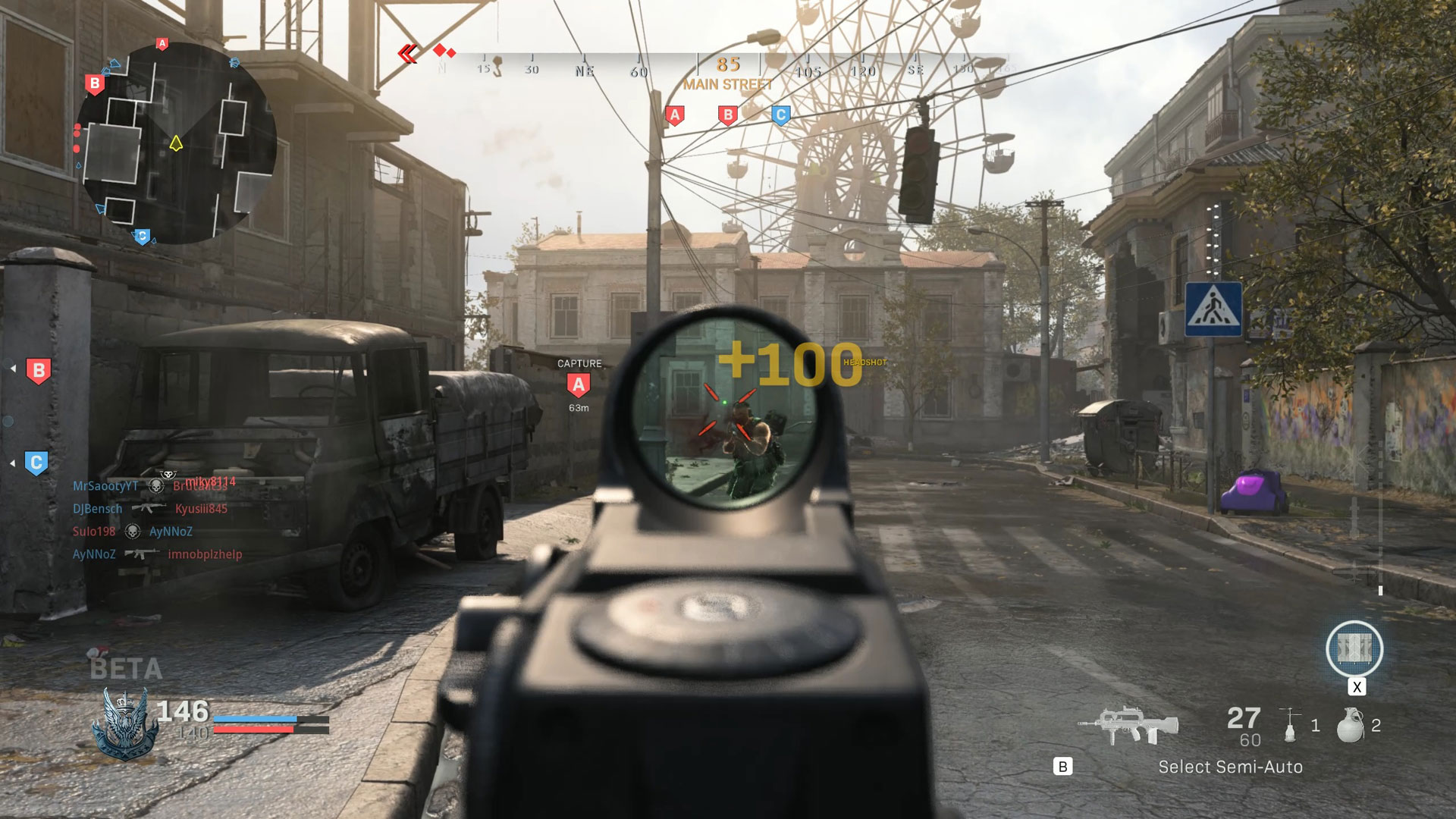
Game shutdowns often spark debates about digital preservation.
Multiplayer-only titles risk disappearing entirely once servers close.
While publishers prioritize operational efficiency, preservation advocates argue for offline modes or archival initiatives to protect gaming history.
However, commercial incentives for maintaining legacy infrastructure remain limited.
A routine but symbolic moment
The closure of a Call of Duty title may feel significant to dedicated players, but within the industry, it represents routine lifecycle management.
As franchises expand across consoles, PC, and mobile ecosystems, publishers increasingly curate which titles remain active.
The franchise itself continues forward.
For players, the sunset marks the end of one chapter — but not the broader Call of Duty narrative.