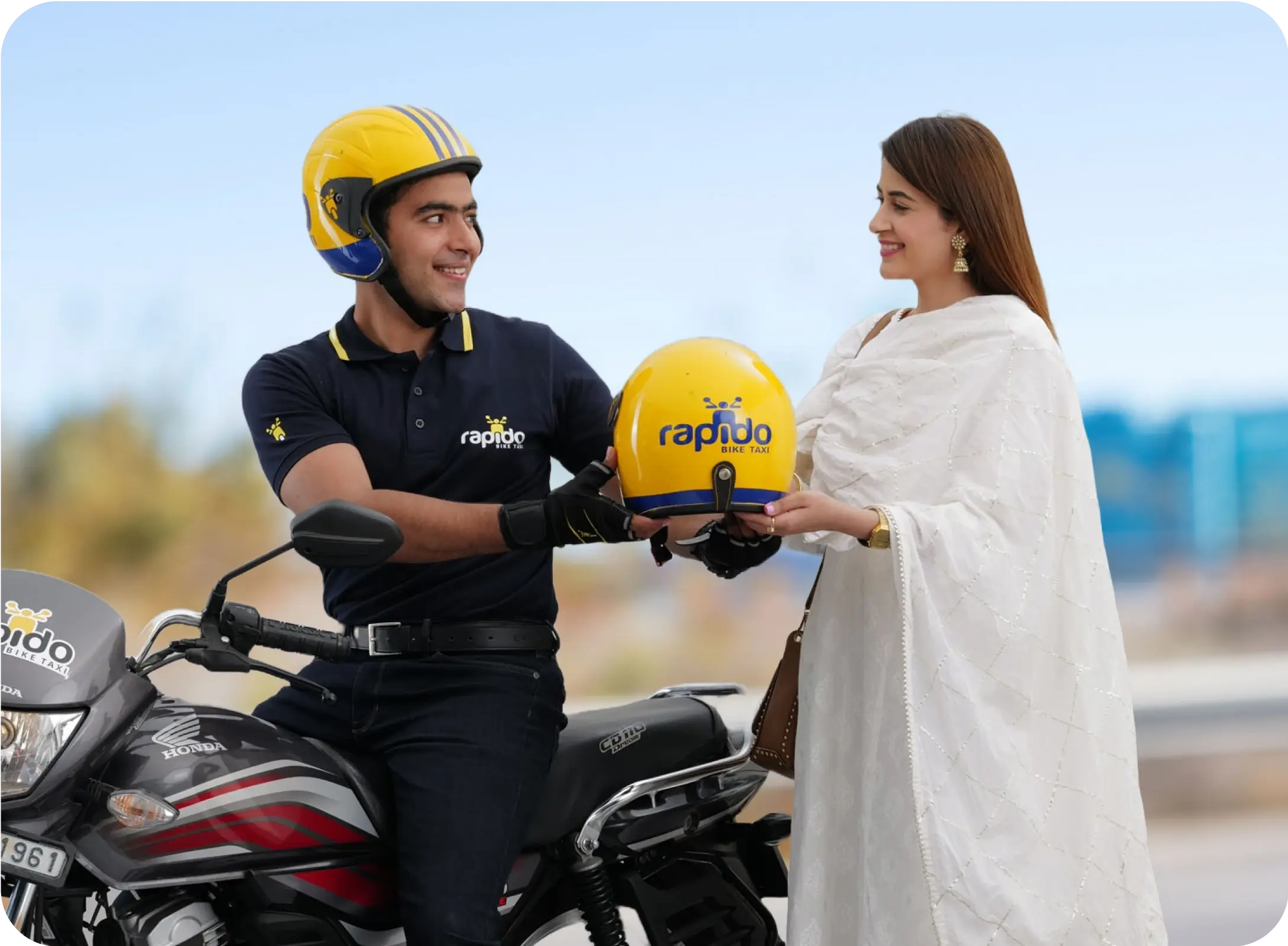
Rapido has introduced a new brand identity aimed at reinforcing its positioning in India’s evolving urban mobility market. The rebrand reflects broader strategic ambitions beyond bike taxis.
India’s mobility sector is entering a new branding cycle.
Rapido has unveiled a refreshed brand identity designed to align with its broader vision of shaping India’s urban transportation future. The update comes at a time when ride-hailing platforms are expanding beyond single-mode services toward integrated mobility ecosystems.
Branding, once secondary to network expansion, is now central to competitive positioning.
From bike taxis to mobility platform
Rapido initially built its reputation around bike taxi services, targeting cost-sensitive commuters in congested urban environments.
However, the mobility landscape is evolving.
Urban users increasingly expect:
- Multi-modal transport options
- Transparent pricing
- Safety assurance
- App-based convenience
A refreshed brand identity signals ambition to move beyond niche perception toward mainstream mobility infrastructure.
Competitive intensity in Indian mobility
India’s ride-hailing and shared mobility sector remains fiercely competitive.
Operators compete across pricing, driver incentives, fleet expansion, and regulatory compliance.
Brand identity influences:
- Consumer trust
- Driver acquisition
- Investor perception
As cities debate regulations around bike taxis and aggregators, strong branding can support policy engagement and public legitimacy.
Strategic communication shift
Rebranding often accompanies strategic pivots.
Visual identity, messaging tone, and design language can reposition a company from startup disruptor to established infrastructure player.
For Rapido, the refreshed identity likely aims to:
- Signal scale and maturity
- Reinforce safety and reliability
- Attract urban middle-class users
- Support expansion into adjacent services
Branding in mobility is no longer cosmetic — it reflects ecosystem integration.
Investor and ecosystem implications

India’s mobility startups have experienced funding cycles shaped by regulatory clarity and profitability pressures.
A clearer brand narrative can strengthen investor confidence, particularly as companies seek sustainable growth rather than aggressive expansion.
Integrated mobility platforms — combining bikes, autos, and potentially other transport formats — require coherent user perception.
Urban transformation backdrop
India’s cities are undergoing rapid urbanization, intensifying demand for efficient transport.
Congestion, pollution, and public transit gaps create opportunities for private mobility platforms.
Rapido’s rebrand aligns with a broader narrative: positioning itself not merely as a ride provider, but as part of India’s urban infrastructure evolution.
Brand as competitive lever
In crowded markets, functional differentiation narrows over time.
App interfaces converge. Pricing strategies mirror competitors. Service reliability becomes baseline expectation.
Brand identity then becomes a primary differentiator.
Rapido’s refresh suggests recognition that long-term growth depends as much on perception and trust as on fleet size.
As India’s mobility ecosystem matures, the battle will extend beyond routes and fares — into narrative, trust, and urban relevance.
Rapido is signaling it intends to compete on all three fronts.