SpaceX is expected to compete in a Pentagon initiative focused on autonomous drone systems. The move would expand SpaceX’s defense footprint beyond launch services and satellite communications.
SpaceX’s defense ambitions may be widening.
The aerospace company is set to compete in a Pentagon contest centered on autonomous drone technologies, according to reporting. If confirmed, the move would mark a strategic expansion beyond its established roles in satellite launches and space-based communications.
The competition highlights the U.S. Department of Defense’s growing focus on AI-enabled autonomous systems — and signals that commercial space companies are positioning themselves deeper within defense procurement pipelines.
From rockets to autonomy
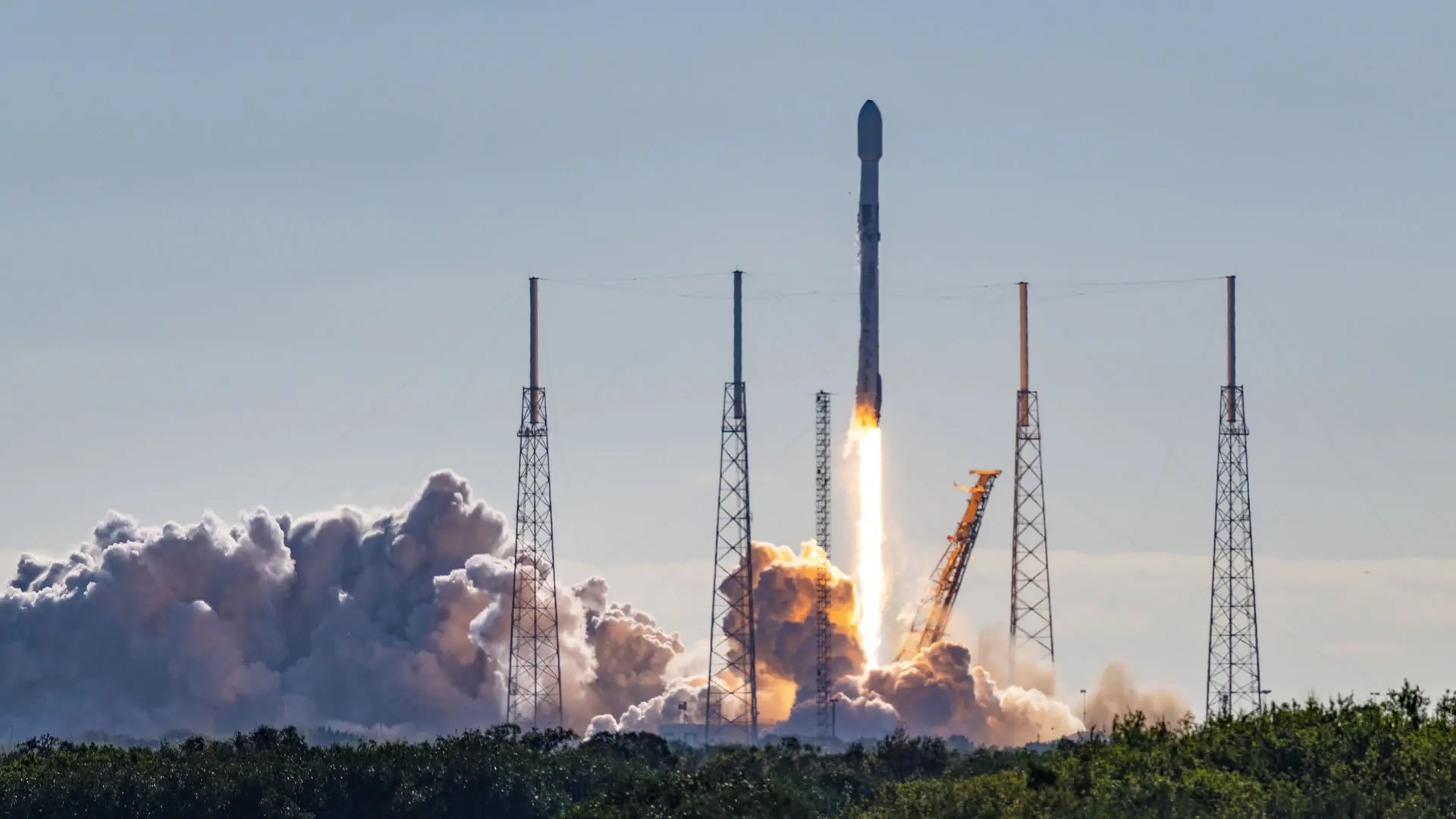
SpaceX has already become a significant contractor to the U.S. government through launch services and its Starlink satellite communications network.
Entering an autonomous drone contest would extend its reach into tactical hardware and AI-driven systems.
Autonomous drones are a priority area for the Pentagon as it seeks to:
- Enhance battlefield situational awareness
- Reduce reliance on manned systems
- Increase operational speed and flexibility
- Counter near-peer adversary capabilities
AI-powered autonomy allows drones to navigate, identify targets, and coordinate without constant human control.
A shifting defense technology landscape
The defense sector is undergoing a structural shift.
Historically dominated by large prime contractors, procurement is increasingly opening to commercial technology firms.
Startups specializing in AI, robotics, and software-defined systems are competing for Pentagon contracts once reserved for traditional defense manufacturers.
SpaceX’s entry reflects that convergence.
The company’s engineering capabilities, rapid iteration culture, and manufacturing scale could position it competitively in autonomy-driven contests.
Strategic implications for SpaceX
Participation in autonomous drone programs would diversify SpaceX’s revenue streams.
Defense contracts often provide:
- Multi-year funding stability
- High-margin development agreements
- Long-term operational partnerships
However, deeper integration into military programs also invites regulatory and geopolitical scrutiny.
SpaceX’s dual-use technologies — particularly satellite communications — have already drawn global attention in conflict contexts.
Expanding into autonomous drone development would further intertwine the company with defense policy considerations.
Pentagon priorities in autonomy
The U.S. Department of Defense has increasingly emphasized autonomy as a force multiplier.
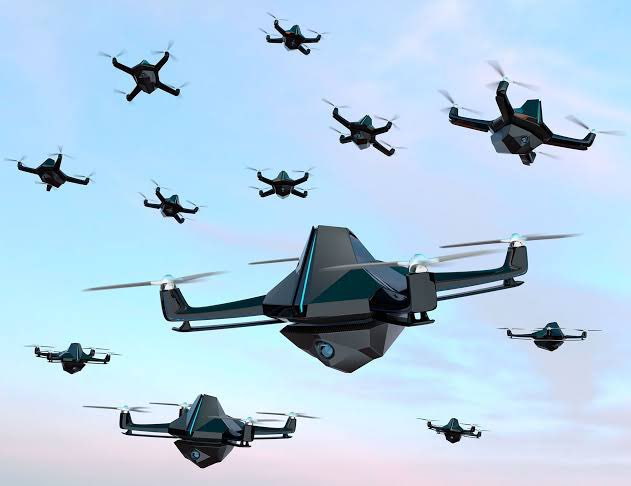
Programs focused on distributed unmanned systems aim to deploy networks of lower-cost drones rather than relying solely on large, expensive platforms.
Autonomy powered by AI reduces latency in decision-making and can operate in communications-contested environments.
For companies competing in such contests, technical criteria often include:
- Navigation resilience
- Swarm coordination capability
- Secure communications
- Edge AI processing efficiency
Whether SpaceX’s expertise in propulsion and space systems translates seamlessly into drone autonomy remains to be seen.
Competitive pressure across the sector
SpaceX would likely compete against established defense contractors and specialized drone startups.
The Pentagon’s growing openness to commercial entrants has intensified competition, particularly in software-defined defense systems.
If successful, SpaceX could position itself as a vertically integrated defense technology provider — spanning space launch, satellite connectivity, and autonomous aerial systems.
That breadth would be unusual even among major aerospace firms.
Broader policy context
Autonomous weapons and drone technologies remain politically sensitive.
Debates around AI-driven military systems involve ethical considerations, international law, and strategic stability.
While the Pentagon frames autonomy as enhancing operational effectiveness, critics caution against reduced human oversight.
Any contract award in this domain is therefore likely to draw attention beyond technical performance metrics.
For now, SpaceX’s reported participation underscores a wider transformation.
Defense innovation is no longer confined to traditional contractors.
Commercial technology firms are increasingly shaping the next generation of military capabilities — and autonomy sits at the center of that shift.
Whether SpaceX secures a role in this specific contest remains uncertain. But its presence alone reflects how blurred the line between commercial space and defense technology has become.