
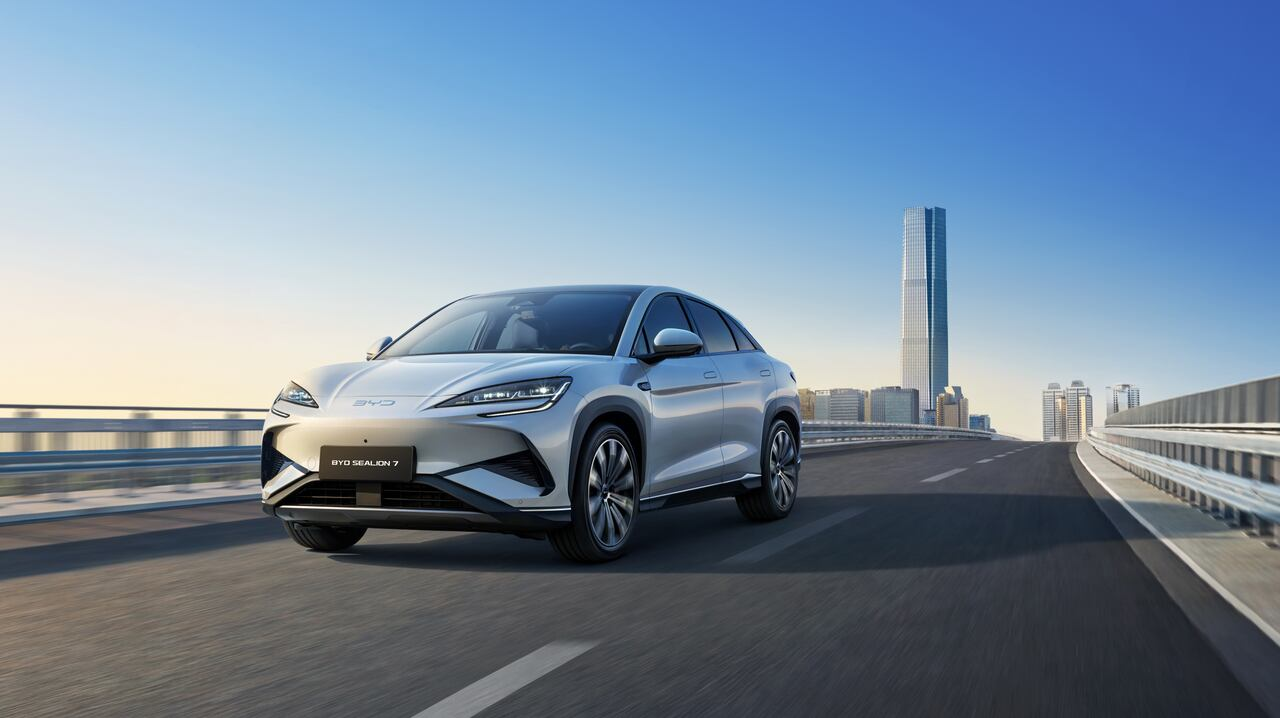
Chinese electric vehicles now represent roughly one-third of new EV registrations in South Korea, reflecting growing competitiveness of Chinese automakers in regional export markets.
Chinese automakers are gaining ground in one of Asia’s most competitive electric vehicle markets.
Chinese electric vehicles (EVs) now account for approximately one-third of new EV registrations in South Korea, marking a notable shift in regional automotive dynamics. The surge highlights how cost-competitive Chinese manufacturers are expanding beyond domestic dominance into advanced export markets.
For South Korea — home to major automotive brands and battery leaders — the trend signals intensifying competition.
Price competitiveness reshapes the market
Chinese EV manufacturers have leveraged scale, supply chain integration, and battery cost advantages to offer competitively priced models.
Key factors include:
- Lower battery production costs
- Vertical integration across components
- Rapid product iteration cycles
- Aggressive export strategies
In markets sensitive to upfront pricing, these factors can significantly influence buyer decisions.
Pressure on domestic manufacturers
South Korea’s automotive ecosystem includes global brands such as Hyundai Motor Company and its affiliate Kia, both of which have invested heavily in EV development.
However, Chinese entrants are positioning themselves in mid-range segments that compete directly on value.
Increased import penetration could pressure domestic manufacturers to:
- Adjust pricing strategies
- Accelerate innovation cycles
- Enhance feature differentiation
Competition may extend beyond vehicles into battery and charging infrastructure segments.
Regional trade implications
The rise of Chinese EV registrations in South Korea reflects broader shifts in Asian automotive trade flows.
Historically, Japanese and Korean brands dominated regional exports.
China’s emergence as the world’s largest EV producer has altered that balance.
Trade policy, tariffs, and safety standards will influence how sustained this growth becomes.
Consumer behavior evolution
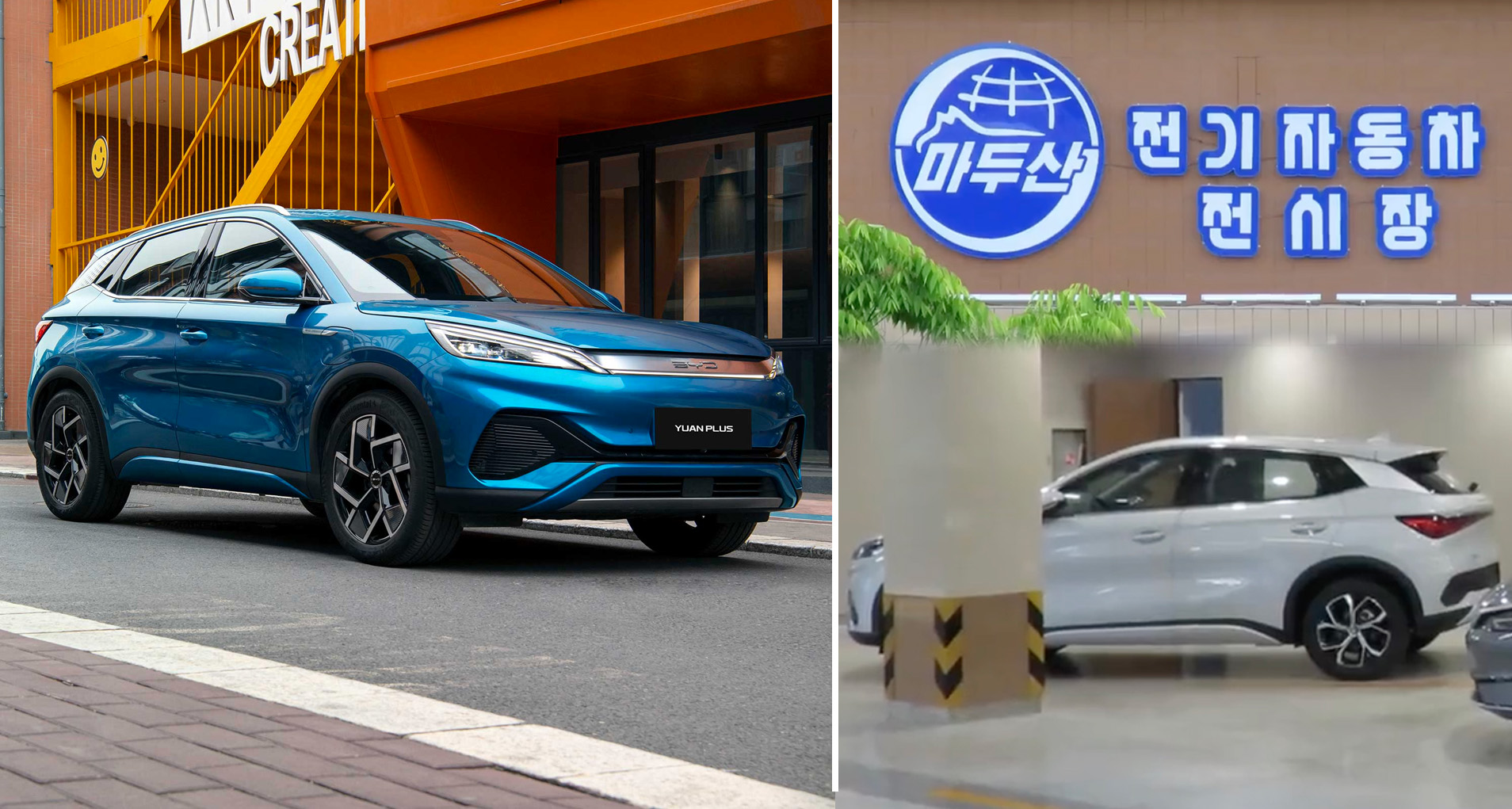
South Korean consumers have shown increasing openness to foreign EV brands, particularly where:
- Price-to-feature ratios are attractive
- Charging compatibility is seamless
- After-sales service networks expand
Brand loyalty remains significant, but EV adoption patterns suggest buyers prioritize performance and affordability.
Battery ecosystem dynamics
South Korea is home to leading battery manufacturers supplying global automakers.
Chinese EV expansion introduces competitive complexity, especially as Chinese firms also maintain strong domestic battery production capabilities.
Battery cost leadership remains a decisive factor in EV pricing.
Broader industry context
Globally, Chinese automakers are targeting Europe, Southeast Asia, and Latin America.
Gaining one-third of new registrations in a technologically advanced market like South Korea demonstrates export competitiveness.
Such traction strengthens China’s positioning as a major EV exporter rather than solely a domestic volume leader.
Strategic inflection point
For policymakers in South Korea, the data may prompt reassessment of industrial strategy.
Balancing consumer access to affordable EVs with support for domestic manufacturing capacity is a familiar policy tension.
For automakers, the message is clear: regional markets can no longer be assumed secure.
Chinese EV manufacturers are scaling beyond borders.
And in South Korea, they now command a meaningful share of new electric vehicle registrations.
The shift underscores how quickly competitive dynamics in the global EV industry are evolving.
Price, scale, and supply chain integration are reshaping the automotive map of Asia.



