
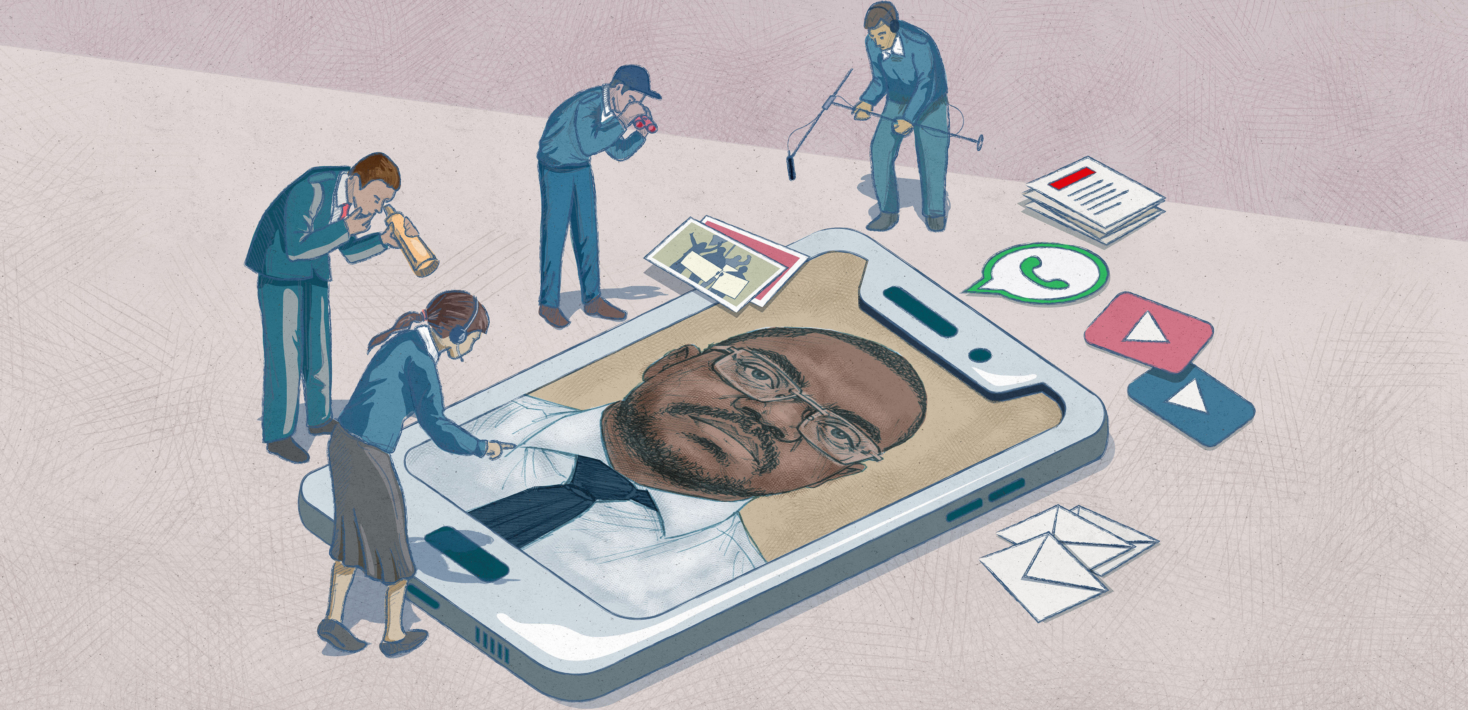
Security researchers report that Intellexa’s Predator spyware was used to compromise the iPhone of a journalist in Angola, highlighting ongoing concerns over commercial surveillance tools.
Commercial spyware remains a persistent threat to journalists and civil society.
Security researchers have found evidence that Predator, a surveillance tool developed by Intellexa, was used to hack the iPhone of a journalist in Angola. The findings underscore ongoing concerns about the proliferation of advanced spyware capable of bypassing mobile security safeguards.
The case adds to a growing body of research documenting the global use of commercial surveillance software against reporters and activists.
Predator’s surveillance capabilities
Predator is categorized as a high-end spyware tool capable of:
- Extracting messages and emails
- Accessing microphone and camera data
- Tracking location
- Harvesting stored credentials
Such tools often exploit zero-day vulnerabilities or social engineering techniques to infiltrate devices.
While marketed to governments for law enforcement and national security purposes, spyware products have repeatedly been linked to targeting journalists and political opponents.
Intellexa Mobile security arms race
Modern smartphones incorporate advanced security layers, including sandboxing and hardware encryption.
However, sophisticated spyware developers continuously search for vulnerabilities.
Researchers frequently identify:
- Zero-click exploits
- Malicious links
- Compromised network vectors
The Angola case illustrates how high-value targets remain exposed despite platform-level security upgrades.
Regulatory and geopolitical backdrop
Commercial spyware vendors have faced mounting international scrutiny.
Governments in Europe and North America have introduced export restrictions and sanctions against companies linked to surveillance abuses.
Yet the market for digital interception tools persists globally.
The Angola incident may intensify calls for tighter oversight of spyware exports and procurement transparency.
Press freedom implications

Journalists operate under heightened digital risk, particularly in politically sensitive environments.
Compromised communications can endanger sources and undermine investigative reporting.
Civil society groups argue that spyware deployment against reporters represents a direct threat to press freedom.
Technology platform response
Device manufacturers, including Apple, have introduced security notifications to alert users of suspected state-sponsored attacks.
The effectiveness of these alerts depends on timely vulnerability patching and user awareness.
Structural risk
The spyware ecosystem illustrates a broader structural tension:
Advanced surveillance tools developed for legitimate security objectives can be repurposed for abuse.
The Angola case reinforces that mobile security is not solely a consumer privacy issue — it is a geopolitical and human rights concern.
As long as commercial spyware remains profitable, researchers and regulators will remain in a reactive posture.
For journalists, the risk landscape continues to evolve.



