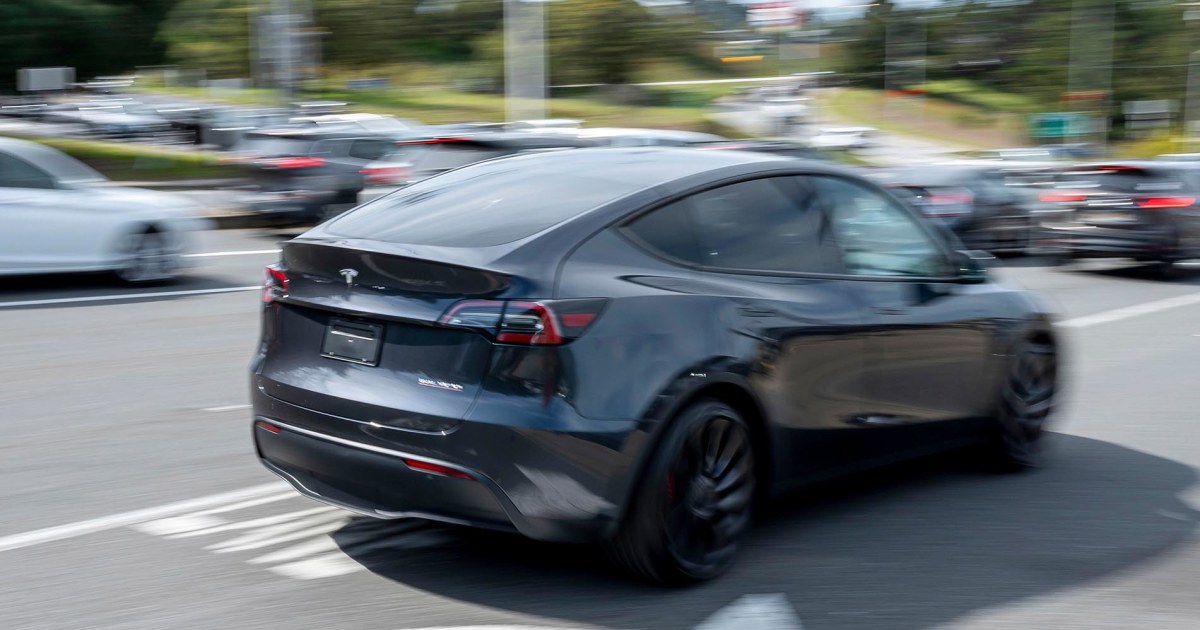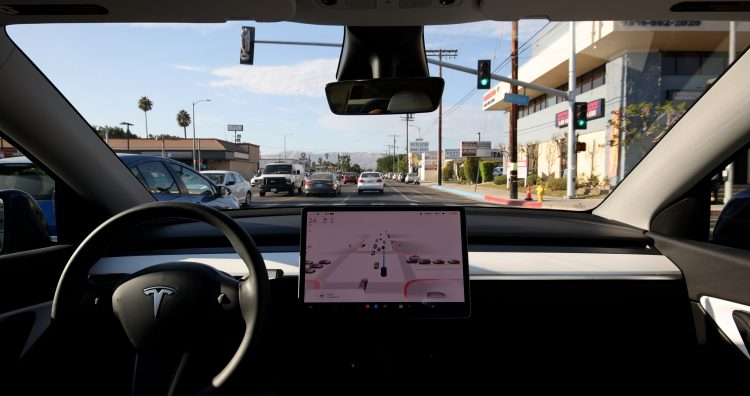
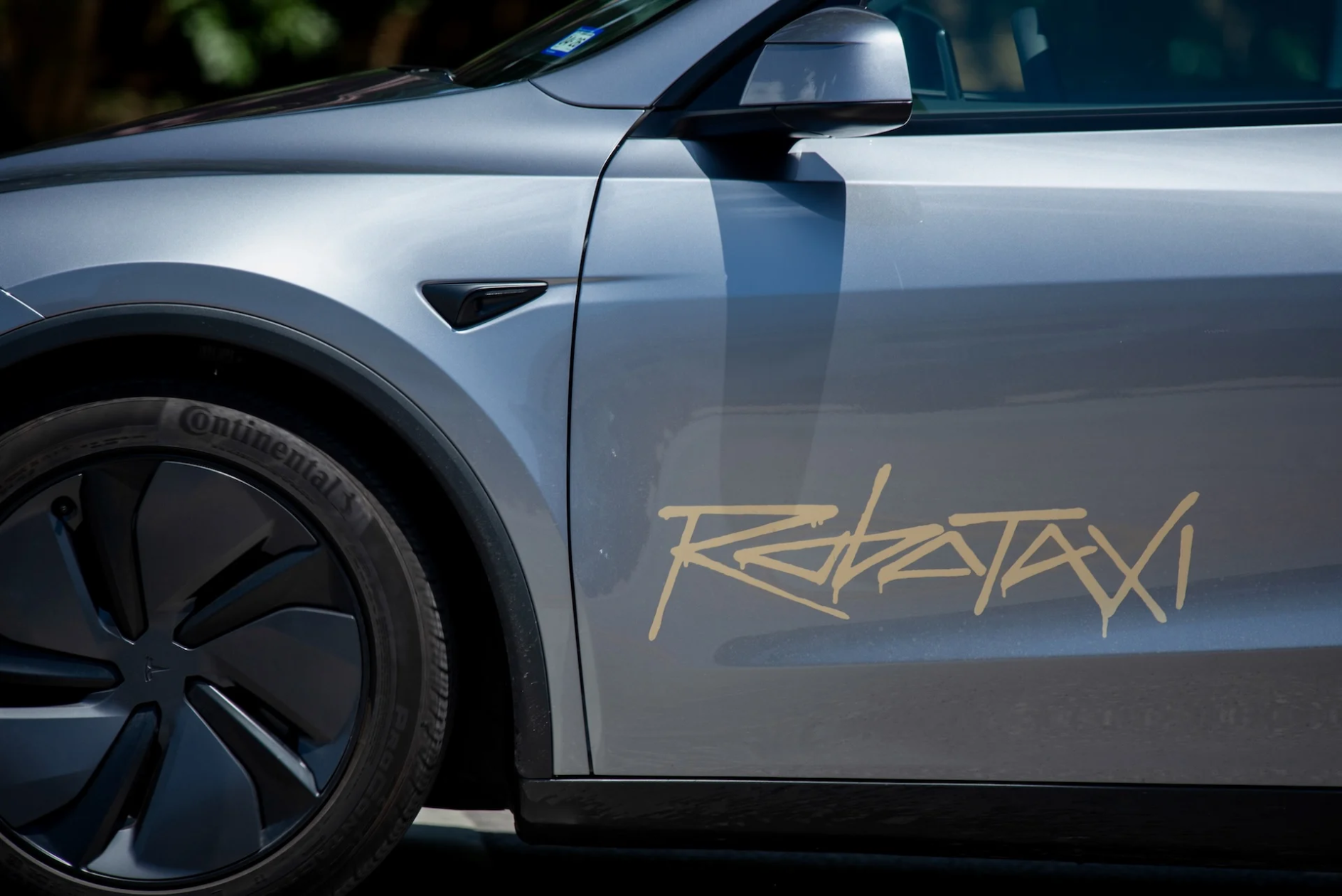
Tesla robotaxis have reportedly been involved in 14 crashes in Austin, Texas, prompting renewed scrutiny over autonomous vehicle safety and oversight.
Tesla’s autonomous ambitions are facing renewed questions.
Reports indicate that Tesla robotaxis operating in Austin have been involved in 14 crashes, drawing attention from regulators and safety advocates. While details about fault and severity remain under review, the incidents add to ongoing debates about the readiness of fully autonomous ride-hailing services.
Austin has emerged as a key testing ground for self-driving deployments, making the data particularly consequential.
Context: pilot programs under scrutiny
Autonomous vehicle pilots typically operate under regulatory oversight frameworks that track:
- Collision frequency
- Human intervention rates
- Software updates
- Environmental conditions
Fourteen reported crashes do not automatically indicate systemic failure. However, frequency and severity metrics will influence public perception and regulatory response.
In dense urban environments, even minor incidents can shape policy discourse.
Safety metrics versus expectations
Autonomous vehicle developers often argue that self-driving systems outperform human drivers statistically.
However, public tolerance for machine error is lower than for human mistakes.
Each incident prompts scrutiny around:
- Sensor reliability
- Edge-case scenario handling
- Software update protocols
- Remote monitoring processes
Transparency in reporting becomes critical for maintaining trust.
Regulatory implications
Texas has generally maintained a relatively permissive regulatory environment for autonomous testing.
Still, repeated incidents may trigger:
- Data disclosure requirements
- Operational restrictions
- Expanded oversight mechanisms
At the federal level, autonomous safety standards remain a patchwork of guidelines rather than unified mandates.
Competitive landscape
Tesla operates in a competitive autonomous mobility market that includes traditional automakers and technology-driven AV firms.
Incidents in Austin may influence competitive narratives, particularly as companies compete for municipal approvals and consumer confidence.
Autonomous ride-hailing economics depend heavily on scale and reliability.
Repeated incidents could delay expansion timelines.
Technology maturation curve
Autonomous systems evolve iteratively.
Software updates often address vulnerabilities identified during pilot deployments.
However, scaling from controlled environments to open urban systems increases complexity.
The Austin crashes underscore the gap between engineering confidence and real-world unpredictability.
Public trust at stake
Autonomous vehicle adoption depends on consumer confidence.
Media coverage of crashes can shape perception regardless of statistical context.
Tesla’s response — including data transparency and corrective measures — will likely influence whether scrutiny intensifies or stabilizes.
Autonomy remains a long-term technological bet.
But as robotaxis transition from test fleets to public roads, accountability becomes as important as innovation.