Unitree Robotics plans to ship 20,000 humanoid robots in 2026, marking an ambitious scale-up in embodied AI manufacturing.
China’s robotics industry is accelerating toward industrial-scale humanoid production.
Unitree Robotics has announced plans to ship 20,000 humanoid robots in 2026, an ambitious target that would mark one of the largest commercial deployments of embodied AI systems to date.
The announcement highlights growing investor and industrial confidence in humanoid robotics beyond research labs.
From prototypes to production
Humanoid robots have historically been confined to demonstrations and limited enterprise pilots.
Scaling to 20,000 units implies progress in:
- Component cost reduction
- Battery efficiency
- Motion control systems
- AI perception capabilities
Mass production suggests that use cases are expanding beyond experimental environments.
Commercial deployment scenarios
Potential applications include:
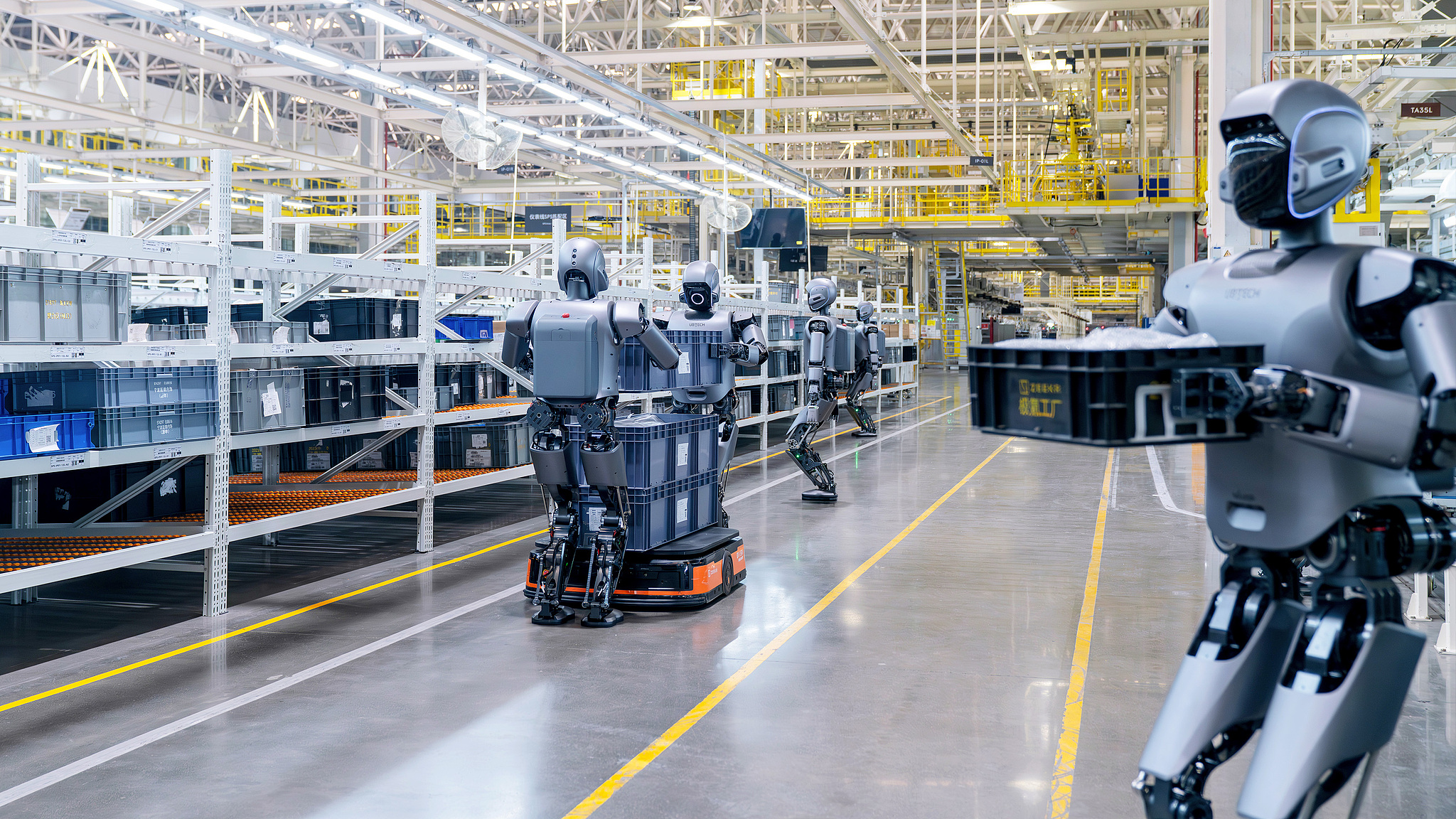
- Warehouse logistics
- Industrial inspection
- Hospitality services
- Research and education
While humanoid form factors remain debated, they offer flexibility in environments designed for human workers.
Unitree’s production goal indicates belief that demand exists at meaningful volume.
Competitive robotics landscape

China has invested heavily in robotics and automation as part of broader industrial upgrading strategies.
Domestic firms compete with global robotics leaders in humanoid and quadruped systems.
Achieving a 20,000-unit shipment target would strengthen China’s position in embodied AI manufacturing.
Economic feasibility
The viability of large-scale humanoid deployment depends on:
- Unit pricing
- Maintenance costs
- Software update ecosystems
- Return on investment for enterprise buyers
Hardware affordability will determine adoption velocity.
AI hardware convergence
Humanoid robots combine:
- Advanced mechanical engineering
- AI-driven perception systems
- On-device compute
- Cloud connectivity
This convergence makes robotics both a hardware and software scaling challenge.
Unitree’s production target reflects confidence in supply chain stability and component availability.
A signal of industrial ambition
Humanoid robotics has long been a symbolic frontier of AI.
Moving from limited pilot projects to tens of thousands of units marks a transition toward commercialization.
Whether the 20,000-unit goal materializes will depend on production efficiency and customer demand.
But the ambition alone signals that embodied AI is entering a more serious industrial phase.
The next chapter of AI may not reside solely in data centers — but on factory floors and warehouse aisles.
Unitree’s 2026 target positions China at the forefront of that shift.