
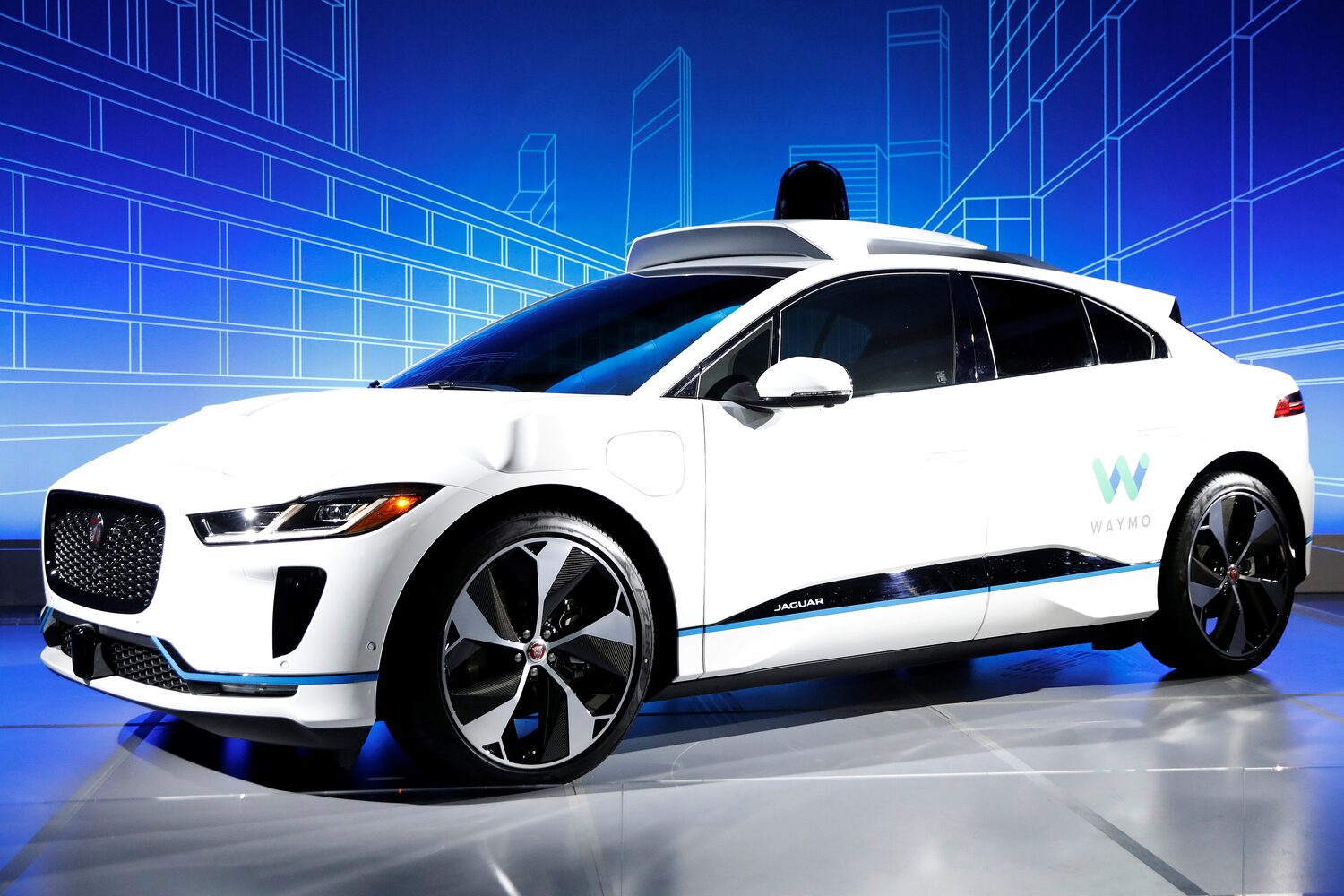
Waymo has clarified that remote human assistants provide guidance — not direct control — to its self-driving vehicles, following questions raised by U.S. lawmakers.
Autonomous driving systems are designed to function without human drivers.
But they are not entirely without human involvement.
Waymo has clarified the role of remote assistance in its autonomous vehicle operations after U.S. lawmakers raised concerns about the extent of human oversight. The company emphasized that remote staff provide guidance and contextual support rather than real-time vehicle control.
The clarification comes as regulatory scrutiny around self-driving technology intensifies.
What remote assistance means
In autonomous systems, remote assistance typically involves:
- Providing high-level situational advice
- Confirming route decisions
- Assisting in unusual traffic scenarios
- Reviewing flagged edge cases
Waymo stated that remote personnel do not directly steer or brake vehicles.
Instead, vehicles remain in control, with human teams offering guidance when algorithms encounter ambiguity.
Transparency in autonomous operations
Lawmakers have increasingly demanded clarity around the operational mechanics of self-driving fleets.
Key concerns include:
- Safety oversight
- Accountability frameworks
- Emergency intervention protocols
- Public transparency
Clarifying the scope of human involvement helps address perceptions that “fully autonomous” may mask hidden manual intervention.
Regulatory landscape
Autonomous vehicle regulation in the United States varies by state.
Federal guidelines emphasize safety data reporting and operational transparency.
As self-driving services expand into urban environments, oversight expectations are rising.
Remote assistance models must balance scalability with regulatory compliance.
Public trust and perception
Trust remains central to autonomous vehicle adoption.
If consumers believe remote operators are constantly intervening, confidence in AI autonomy may weaken.
Conversely, acknowledging structured human oversight may reassure passengers concerned about algorithmic errors.
Communication strategy matters as much as technical design.
Competitive implications
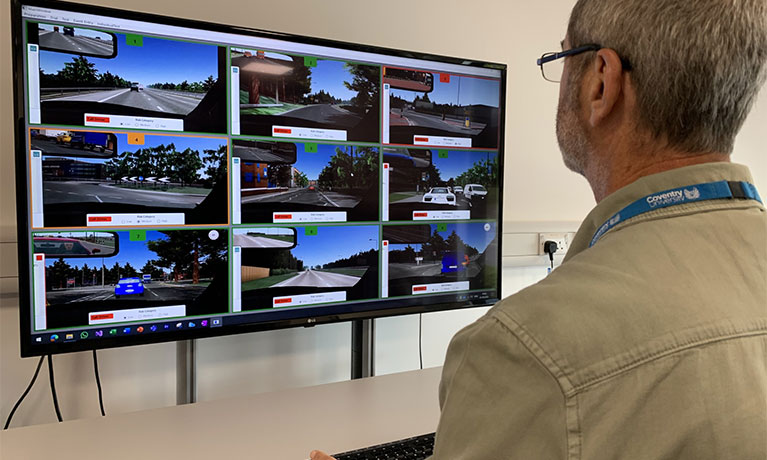
Other autonomous vehicle companies also employ remote assistance frameworks.
Clarifying operational models may set industry standards.
Companies able to demonstrate:
- Low remote intervention frequency
- Transparent safety metrics
- Clear accountability structures
will likely gain regulatory and public trust advantages.
The path to scalable autonomy
Full autonomy at scale remains complex.
Edge cases — unusual traffic patterns, construction zones, unpredictable pedestrians — challenge AI systems.
Remote assistance acts as a bridge between current AI capability and long-term self-sufficiency.
Waymo’s clarification underscores a broader reality: autonomy today is not absolute independence.
It is layered automation supported by structured human oversight.
As lawmakers evaluate the future of self-driving vehicles, transparency about these layers will shape policy direction.
Autonomy is advancing.
But the human backstop, for now, remains part of the system.



