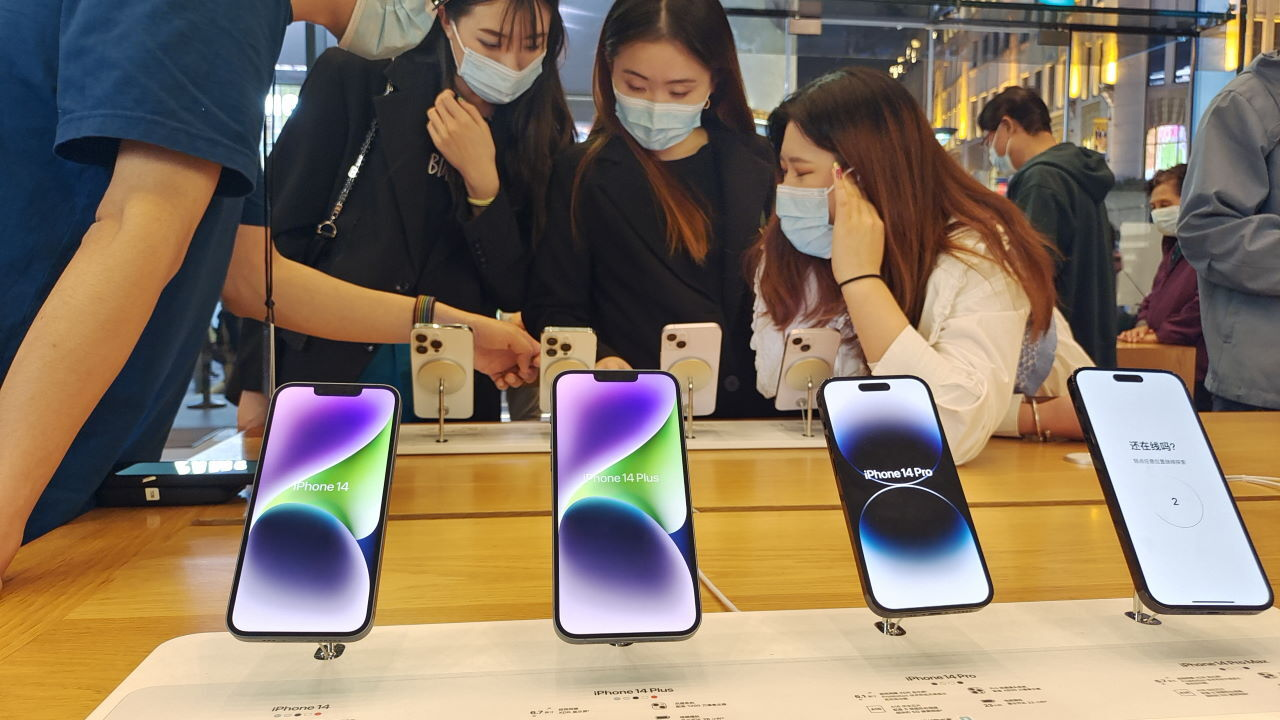
Apple is reportedly evaluating whether to incorporate memory chips produced by Chinese suppliers into future iPhone models. The move, if implemented, would represent a notable development in Apple’s sourcing approach amid ongoing geopolitical and trade tensions affecting semiconductor supply chains.
Memory components are central to smartphone performance and storage capacity.
Supply chain diversification under scrutiny
Apple has historically sourced memory from established global manufacturers.
Considering Chinese suppliers may reflect:
- Cost optimization efforts
- Regional manufacturing alignment
- Risk diversification
- Capacity expansion needs
Smartphone production requires stable, high-volume component availability.
Supply chain diversification has become a strategic priority across the tech industry.
Geopolitical considerations
Semiconductor sourcing has become entangled with trade policy and national security concerns.
Any shift toward Chinese memory components could attract regulatory attention in:
- The United States
- Europe
- Strategic partner markets
Global chip supply chains remain sensitive to export controls and compliance frameworks.
The company would need to ensure adherence to applicable trade regulations.
Competitive memory landscape

Memory chip manufacturing is capital-intensive and technologically demanding.
Suppliers compete on:
- Yield efficiency
- Power consumption performance
- Data transfer speed
- Reliability metrics
For Apple, maintaining performance benchmarks while optimizing cost structures is critical.
iPhone production scale
The iPhone remains one of the world’s highest-volume consumer electronics products.
Component decisions influence:
- Margins
- Production timelines
- Global availability
Even minor supply chain adjustments can have outsized impact at Apple’s scale.
Strategic balancing act
Apple has sought to diversify manufacturing beyond China in recent years.
At the same time, Chinese suppliers remain deeply integrated into electronics production ecosystems.
Balancing geopolitical risk with operational efficiency presents complex trade-offs.
Long-term implications
If Apple proceeds with Chinese memory integration, it could:
- Signal confidence in supplier quality
- Increase competition among global memory manufacturers
- Influence broader semiconductor trade flows
However, final decisions may depend on regulatory clarity and supply assurance.
In modern electronics manufacturing, component sourcing is both operational and strategic.
Apple’s evaluation underscores how supply chain architecture now sits at the intersection of cost, compliance, and geopolitics.