
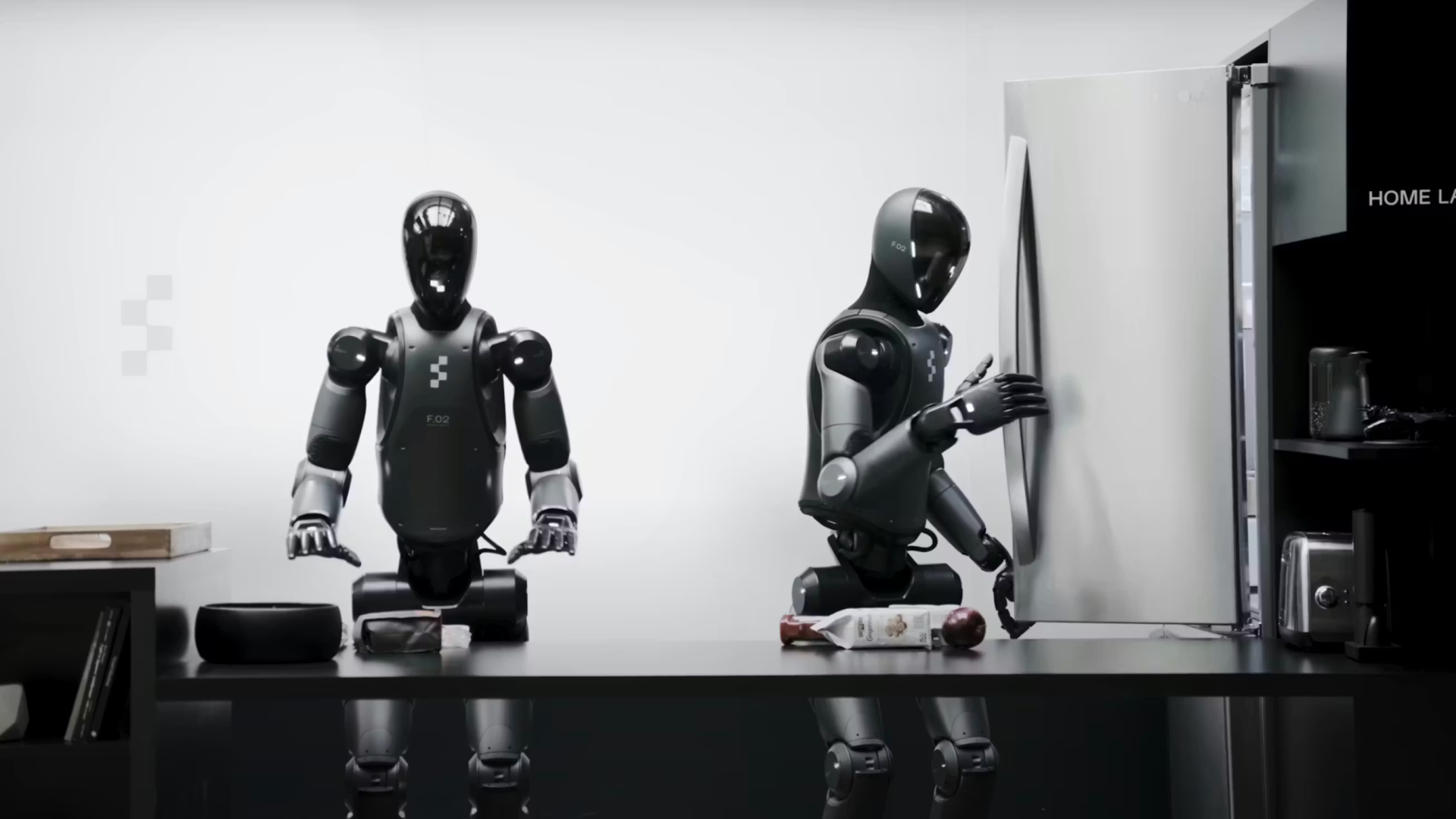
The CEO of Intrinsic, Alphabet’s robotics-focused subsidiary, has argued that AI-powered robots could fundamentally transform factory floors by making automation more flexible and easier to deploy. Unlike traditional industrial robots programmed for repetitive, fixed tasks, AI-enabled systems can adapt to variability in real time.
The distinction could redefine industrial economics.
From fixed automation to adaptive intelligence
Traditional manufacturing robots excel in high-volume, repetitive environments.
However, they often struggle with:
- Changing product designs
- Small batch production
- Complex manual tasks
- Dynamic environmental conditions
AI-enhanced robots integrate machine learning models to interpret sensor data and adjust actions accordingly.
This adaptability may reduce the need for rigid production lines.
Alphabet’s robotics ambitions
Intrinsic operates under Alphabet and focuses on simplifying robot programming through AI-based software layers.
Intrinsic aims to:
- Lower barriers to robotic deployment
- Enable smaller manufacturers to adopt automation
- Reduce integration time and cost
Software-driven flexibility could expand robotics adoption beyond large industrial conglomerates.
Economic implications
AI-powered robotics could address several structural pressures:
- Labor shortages
- Rising wage costs
- Supply chain resilience concerns
- Demand for localized manufacturing
Flexible automation allows factories to pivot production without major retooling.
This capability has become more relevant amid global supply chain disruptions.
Competitive landscape
Industrial automation includes established robotics manufacturers and emerging AI-native startups.
Key areas of competition include:
- Ease of deployment
- Safety certifications
- Cloud integration
- Maintenance efficiency
AI integration may differentiate next-generation robotics platforms from legacy hardware-centric models.
Workforce considerations
The adoption of adaptive robotics raises workforce transformation questions.
Rather than eliminating jobs outright, AI robots may shift roles toward:
- Supervision
- Programming oversight
- System optimization
Upskilling will likely become a parallel requirement for manufacturers.
Infrastructure and compute
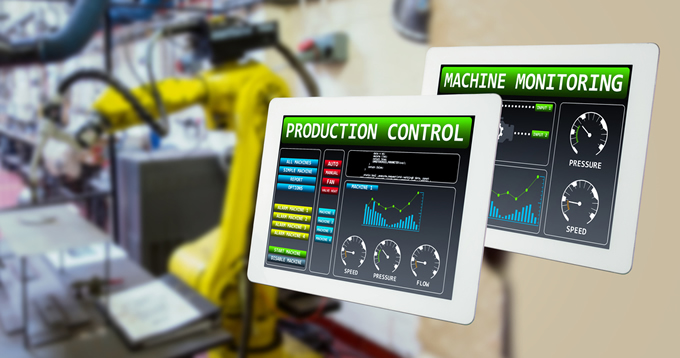
AI robotics systems depend on:
- Edge computing
- Sensor-rich hardware
- High-speed connectivity
Cloud-connected robotics may allow centralized updates and model improvements.
Strategic outlook
Manufacturing remains a foundational sector for economic growth.
If AI simplifies automation deployment, smaller enterprises may accelerate digital transformation.
Intrinsic’s vision reflects a broader belief that software intelligence can unlock new manufacturing paradigms.
Automation is no longer solely about mechanical precision.
It increasingly depends on computational adaptability.
And in modern factories, intelligence may become as critical as steel.



