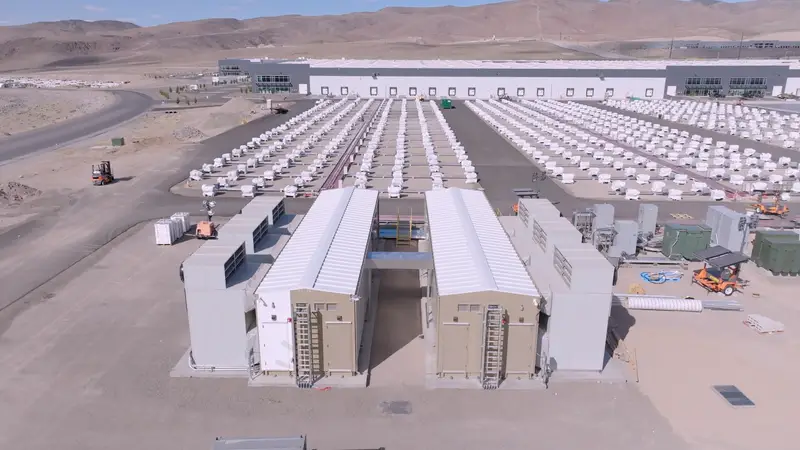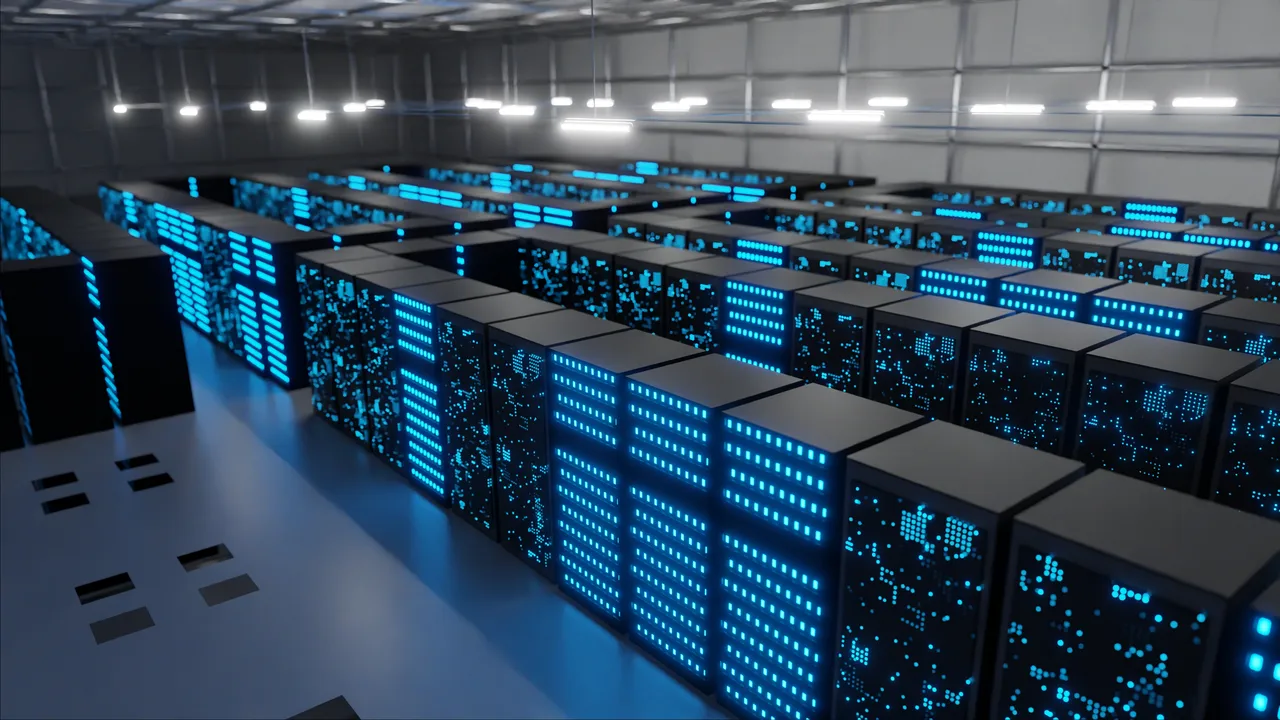
Soaring electricity demand from AI-driven data centers is fueling growth in energy storage projects tied to companies like Redwood Materials. As hyperscale facilities expand, grid operators and infrastructure providers are seeking battery systems to manage load volatility and ensure reliability.
The development highlights how AI’s physical footprint is creating new opportunities across climate tech and energy infrastructure.
AI’s Growing Energy Appetite
Training and running large AI models requires clusters of GPUs operating continuously.
Data centers that support generative AI, enterprise analytics, and cloud services can consume as much electricity as small towns.
Utilities across several U.S. states have cited AI-driven demand growth as a factor in rising load forecasts.
Energy storage systems help mitigate peak load spikes and integrate renewable energy sources more effectively.
Why Storage Matters
Grid-scale battery storage allows operators to:
- Store excess electricity during low-demand periods
- Release power during peak usage
- Stabilize frequency fluctuations
- Reduce strain on transmission networks
For AI data centers operating with high uptime requirements, stability is essential.
Battery systems can complement both renewable energy and natural gas generation, creating hybrid infrastructure models.
Redwood’s Strategic Positioning
Redwood Materials, originally known for battery recycling and materials recovery, has expanded into energy storage systems.
Leveraging expertise in battery materials and supply chains, the company can position itself as a supplier for large-scale storage projects tied to data center campuses.
As AI infrastructure expands geographically, proximity to reliable storage solutions becomes a competitive factor.
Investors increasingly view energy storage not merely as a climate initiative but as a foundational enabler of digital infrastructure.
Infrastructure Convergence
The AI data center surge is driving convergence between:
- Semiconductor supply chains
- Cloud computing infrastructure
- Energy generation
- Battery storage systems
Technology companies are entering long-term power purchase agreements and exploring co-located energy projects to secure supply.
Storage providers stand to benefit from these arrangements.
Policy and Environmental Context
The rapid expansion of AI data centers has prompted debate over sustainability.
Governments balancing economic growth with emissions targets must consider how to accommodate digital infrastructure without overburdening grids.
Energy storage offers one pathway to reduce carbon intensity while supporting growth.
However, scaling battery production also introduces supply chain and environmental considerations.
A Structural Opportunity
The energy demands of AI are unlikely to diminish.
As model complexity increases and enterprise adoption widens, electricity consumption may continue rising.
For Redwood and similar companies, AI-driven grid pressure represents a structural growth catalyst.
The lesson is increasingly clear: the AI revolution is not only about algorithms — it is about electrons.