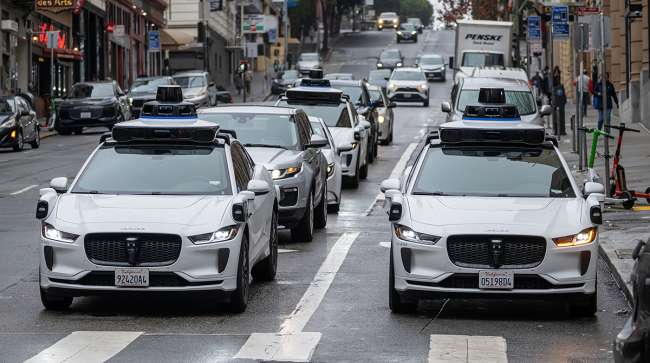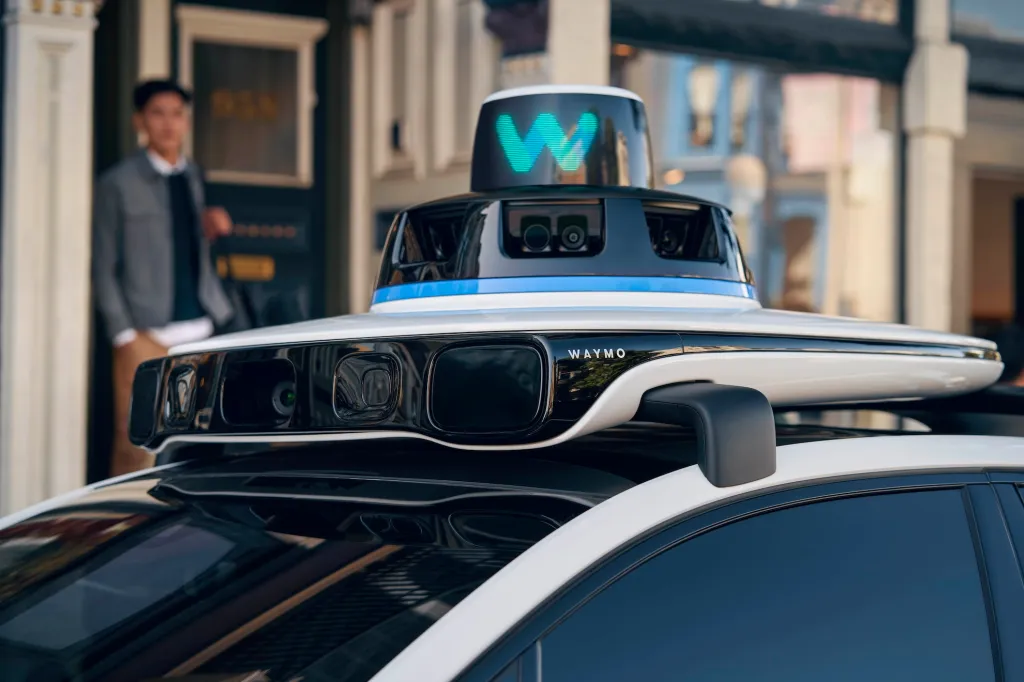
New York officials have moved to slow the expansion of robotaxi operations, signaling that large-scale rollout of self-driving vehicles in dense urban corridors will require more regulatory evaluation.
The development reflects broader national debates over how quickly cities should embrace autonomous mobility.
Urban Complexity Meets AV Ambition
New York presents unique challenges for autonomous systems:
- Dense pedestrian traffic
- Complex intersections
- Heavy delivery congestion
- Weather variability
While autonomous vehicle developers have tested extensively in select U.S. cities, scaling in New York introduces new variables.
Regulators appear to be weighing whether current safety validation standards sufficiently address these complexities.
Safety and Liability Questions
Robotaxi expansion often hinges on demonstrated safety performance relative to human drivers.
However, public perception, incident reporting, and liability frameworks remain unsettled.
City and state officials must consider:
- Accident accountability
- Insurance coverage models
- Emergency response integration
- Data transparency requirements
Pausing expansion allows regulators to reassess whether existing frameworks adequately protect public safety.
Labor and Economic Considerations
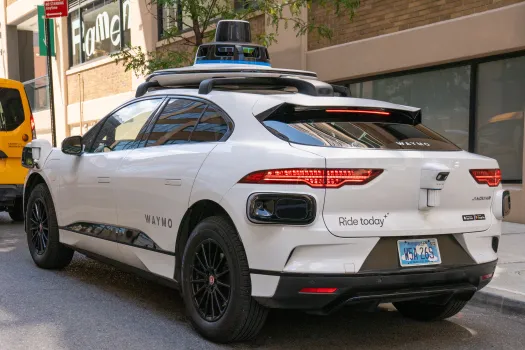
Autonomous vehicles intersect with labor concerns, particularly in cities where taxi and rideshare employment supports thousands of drivers.
New York has historically implemented caps and regulatory controls on rideshare platforms.
Expanding driverless fleets raises economic questions about job displacement and licensing frameworks.
Balancing innovation with workforce stability adds another layer to regulatory caution.
Industry Implications
Autonomous vehicle companies have viewed major metropolitan markets as long-term growth drivers.
A delay in New York may signal to other dense cities that regulatory pathways will remain deliberate rather than rapid.
For investors, expansion timelines directly influence revenue projections and valuation models.
The robotaxi business model depends on fleet scale and route density to achieve profitability.
A Measured Approach to Autonomy
New York’s pause does not signal abandonment of autonomous vehicle technology.
Instead, it reflects incrementalism — a pattern consistent with prior mobility shifts, from ridesharing to micromobility.
As testing continues and data accumulates, policymakers may revisit expansion approvals.
For now, the message is clear: urban autonomy will advance, but not without careful regulatory calibration.