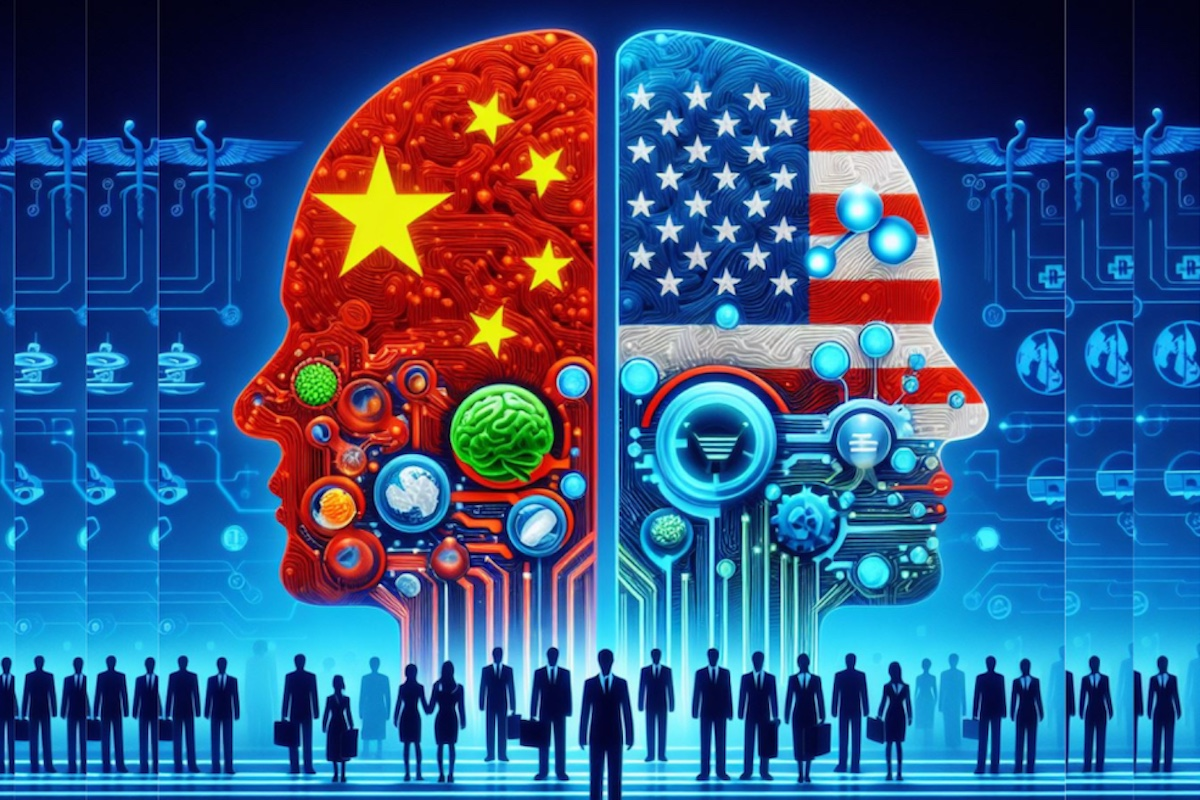
The United States is preparing to send Artificial Intelligence specialists to work with international partners, aiming to reinforce alliances and counter China’s expanding technological influence. The initiative reflects how Artificial Intelligence leadership is now intertwined with foreign policy and economic strategy.
As nations compete for dominance in advanced computing, the deployment of technical expertise is emerging as a new form of soft power.
Technology as Strategic Influence
AI capabilities increasingly shape economic competitiveness, military modernization, and digital governance.
China has invested heavily in domestic Artificial Intelligence research and infrastructure, while also expanding technology partnerships abroad.
By dispatching specialists overseas, the U.S. seeks to:
- Support allied governments in AI deployment
- Promote standards aligned with democratic governance
- Strengthen research collaboration
- Reduce reliance on rival technology ecosystems
Technical cooperation can deepen diplomatic relationships beyond traditional defense or trade channels.
Artificial Intelligence and Global Standards
AI governance standards are still evolving globally.
Countries adopting AI systems often look to established powers for guidance on:
- Data privacy frameworks
- Algorithmic transparency
- Security safeguards
- Infrastructure design
Embedding U.S. expertise abroad may influence regulatory and technical choices in partner nations.
Such engagement also expands networks of researchers and policymakers aligned with U.S. policy objectives.
Competition Beyond Hardware
While semiconductor supply chains receive significant attention, influence also flows through education, research, and advisory support.
Sending specialists abroad signals recognition that AI competition extends beyond chips and models into training and implementation ecosystems.
For emerging markets, access to expert guidance can accelerate adoption while shaping long-term technological alignment.
Implications for Global AI Governance
The initiative reflects broader fragmentation in global AI governance.
Rather than a single multilateral framework, AI development is increasingly shaped by regional blocs and strategic alliances.
The U.S. approach suggests emphasis on partnership-building rather than purely domestic investment.
For technology firms, geopolitical dynamics may influence export controls, cloud access, and research collaboration pathways.
A New Phase of Tech Diplomacy
Technology diplomacy has expanded from cybersecurity and internet governance to artificial intelligence.
Deploying AI specialists abroad marks a more proactive engagement strategy.
As AI systems become embedded in infrastructure from healthcare to transportation, technical expertise carries geopolitical weight.
The U.S.-China rivalry in AI is likely to intensify in coming years. Initiatives such as overseas specialist deployment indicate that competition will unfold not only in laboratories and chip fabs — but also in diplomatic missions and development programs worldwide.