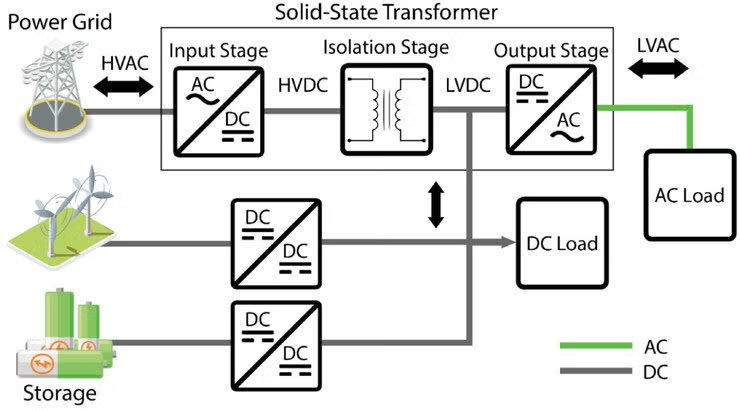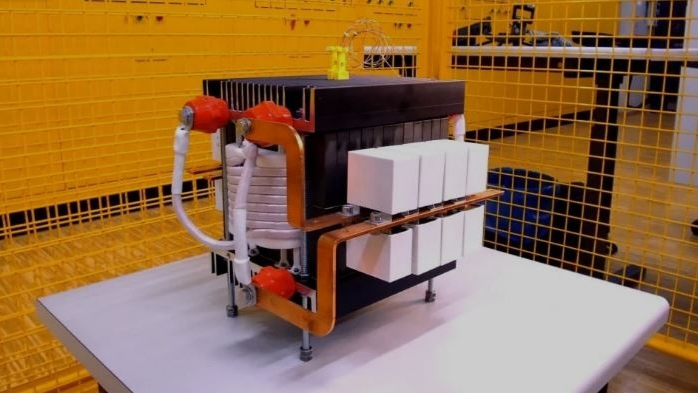
Solid-state transformers — advanced power electronics systems that replace conventional copper-and-iron transformers — are emerging as a focal point for investors betting on grid modernization.
The surge in interest reflects structural shifts in how electricity is generated, distributed, and consumed.
What Makes Solid-State Transformers Different?
Traditional transformers rely on electromagnetic induction to step voltage up or down.
Solid-state transformers use semiconductor components to manage voltage conversion digitally.
Advantages can include:
- Faster voltage regulation
- Improved efficiency
- Bidirectional power flow control
- Integration with renewable and storage systems
These features are particularly relevant in grids increasingly powered by intermittent sources like solar and wind.
AI and Data Center Load Growth
Rapid expansion of AI data centers has introduced new challenges for utilities.
High-density computing clusters require stable, high-capacity power connections.
Solid-state transformers can offer more precise load management and real-time grid responsiveness.
As AI infrastructure grows, advanced power electronics become essential for maintaining stability.
Renewable Integration
Renewable energy generation often requires sophisticated voltage management.
Traditional transformers were designed for one-way electricity flow — from centralized plants to consumers.
Modern grids increasingly involve distributed generation, rooftop solar, and battery storage.
Solid-state transformers can facilitate:
- Microgrid integration
- Electric vehicle charging networks
- Flexible distribution management
These capabilities align with broader decarbonization strategies.
Investment Momentum
Venture capital and infrastructure investors are targeting hardware startups developing next-generation grid components.
Unlike consumer tech cycles, grid modernization represents long-duration capital deployment with predictable returns.
Public funding programs in several regions also support advanced power electronics research.
The combination of AI-driven demand and renewable integration creates a dual tailwind for the technology.
Barriers to Adoption
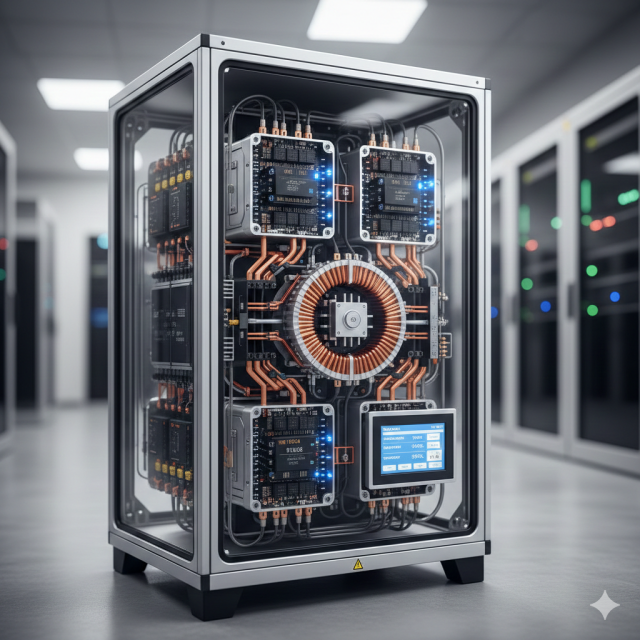
Despite promise, solid-state transformers remain relatively expensive compared to legacy systems.
Utilities often adopt new hardware cautiously due to reliability requirements and long asset lifecycles.
Scaling production and proving long-term durability will be critical for widespread deployment.
A Hardware Renaissance
For years, software dominated technology investment narratives.
The renewed interest in grid hardware signals a broader shift: digital transformation now depends on physical infrastructure upgrades.
Solid-state transformers may not attract the same headlines as AI models, but they sit at a critical junction between power supply and digital growth.
As electricity demand accelerates and grids evolve, investors appear increasingly convinced that upgrading foundational components is not optional — it is inevitable.