
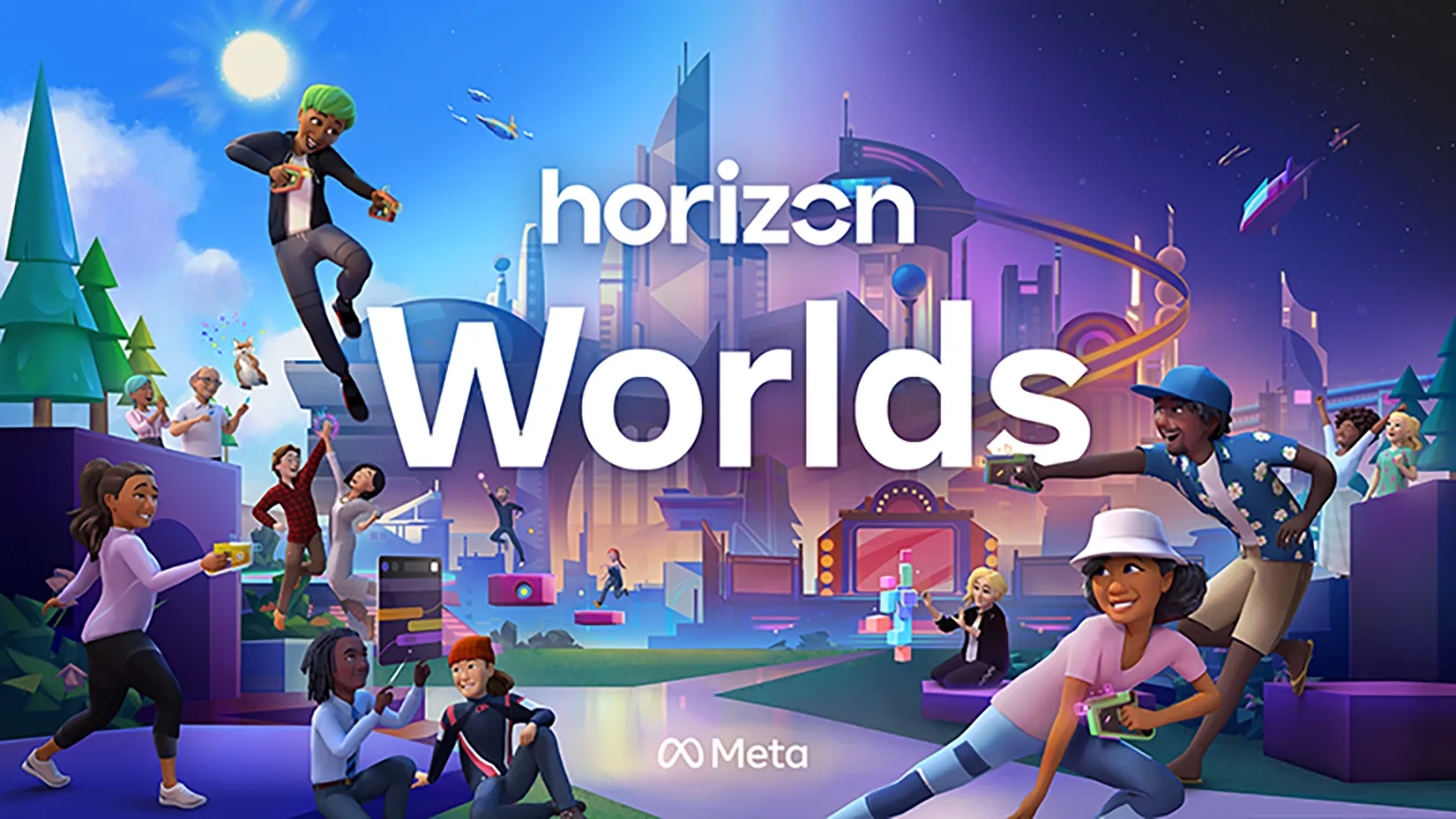
Meta is bringing its social virtual platform, Horizon Worlds, to mobile devices, marking a significant shift from its VR-first strategy. The expansion aims to widen access to the platform by reducing reliance on dedicated virtual reality hardware.
For a product that has struggled to achieve mainstream scale, accessibility may be the critical variable.
Lowering the Hardware Barrier
Horizon Worlds was originally designed for Meta’s VR headsets, requiring users to purchase and wear specialized devices.
While immersive, that model inherently limits audience size.
By enabling mobile access, Meta can tap into a far larger user base already accustomed to social apps.
Mobile compatibility could:
- Increase daily active users
- Encourage casual exploration
- Drive cross-platform engagement
However, translating immersive VR experiences to smaller screens poses design challenges.
A Strategic Metaverse Recalibration
The company has invested billions in building metaverse infrastructure, including hardware and software ecosystems.
Yet VR adoption has grown more slowly than some early projections suggested.
Expanding Horizon Worlds to mobile suggests a more pragmatic approach — blending immersive experiences with conventional social platform mechanics.
Rather than waiting for VR hardware penetration to scale, Meta appears to be broadening entry points.
Competitive and Platform Context
The digital social landscape remains intensely competitive.
Gaming platforms, creator-driven ecosystems, and traditional social networks compete for attention.

By making Horizon Worlds accessible via mobile, the company integrates metaverse elements into mainstream digital habits.
The move also allows creators to reach broader audiences without requiring users to own VR devices.
Monetization and Creator Economy
Horizon Worlds has been positioned as a creator platform where users can build and monetize virtual spaces.
Greater accessibility may improve creator incentives, as larger audiences increase potential revenue streams.
However, monetization success depends on sustained user engagement — not just downloads.
Balancing immersive innovation with usability will determine whether the expansion translates into meaningful growth.
A Hybrid Future for Immersive Platforms
The expansion reflects a broader industry reality: immersive technologies may evolve gradually rather than through abrupt hardware revolutions.
Blending VR, augmented reality, and mobile access could become the norm.
Meta’s decision indicates recognition that platform reach matters as much as technological ambition.
If mobile access boosts engagement, it could reshape how the metaverse concept evolves — from hardware-centric to ecosystem-centric.



