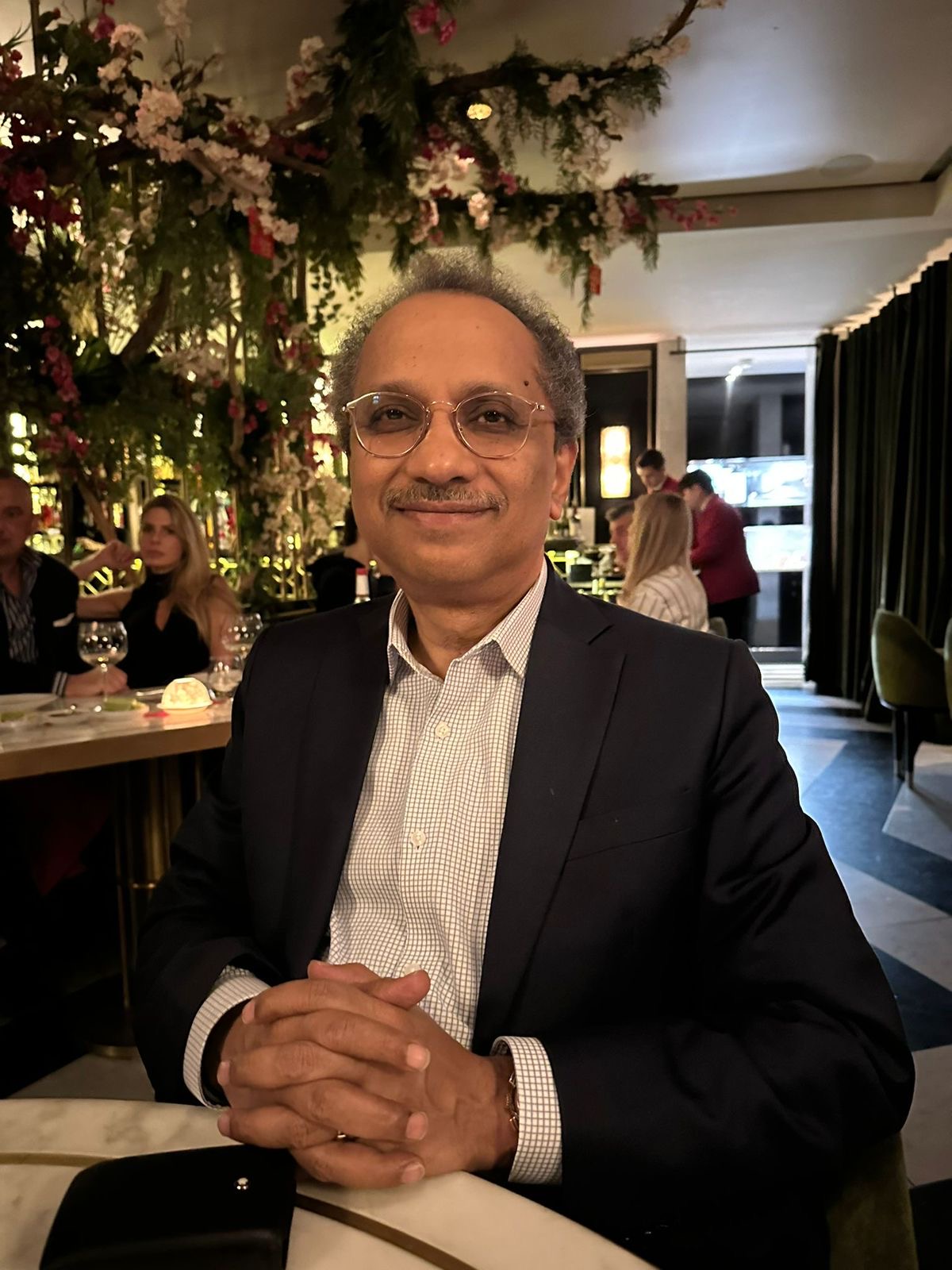
The Future of Indian Family Offices Will Be Designed, Not Inherited

Share via:

By Soumik Bandyopadhyay, Founder & Director of Soumik Bandyopadhyay Advisors Private Limited

Across India’s wealth landscape, a major structural transition is unfolding. While attention often focuses on new startups, unicorn valuations, or capital market appreciations, a deeper shift is taking place within established business families. Over the next decade, significant private wealth is expected to move from founding entrepreneurs to the next generation. At the same time, the number of family offices in India has expanded sharply over recent years, reflecting a growing importance of wealth preservation and recognition now that such preservation requires structure. This convergence of generational change and institutionalisation is altering the DNA of Indian family capital. The message emerging from advisors and business leaders alike is clear: the future of Indian family offices will have to be designed intentionally and specifically. It cannot simply be inherited.

From Growth Engines to Governance Platforms

For much of India’s economic expansion since liberalisation, business families were focused on one priority: growth. Founders built enterprises through centralized leadership and reinvested profits aggressively. Decision-making authority was typically consolidated within a small circle, often led by a patriarch. That model worked well during rapid expansion and capital formation stages. Speed and instinct were assets.

But scale brings in complexity. As wealth spreads across operating businesses, financial portfolios, global investments, and multiple family branches across the globe, informal decision-making becomes fragile. The shift underway is subtle but profound. Family offices are evolving from administrative or investment vehicles into governance platforms. This change reflects a broader understanding: growth may be driven by individuals; continuity requires institutions.

Inheritance Alone Does Not Ensure Alignment

Passing down wealth is not the same as passing down alignment. Generational transitions introduce generational differences in outlook. Founders who built businesses through calculated risk-taking may prioritize control and reinvestment. Successors, often globally educated and exposed to new asset classes, may favour diversification, private capital investments, or structured philanthropy. Without clear frameworks, these differences produce internal strain. In earlier decades, family traditions and close proximity to the founders often acted as glue. Today’s scale, global exposure and presence of multiple generations within the family demand something more formal. Documentation of governance principles, defined decision making, clarity on rights and responsibilities, external expertise in investment committees, and structured communication forums are increasingly viewed as stabilizing tools rather than bureaucratic burdens.

The Rising Cost of Informality

India’s family wealth is frequently concentrated in core operating businesses. While concentration may have accelerated wealth creation, it also amplifies risk. When ownership expands across generations, and liquidity needs vary across branches, informal systems struggle to respond. Regulatory complexity has increased, and global exposure requires compliance across multiple jurisdictions. As portfolios diversify, the cost of governance gaps grows exponentially. The future of Indian family offices is therefore closely tied to risk clarity. Families are beginning to map asset concentration, liquidity cycles, and exposure across geographies more systematically. This approach reflects a shift from instinct-led wealth management to policy-driven capital oversight.

The Next Generation Effect

India’s next generation of business leaders differs meaningfully from the previous one. Educated across global institutions and comfortable with technology-led decision-making, many seek structured involvement rather than informal apprenticeship. They are open to alternative investments, cross-border diversification, and impact-driven capital strategies. They often favour professional advisory support and transparent reporting mechanisms. The challenge lies not in reconciling ambition, but in building platforms where ambition can be channelled productively. Family offices that provide structured entry mechanisms through committees, leadership training, and defined strategic forums are more likely to retain generational cohesion. In contrast, systems that rely solely on hierarchy risk disengagement.

Governance as Competitive Strength

Governance has traditionally been viewed as defensive. Increasingly, it is being recognised as strategic leverage. Clear frameworks reduce internal conflicts and accelerate capital allocation decisions. Defined mandates for investment and risk oversight improve discipline. Structured communication reduces misalignment. Importantly, governance also protects reputation, a factor that becomes critical as families operate in public markets and global ecosystems. As family offices evolve, they are less likely to remain informal appendages to operating businesses. Instead, they function as central coordination points between ownership, management, benefits to the family and long-term strategy.

Institutional Thinking Over Personality

India’s wealth story has largely been personality-driven. Iconic founders shaped industries. But institutions, not individuals, determine inter-generational continuity. A defining feature of the next decade will be the gradual move toward institutional thinking. This does not diminish family identity. It embeds identity within systems capable of operating beyond any single decision-maker. Designed governance models protects both ownership as well as management while preserving influence. They create clarity around succession, risk appetite, and capital allocation norms not only for the operating businesses but more importantly for the family behind the businesses. The families that embrace institutional design early may navigate generational transitions with less turbulence.

Personalisation Over Replication

Despite the emphasis on institutionalisation, replication is never the answer. No two families share identical cultures, values, or risk appetites. The future of Indian family offices will depend on personalization of the structured systems. Governance frameworks must reflect real family dynamics rather than aspirational templates borrowed from other markets or situations. Some families may prioritize business control; others may shift toward portfolio diversification. Some may integrate philanthropy deeply; others may focus on reinvestment strategies. Effective design begins with understanding these nuances. Uniform solutions do not produce lasting cohesion.

The Defining Question

India stands at an inflection point in wealth history. The coming decade will test whether private capital can transition smoothly across generations while adapting to global complexity. Markets will continue to fluctuate. Regulatory regimes will evolve. Generational attitudes toward risk and innovation will differ. The determining factor will be whether family offices are structured thoughtfully and meaningfully or inherited by habit. Inheritance transfers control. Design creates endurance. As Indian wealth matures, the distinction between those two approaches will shape whether family enterprises sustain their trajectory or fragment under pressure. The future of Indian family offices, increasingly, will be built with intent rather than assumed continuity and its success will be determined by the quality of its customization.


Disclaimer

We strive to uphold the highest ethical standards in all of our reporting and coverage. We StartupNews.fyi want to be transparent with our readers about any potential conflicts of interest that may arise in our work. It’s possible that some of the investors we feature may have connections to other businesses, including competitors or companies we write about. However, we want to assure our readers that this will not have any impact on the integrity or impartiality of our reporting. We are committed to delivering accurate, unbiased news and information to our audience, and we will continue to uphold our ethics and principles in all of our work. Thank you for your trust and support.

Sreejit
Sreejit Kumar is a media and communications professional with over two years of experience across digital publishing, social media marketing, and content management. With a background in journalism and advertising, he focuses on crafting and managing multi-platform news content that drives audience engagement and measurable growth.

Popular

More Like this

The Future of Indian Family Offices Will Be Designed, Not Inherited

By Soumik Bandyopadhyay, Founder & Director of Soumik Bandyopadhyay Advisors Private Limited

Across India’s wealth landscape, a major structural transition is unfolding. While attention often focuses on new startups, unicorn valuations, or capital market appreciations, a deeper shift is taking place within established business families. Over the next decade, significant private wealth is expected to move from founding entrepreneurs to the next generation. At the same time, the number of family offices in India has expanded sharply over recent years, reflecting a growing importance of wealth preservation and recognition now that such preservation requires structure. This convergence of generational change and institutionalisation is altering the DNA of Indian family capital. The message emerging from advisors and business leaders alike is clear: the future of Indian family offices will have to be designed intentionally and specifically. It cannot simply be inherited.

From Growth Engines to Governance Platforms

For much of India’s economic expansion since liberalisation, business families were focused on one priority: growth. Founders built enterprises through centralized leadership and reinvested profits aggressively. Decision-making authority was typically consolidated within a small circle, often led by a patriarch. That model worked well during rapid expansion and capital formation stages. Speed and instinct were assets.

But scale brings in complexity. As wealth spreads across operating businesses, financial portfolios, global investments, and multiple family branches across the globe, informal decision-making becomes fragile. The shift underway is subtle but profound. Family offices are evolving from administrative or investment vehicles into governance platforms. This change reflects a broader understanding: growth may be driven by individuals; continuity requires institutions.

Inheritance Alone Does Not Ensure Alignment

Passing down wealth is not the same as passing down alignment. Generational transitions introduce generational differences in outlook. Founders who built businesses through calculated risk-taking may prioritize control and reinvestment. Successors, often globally educated and exposed to new asset classes, may favour diversification, private capital investments, or structured philanthropy. Without clear frameworks, these differences produce internal strain. In earlier decades, family traditions and close proximity to the founders often acted as glue. Today’s scale, global exposure and presence of multiple generations within the family demand something more formal. Documentation of governance principles, defined decision making, clarity on rights and responsibilities, external expertise in investment committees, and structured communication forums are increasingly viewed as stabilizing tools rather than bureaucratic burdens.

The Rising Cost of Informality

India’s family wealth is frequently concentrated in core operating businesses. While concentration may have accelerated wealth creation, it also amplifies risk. When ownership expands across generations, and liquidity needs vary across branches, informal systems struggle to respond. Regulatory complexity has increased, and global exposure requires compliance across multiple jurisdictions. As portfolios diversify, the cost of governance gaps grows exponentially. The future of Indian family offices is therefore closely tied to risk clarity. Families are beginning to map asset concentration, liquidity cycles, and exposure across geographies more systematically. This approach reflects a shift from instinct-led wealth management to policy-driven capital oversight.

The Next Generation Effect

India’s next generation of business leaders differs meaningfully from the previous one. Educated across global institutions and comfortable with technology-led decision-making, many seek structured involvement rather than informal apprenticeship. They are open to alternative investments, cross-border diversification, and impact-driven capital strategies. They often favour professional advisory support and transparent reporting mechanisms. The challenge lies not in reconciling ambition, but in building platforms where ambition can be channelled productively. Family offices that provide structured entry mechanisms through committees, leadership training, and defined strategic forums are more likely to retain generational cohesion. In contrast, systems that rely solely on hierarchy risk disengagement.

Governance as Competitive Strength

Governance has traditionally been viewed as defensive. Increasingly, it is being recognised as strategic leverage. Clear frameworks reduce internal conflicts and accelerate capital allocation decisions. Defined mandates for investment and risk oversight improve discipline. Structured communication reduces misalignment. Importantly, governance also protects reputation, a factor that becomes critical as families operate in public markets and global ecosystems. As family offices evolve, they are less likely to remain informal appendages to operating businesses. Instead, they function as central coordination points between ownership, management, benefits to the family and long-term strategy.

Institutional Thinking Over Personality

India’s wealth story has largely been personality-driven. Iconic founders shaped industries. But institutions, not individuals, determine inter-generational continuity. A defining feature of the next decade will be the gradual move toward institutional thinking. This does not diminish family identity. It embeds identity within systems capable of operating beyond any single decision-maker. Designed governance models protects both ownership as well as management while preserving influence. They create clarity around succession, risk appetite, and capital allocation norms not only for the operating businesses but more importantly for the family behind the businesses. The families that embrace institutional design early may navigate generational transitions with less turbulence.

Personalisation Over Replication

Despite the emphasis on institutionalisation, replication is never the answer. No two families share identical cultures, values, or risk appetites. The future of Indian family offices will depend on personalization of the structured systems. Governance frameworks must reflect real family dynamics rather than aspirational templates borrowed from other markets or situations. Some families may prioritize business control; others may shift toward portfolio diversification. Some may integrate philanthropy deeply; others may focus on reinvestment strategies. Effective design begins with understanding these nuances. Uniform solutions do not produce lasting cohesion.

The Defining Question

India stands at an inflection point in wealth history. The coming decade will test whether private capital can transition smoothly across generations while adapting to global complexity. Markets will continue to fluctuate. Regulatory regimes will evolve. Generational attitudes toward risk and innovation will differ. The determining factor will be whether family offices are structured thoughtfully and meaningfully or inherited by habit. Inheritance transfers control. Design creates endurance. As Indian wealth matures, the distinction between those two approaches will shape whether family enterprises sustain their trajectory or fragment under pressure. The future of Indian family offices, increasingly, will be built with intent rather than assumed continuity and its success will be determined by the quality of its customization.

Disclaimer

We strive to uphold the highest ethical standards in all of our reporting and coverage. We StartupNews.fyi want to be transparent with our readers about any potential conflicts of interest that may arise in our work. It’s possible that some of the investors we feature may have connections to other businesses, including competitors or companies we write about. However, we want to assure our readers that this will not have any impact on the integrity or impartiality of our reporting. We are committed to delivering accurate, unbiased news and information to our audience, and we will continue to uphold our ethics and principles in all of our work. Thank you for your trust and support.

Website Upgradation is going on for any glitch kindly connect at office@startupnews.fyi

Sreejit
Sreejit Kumar is a media and communications professional with over two years of experience across digital publishing, social media marketing, and content management. With a background in journalism and advertising, he focuses on crafting and managing multi-platform news content that drives audience engagement and measurable growth.

More like this

Today’s NYT Mini Crossword Answers for Feb. 27

Looking for the most recent Mini Crossword answer?  Click here for...

Nvidia rolls back its latest driver update — Game...

Nvidia just released the GeForce Game Ready Driver 595.59,...

Popular

iptv iptv iptv iptv iptv iptv iptv iptv iptv iptv iptv iptv iptv iptv iptv iptv iptv iptv iptv iptv iptv iptv iptv iptv melhor iptv portugal lista melhor iptv portugal lista melhor iptv portugal lista melhor iptv portugal lista melhor iptv portugal lista melhor iptv portugal lista melhor iptv portugal lista melhor iptv portugal lista melhor iptv portugal lista melhor iptv portugal lista melhor iptv portugal lista melhor iptv portugal lista melhor iptv portugal lista melhor iptv portugal lista melhor iptv portugal lista melhor iptv portugal lista melhor iptv portugal lista melhor iptv portugal lista melhor iptv portugal lista melhor iptv portugal lista melhor iptv portugal lista melhor iptv portugal lista melhor iptv portugal lista melhor iptv portugal lista melhor iptv portugal lista melhor iptv portugal lista melhor iptv portugal lista melhor iptv portugal lista melhor iptv portugal lista melhor iptv portugal lista melhor iptv portugal lista melhor iptv portugal lista melhor iptv portugal lista melhor iptv portugal lista melhor iptv portugal lista melhor iptv portugal lista melhor iptv portugal lista melhor iptv portugal lista melhor iptv portugal lista melhor iptv portugal lista melhor iptv portugal lista melhor iptv portugal lista melhor iptv portugal lista melhor iptv portugal lista melhor iptv portugal lista melhor iptv portugal lista melhor iptv portugal lista melhor iptv portugal lista melhor iptv portugal lista melhor iptv portugal lista melhor iptv portugal lista melhor iptv portugal lista melhor iptv portugal lista melhor iptv portugal lista melhor iptv portugal lista melhor iptv portugal lista melhor iptv portugal lista melhor iptv portugal lista melhor iptv portugal lista melhor iptv portugal lista melhor iptv portugal lista melhor iptv portugal lista melhor iptv portugal lista melhor iptv portugal lista melhor iptv portugal lista melhor iptv portugal lista best iptv best iptv best iptv best iptv best iptv best iptv best iptv best iptv best iptv best iptv best iptv best iptv best iptv best iptv best iptv best iptv best iptv best iptv best iptv best iptv best iptv best iptv best iptv best iptv best iptv best iptv best iptv best iptv best iptv best iptv best iptv best iptv best iptv best iptv best iptv best iptv best iptv best iptv best iptv best iptv best iptv best iptv best iptv best iptv best iptv best iptv best iptv best iptv best iptv best iptv best iptv best iptv best iptv best iptv best iptv best iptv best iptv best iptv best iptv best iptv best iptv best iptv best iptv best iptv best iptv best iptv best iptv best iptv best iptv best iptv best iptv best iptv best iptv best iptv best iptv best iptv best iptv best iptv best iptv best iptv best iptv best iptv best iptv best iptv best iptv best iptv best iptv best iptv best iptv best iptv best iptv best iptv best iptv best iptv best iptv best iptv best iptv best iptv best iptv best iptv best iptv best iptv best iptv best iptv best iptv best iptv best iptv best iptv best iptv best iptv best iptv best iptv best iptv best iptv best iptv best iptv best iptv best iptv best iptv best iptv best iptv best iptv best iptv best iptv best iptv best iptv best iptv best iptv best iptv best iptv best iptv best iptv best iptv best iptv best iptv best iptv best iptv best iptv best iptv best iptv best iptv best iptv best iptv best iptv best iptv best iptv best iptv best iptv best iptv best iptv best iptv best iptv best iptv best iptv best iptv best iptv best iptv best iptv best iptv best iptv best iptv best iptv best iptv best iptv best iptv best iptv best iptv best iptv best iptv best iptv best iptv best iptv best iptv best iptv best iptv best iptv best iptv best iptv best iptv best iptv best iptv best iptv best iptv best iptv best iptv best iptv best iptv best iptv best iptv best iptv best iptv best iptv best iptv best iptv best iptv best iptv best iptv best iptv best iptv iptv iptv iptv iptv iptv iptv iptv iptv iptv iptv iptv iptv iptv portugal iptv portugal iptv portugal iptv portugal iptv portugal iptv portugal iptv portugal iptv portugal iptv portugal iptv portugal iptv portugal iptv portugal iptv iptv iptv iptv iptv iptv iptv iptv iptv iptv iptv iptv