
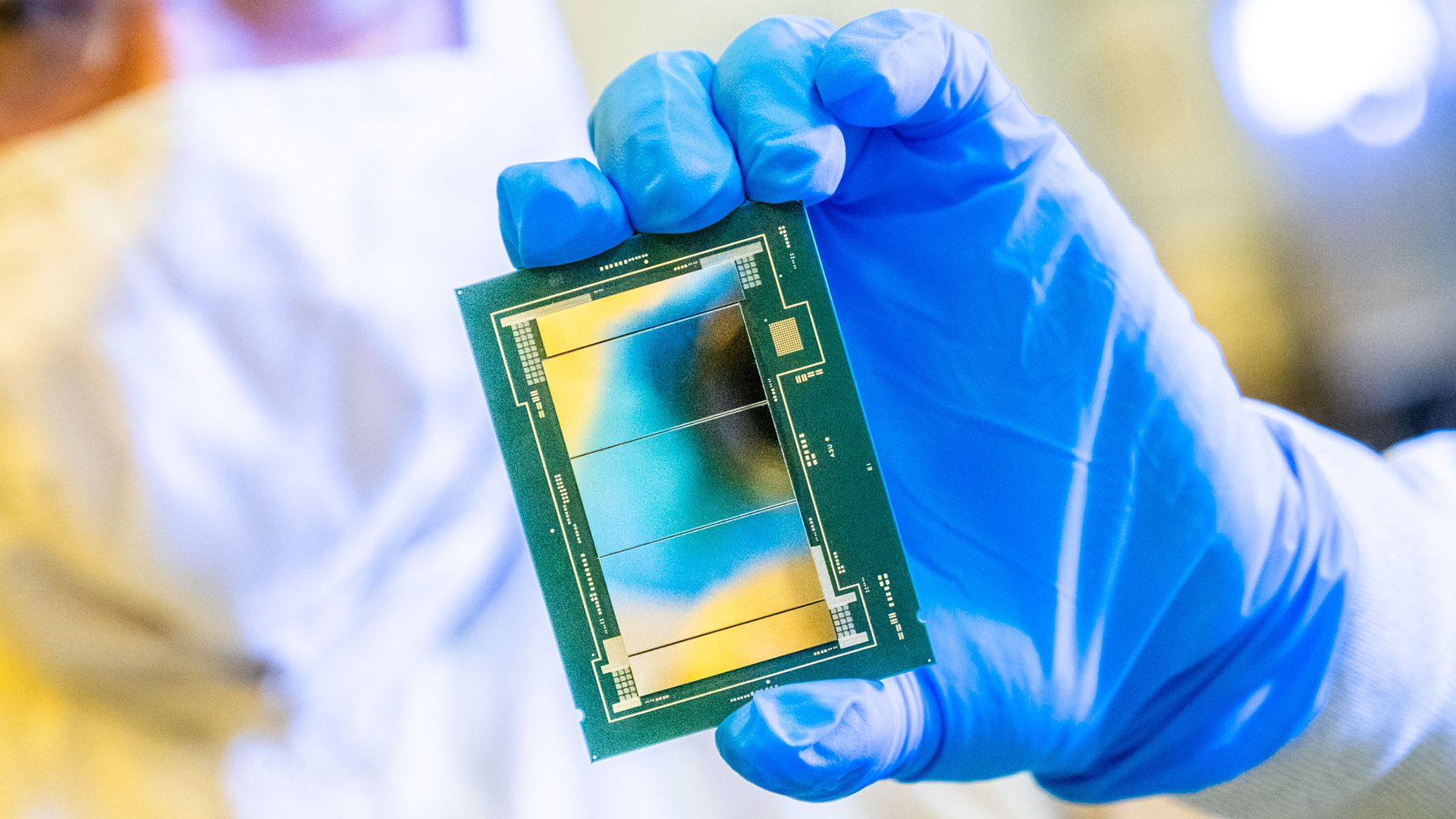
When Intel introduced its data-analytics-id=”inline-link” href=”https://www.tomshardware.com/news/intel-announces-idm-20-foundry” data-before-rewrite-localise=”https://www.tomshardware.com/news/intel-announces-idm-20-foundry”>IDM 2.0 strategy in 2021, a substantial part of the plan was to build custom x86 processors for clients and then produce them at Intel Foundry. However, the company has never assigned an executive to manage its custom silicon business, and the only major design wins were data-analytics-id=”inline-link” href=”https://www.tomshardware.com/news/intels-custom-sapphire-rapids-cpus-power-amazons-ec2-instances” target=”_blank” data-before-rewrite-localise=”https://www.tomshardware.com/news/intels-custom-sapphire-rapids-cpus-power-amazons-ec2-instances”>for custom Xeon CPUs used by data-analytics-id=”inline-link” href=”https://www.tomshardware.com/tag/amazon” data-auto-tag-linker=”true” data-before-rewrite-localise=”https://www.tomshardware.com/tag/amazon”>Amazon Web Services. However, this month, Intel made two important steps that make it a de facto contract chip designer: it appointed an executive to lead its custom silicon…


