
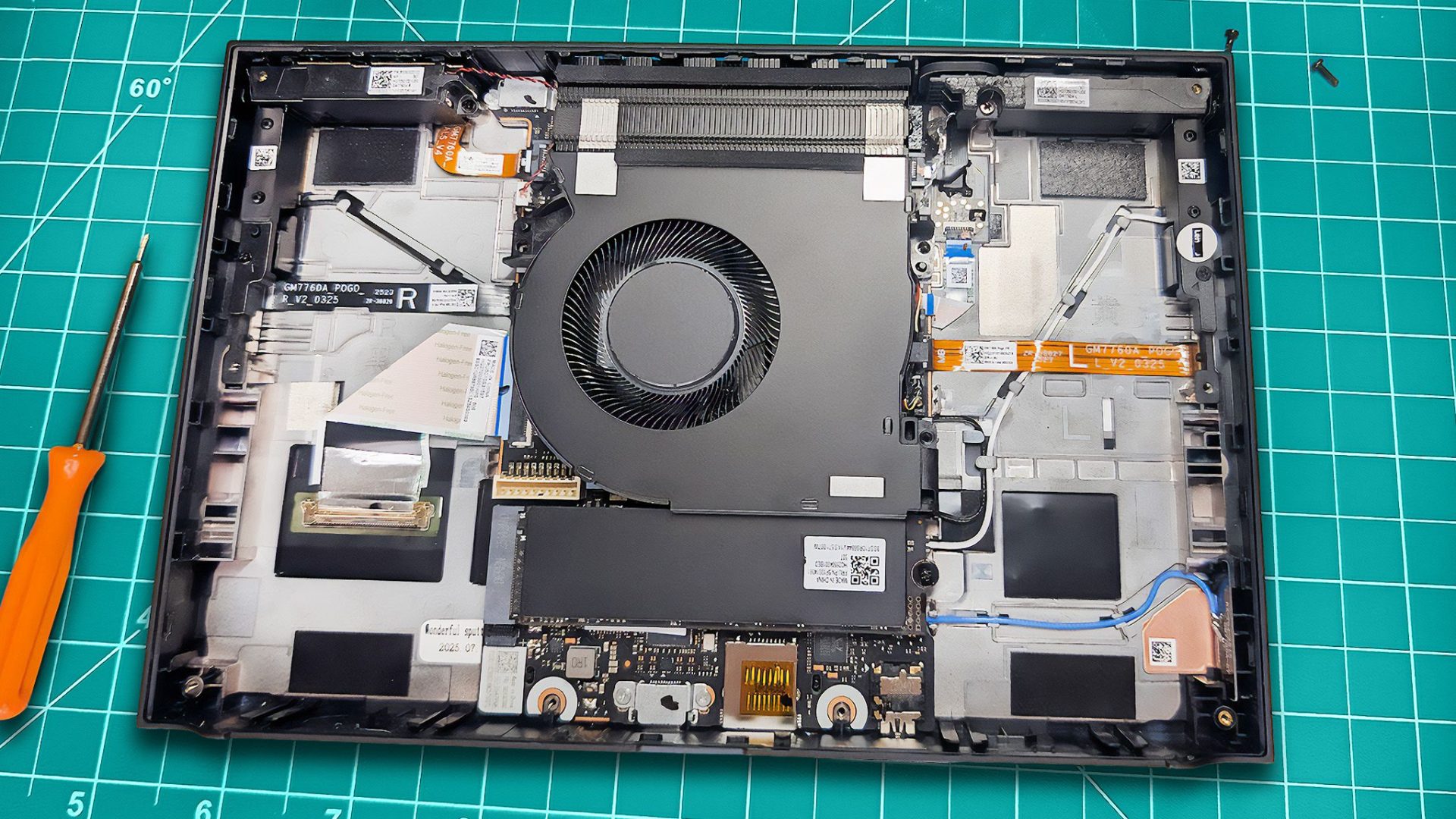
I just recently discovered that ASUS ROG and Lenovo are approaching handheld upgradability differently, and it could have a negative effect on one of them in the long run. Let me explain.
Last week, when data-analytics-id=”inline-link” href=”https://www.windowscentral.com/gaming/pc-gaming/xbox-ally-and-xbox-ally-x-preorders-live-price-revealed” data-before-rewrite-localise=”https://www.windowscentral.com/gaming/pc-gaming/xbox-ally-and-xbox-ally-x-preorders-live-price-revealed”>ROG Xbox Ally and ROG Xbox Ally X preorders went live, SanDisk also revealed that it had designed data-analytics-id=”inline-link” href=”https://www.windowscentral.com/hardware/handheld-gaming-pc/sandisk-officially-licensed-xbox-ally-x-storage” data-before-rewrite-localise=”https://www.windowscentral.com/hardware/handheld-gaming-pc/sandisk-officially-licensed-xbox-ally-x-storage”>two new WD_BLACK SSDs (solid-state drives) exclusively for these gaming handhelds. This implies that ASUS ROG has not only communicated with SanDisk on how to create these SSDs, but has also designed these…


