Solar Eclipse to Cause ‘Daytime Blackout’: What NASA Says About the Longest Eclipse in 12,000 Years

Share via:

A Solar Eclipse That Turns Day Into Night

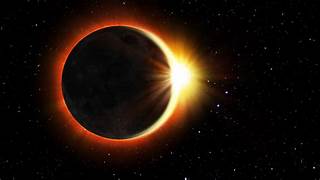
A rare astronomical event has captured the attention of scientists and skywatchers worldwide — a solar eclipse so long and intense that it will cause a “blackout” in broad daylight. According to NASA’s official eclipse FAQ, this extraordinary event will “turn off the Sun” for seven minutes and 29 seconds, marking the longest total solar eclipse in the past 12,000 years.

Although described dramatically as a “daytime blackout,” this phenomenon is entirely natural. During the eclipse, the Moon will pass directly between the Earth and the Sun, casting a shadow that plunges regions into near-total darkness — a sight both eerie and magnificent.

Will the Eclipse Be Visible in Brazil?

The viral news of a “daytime blackout in Brazil” sparked curiosity and confusion among many readers. However, according to reports from Diário do Comércio and NASA, Brazil will only experience a partial eclipse, meaning the Sun will be partially covered, not completely darkened.

The total solar eclipse being discussed will occur on July 16, 2186, more than 160 years from now — meaning no one alive today will witness it firsthand. Despite the long wait, the event has become a topic of fascination due to its unprecedented duration and intensity.

For those eager to see a closer astronomical event, NASA has confirmed that the next total solar eclipse will happen on August 2, 2027. This one will last more than six minutes — making it the longest of the 21st century so far. However, this 2027 eclipse will only be visible in North Africa and parts of the Middle East, not in Brazil.

Why Is the 2186 Eclipse So Special?

Astronomers explain that the July 16, 2186 eclipse will occur under ideal cosmic conditions — the Earth will be at its farthest point from the Sun (aphelion), and the Moon will be near its closest approach to Earth (perigee). This combination allows the Moon to appear slightly larger than usual, covering the Sun’s disk completely for a record duration.

NASA scientists describe it as a “once-in-many-millennia” event — a perfect alignment that hasn’t happened for 12,000 years and won’t happen again for tens of thousands more.

A Reminder to Observe Eclipses Safely

While eclipses are awe-inspiring, experts strongly warn against viewing them without proper protection. Observing a solar eclipse directly — even during partial coverage — can cause serious eye damage or permanent blindness.

NASA recommends using ISO 12312-2 certified eclipse glasses designed specifically for solar observation. Regular sunglasses, telescopes, cameras, or binoculars do not provide sufficient protection and can amplify harmful solar radiation.

For safe viewing, astronomy associations around the world are expected to organize public viewing events for future eclipses, offering filtered telescopes and educational programs.

Humanity’s Fascination With Celestial Shadows

Eclipses have fascinated civilizations for centuries, often interpreted as omens or divine events. But today, with advanced astronomical knowledge, we understand them as remarkable celestial alignments — reminders of the delicate cosmic dance that sustains our solar system.

Though the 2186 total solar eclipse is far in the future, modern-day enthusiasm around it shows how humanity remains endlessly curious about the mysteries of the universe.

As NASA notes, “Every eclipse teaches us something — not just about the Sun and the Moon, but about our own place in the cosmos.”


Stay Updated on Space, Science, and Innovation

For more trending science and technology updates, visit StartupNews.fyi — your source for the latest stories shaping our future.


Disclaimer

We strive to uphold the highest ethical standards in all of our reporting and coverage. We StartupNews.fyi want to be transparent with our readers about any potential conflicts of interest that may arise in our work. It’s possible that some of the investors we feature may have connections to other businesses, including competitors or companies we write about. However, we want to assure our readers that this will not have any impact on the integrity or impartiality of our reporting. We are committed to delivering accurate, unbiased news and information to our audience, and we will continue to uphold our ethics and principles in all of our work. Thank you for your trust and support.

Popular

More Like this

Solar Eclipse to Cause ‘Daytime Blackout’: What NASA Says About the Longest Eclipse in 12,000 Years

A Solar Eclipse That Turns Day Into Night

A rare astronomical event has captured the attention of scientists and skywatchers worldwide — a solar eclipse so long and intense that it will cause a “blackout” in broad daylight. According to NASA’s official eclipse FAQ, this extraordinary event will “turn off the Sun” for seven minutes and 29 seconds, marking the longest total solar eclipse in the past 12,000 years.

Although described dramatically as a “daytime blackout,” this phenomenon is entirely natural. During the eclipse, the Moon will pass directly between the Earth and the Sun, casting a shadow that plunges regions into near-total darkness — a sight both eerie and magnificent.

Will the Eclipse Be Visible in Brazil?

The viral news of a “daytime blackout in Brazil” sparked curiosity and confusion among many readers. However, according to reports from Diário do Comércio and NASA, Brazil will only experience a partial eclipse, meaning the Sun will be partially covered, not completely darkened.

The total solar eclipse being discussed will occur on July 16, 2186, more than 160 years from now — meaning no one alive today will witness it firsthand. Despite the long wait, the event has become a topic of fascination due to its unprecedented duration and intensity.

For those eager to see a closer astronomical event, NASA has confirmed that the next total solar eclipse will happen on August 2, 2027. This one will last more than six minutes — making it the longest of the 21st century so far. However, this 2027 eclipse will only be visible in North Africa and parts of the Middle East, not in Brazil.

Why Is the 2186 Eclipse So Special?

Astronomers explain that the July 16, 2186 eclipse will occur under ideal cosmic conditions — the Earth will be at its farthest point from the Sun (aphelion), and the Moon will be near its closest approach to Earth (perigee). This combination allows the Moon to appear slightly larger than usual, covering the Sun’s disk completely for a record duration.

NASA scientists describe it as a “once-in-many-millennia” event — a perfect alignment that hasn’t happened for 12,000 years and won’t happen again for tens of thousands more.

A Reminder to Observe Eclipses Safely

While eclipses are awe-inspiring, experts strongly warn against viewing them without proper protection. Observing a solar eclipse directly — even during partial coverage — can cause serious eye damage or permanent blindness.

NASA recommends using ISO 12312-2 certified eclipse glasses designed specifically for solar observation. Regular sunglasses, telescopes, cameras, or binoculars do not provide sufficient protection and can amplify harmful solar radiation.

For safe viewing, astronomy associations around the world are expected to organize public viewing events for future eclipses, offering filtered telescopes and educational programs.

Humanity’s Fascination With Celestial Shadows

Eclipses have fascinated civilizations for centuries, often interpreted as omens or divine events. But today, with advanced astronomical knowledge, we understand them as remarkable celestial alignments — reminders of the delicate cosmic dance that sustains our solar system.

Though the 2186 total solar eclipse is far in the future, modern-day enthusiasm around it shows how humanity remains endlessly curious about the mysteries of the universe.

As NASA notes, “Every eclipse teaches us something — not just about the Sun and the Moon, but about our own place in the cosmos.”


Stay Updated on Space, Science, and Innovation

For more trending science and technology updates, visit StartupNews.fyi — your source for the latest stories shaping our future.

Disclaimer

We strive to uphold the highest ethical standards in all of our reporting and coverage. We StartupNews.fyi want to be transparent with our readers about any potential conflicts of interest that may arise in our work. It’s possible that some of the investors we feature may have connections to other businesses, including competitors or companies we write about. However, we want to assure our readers that this will not have any impact on the integrity or impartiality of our reporting. We are committed to delivering accurate, unbiased news and information to our audience, and we will continue to uphold our ethics and principles in all of our work. Thank you for your trust and support.

Website Upgradation is going on for any glitch kindly connect at office@startupnews.fyi

More like this

Coforge and CEO Sudhir Singh take a big leap...

Singh’s generosity, however, follows a rigorous process, which...

WhatsApp 2025 Highlights: Key Updates and Features for iOS...

Explore the major features and improvements that made...

Popular