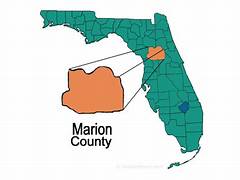
Congestion Reported Along I-75 Northbound in Marion County: Drivers Face Delays and Heavy Traffic

Share via:

Friday Afternoon Sees Slowdowns Across Major I-75 Stretch

Motorists traveling through Marion County, Florida, faced moderate traffic congestion along Interstate 75 northbound on Friday, October 17, 2025, according to the Florida Department of Transportation (FDOT). Reports from the state’s official traffic monitoring system, FL511.com, indicated that congestion stretched from mile marker 328 to beyond mile marker 343, impacting travel for several miles during the early afternoon hours.

The slowdown began shortly after 1:00 p.m., with vehicles experiencing stop-and-go traffic along multiple lanes. Although the congestion was classified as “minor,” it caused noticeable delays for both local commuters and long-distance travelers heading north toward Gainesville and beyond.

No Accidents Reported, But the Cause Remains Unclear

Interestingly, FDOT confirmed that no active accidents, breakdowns, or lane closures were reported during the affected period. The “incidents” section of FL511.com did not list any traffic accidents or construction alerts in the area, leaving the exact cause of the slowdown undetermined.

Transportation officials speculate that the congestion may have resulted from a combination of heavy weekend travel, routine commuter buildup, and possible lane merging near busy exits. With increasing traffic volumes during fall weekends, such congestion has become a common occurrence along Florida’s busiest interstate corridor.

FDOT has urged drivers to remain alert and patient, emphasizing safe driving practices such as maintaining adequate following distances and avoiding sudden lane changes in congested conditions.

Impacted Areas and Commuter Experience

The congestion primarily affected northbound traffic between Belleview and Ocala, with reports of average speeds dropping to 25–35 mph during the heaviest part of the slowdown. Travelers noted that merging onto I-75 from State Road 200 and U.S. 441 became particularly challenging due to the slower flow of vehicles.

Local commuters took to social media platforms to express frustration, citing the lack of clear communication about the congestion’s cause. “It’s becoming a pattern every Friday afternoon — no crash, no construction, just bumper-to-bumper traffic for miles,” one driver wrote in an Ocala community group.

Despite the inconvenience, most drivers reported that the congestion eased by 3:30 p.m., restoring normal traffic flow before the evening rush hour began.

Travel Advisory from FDOT

The Florida Department of Transportation is encouraging motorists to stay informed through FL511.com, the state’s real-time traffic monitoring platform. The system provides live traffic camera feeds, incident reports, and estimated travel times across Florida’s major roadways.

FDOT issued the following recommendations for drivers traveling through Marion County:

  • Check traffic updates before departure, especially during peak hours.
  • Use alternate routes like U.S. 301, State Road 200, or County Road 484 to avoid heavy congestion zones.
  • Plan ahead for possible delays and allow extra time when traveling long distances through the I-75 corridor.
  • Avoid aggressive driving or last-minute lane changes that can increase the risk of accidents during congestion.

Transportation analysts note that I-75’s northbound lanes through Marion County serve as a vital route for commuters, freight transport, and travelers heading toward northern Florida, making it one of the state’s most heavily used roadways.

Local Authorities Continue Monitoring Traffic Conditions

FDOT officials and Marion County law enforcement are continuing to monitor I-75 traffic using roadside sensors and camera systems. Though the congestion appeared to be temporary, the department plans to review the data to determine whether the slowdown resulted from a volume surge or temporary merging bottlenecks near key interchanges.

The department’s goal is to identify long-term solutions for recurring traffic issues in Marion County, including lane expansion projects, improved exit signage, and real-time traffic rerouting systems that can alert drivers to developing delays before they approach congested areas.

Drivers Urged to Stay Alert and Informed

For frequent travelers along I-75, experts recommend taking advantage of mobile navigation tools that integrate FDOT’s live data, such as Google Maps and Waze, which now provide minute-by-minute updates about slowdowns and estimated delay durations.

Additionally, FDOT’s FL511 mobile app allows drivers to set up customized traffic alerts for specific routes — a valuable feature for those who commute regularly through high-traffic zones like Marion County.

Looking Ahead: Managing Traffic Growth in Marion County

As Marion County continues to grow, transportation planners anticipate that congestion on major highways like I-75 will increase. Ongoing development in Ocala, The Villages, and surrounding communities has contributed to higher commuter traffic volumes.

The Florida Transportation Plan 2045 includes several proposals aimed at expanding lanes, improving intersections, and investing in smart traffic technologies across the region. These measures are expected to reduce recurring congestion and improve travel reliability for residents and visitors alike.

Final Thoughts

Friday’s traffic congestion on I-75 northbound in Marion County serves as another reminder of Florida’s growing transportation challenges. While the incident did not involve accidents or lane closures, it highlights the importance of real-time monitoring, efficient communication, and infrastructure investment to manage heavy travel corridors effectively.

Motorists are advised to remain vigilant, check for updates before heading out, and prepare for occasional slowdowns as the region’s population and vehicle numbers continue to climb.

For continuous updates on Florida traffic, infrastructure, and transportation developments, visit StartupNews.fyi.


Disclaimer

We strive to uphold the highest ethical standards in all of our reporting and coverage. We StartupNews.fyi want to be transparent with our readers about any potential conflicts of interest that may arise in our work. It’s possible that some of the investors we feature may have connections to other businesses, including competitors or companies we write about. However, we want to assure our readers that this will not have any impact on the integrity or impartiality of our reporting. We are committed to delivering accurate, unbiased news and information to our audience, and we will continue to uphold our ethics and principles in all of our work. Thank you for your trust and support.

Popular

More Like this

Congestion Reported Along I-75 Northbound in Marion County: Drivers Face Delays and Heavy Traffic

Friday Afternoon Sees Slowdowns Across Major I-75 Stretch

Motorists traveling through Marion County, Florida, faced moderate traffic congestion along Interstate 75 northbound on Friday, October 17, 2025, according to the Florida Department of Transportation (FDOT). Reports from the state’s official traffic monitoring system, FL511.com, indicated that congestion stretched from mile marker 328 to beyond mile marker 343, impacting travel for several miles during the early afternoon hours.

The slowdown began shortly after 1:00 p.m., with vehicles experiencing stop-and-go traffic along multiple lanes. Although the congestion was classified as “minor,” it caused noticeable delays for both local commuters and long-distance travelers heading north toward Gainesville and beyond.

No Accidents Reported, But the Cause Remains Unclear

Interestingly, FDOT confirmed that no active accidents, breakdowns, or lane closures were reported during the affected period. The “incidents” section of FL511.com did not list any traffic accidents or construction alerts in the area, leaving the exact cause of the slowdown undetermined.

Transportation officials speculate that the congestion may have resulted from a combination of heavy weekend travel, routine commuter buildup, and possible lane merging near busy exits. With increasing traffic volumes during fall weekends, such congestion has become a common occurrence along Florida’s busiest interstate corridor.

FDOT has urged drivers to remain alert and patient, emphasizing safe driving practices such as maintaining adequate following distances and avoiding sudden lane changes in congested conditions.

Impacted Areas and Commuter Experience

The congestion primarily affected northbound traffic between Belleview and Ocala, with reports of average speeds dropping to 25–35 mph during the heaviest part of the slowdown. Travelers noted that merging onto I-75 from State Road 200 and U.S. 441 became particularly challenging due to the slower flow of vehicles.

Local commuters took to social media platforms to express frustration, citing the lack of clear communication about the congestion’s cause. “It’s becoming a pattern every Friday afternoon — no crash, no construction, just bumper-to-bumper traffic for miles,” one driver wrote in an Ocala community group.

Despite the inconvenience, most drivers reported that the congestion eased by 3:30 p.m., restoring normal traffic flow before the evening rush hour began.

Travel Advisory from FDOT

The Florida Department of Transportation is encouraging motorists to stay informed through FL511.com, the state’s real-time traffic monitoring platform. The system provides live traffic camera feeds, incident reports, and estimated travel times across Florida’s major roadways.

FDOT issued the following recommendations for drivers traveling through Marion County:

  • Check traffic updates before departure, especially during peak hours.
  • Use alternate routes like U.S. 301, State Road 200, or County Road 484 to avoid heavy congestion zones.
  • Plan ahead for possible delays and allow extra time when traveling long distances through the I-75 corridor.
  • Avoid aggressive driving or last-minute lane changes that can increase the risk of accidents during congestion.

Transportation analysts note that I-75’s northbound lanes through Marion County serve as a vital route for commuters, freight transport, and travelers heading toward northern Florida, making it one of the state’s most heavily used roadways.

Local Authorities Continue Monitoring Traffic Conditions

FDOT officials and Marion County law enforcement are continuing to monitor I-75 traffic using roadside sensors and camera systems. Though the congestion appeared to be temporary, the department plans to review the data to determine whether the slowdown resulted from a volume surge or temporary merging bottlenecks near key interchanges.

The department’s goal is to identify long-term solutions for recurring traffic issues in Marion County, including lane expansion projects, improved exit signage, and real-time traffic rerouting systems that can alert drivers to developing delays before they approach congested areas.

Drivers Urged to Stay Alert and Informed

For frequent travelers along I-75, experts recommend taking advantage of mobile navigation tools that integrate FDOT’s live data, such as Google Maps and Waze, which now provide minute-by-minute updates about slowdowns and estimated delay durations.

Additionally, FDOT’s FL511 mobile app allows drivers to set up customized traffic alerts for specific routes — a valuable feature for those who commute regularly through high-traffic zones like Marion County.

Looking Ahead: Managing Traffic Growth in Marion County

As Marion County continues to grow, transportation planners anticipate that congestion on major highways like I-75 will increase. Ongoing development in Ocala, The Villages, and surrounding communities has contributed to higher commuter traffic volumes.

The Florida Transportation Plan 2045 includes several proposals aimed at expanding lanes, improving intersections, and investing in smart traffic technologies across the region. These measures are expected to reduce recurring congestion and improve travel reliability for residents and visitors alike.

Final Thoughts

Friday’s traffic congestion on I-75 northbound in Marion County serves as another reminder of Florida’s growing transportation challenges. While the incident did not involve accidents or lane closures, it highlights the importance of real-time monitoring, efficient communication, and infrastructure investment to manage heavy travel corridors effectively.

Motorists are advised to remain vigilant, check for updates before heading out, and prepare for occasional slowdowns as the region’s population and vehicle numbers continue to climb.

For continuous updates on Florida traffic, infrastructure, and transportation developments, visit StartupNews.fyi.

Disclaimer

We strive to uphold the highest ethical standards in all of our reporting and coverage. We StartupNews.fyi want to be transparent with our readers about any potential conflicts of interest that may arise in our work. It’s possible that some of the investors we feature may have connections to other businesses, including competitors or companies we write about. However, we want to assure our readers that this will not have any impact on the integrity or impartiality of our reporting. We are committed to delivering accurate, unbiased news and information to our audience, and we will continue to uphold our ethics and principles in all of our work. Thank you for your trust and support.

Website Upgradation is going on for any glitch kindly connect at office@startupnews.fyi

More like this

Voice and data services down for many customers

Verizon’s network appears to be having technical issues that...

Popular

iptv iptv iptv iptv iptv iptv iptv iptv iptv iptv iptv iptv iptv iptv iptv iptv iptv iptv iptv iptv iptv iptv iptv iptv iptv iptv iptv iptv iptv iptv iptv iptv iptv iptv iptv iptv iptv iptv iptv iptv iptv iptv iptv iptv iptv iptv iptv iptv iptv iptv iptv iptv iptv iptv iptv iptv iptv iptv iptv iptv iptv iptv iptv iptv iptv iptv iptv iptv iptv iptv iptv iptv iptv iptv iptv iptv iptv iptv iptv iptv iptv iptv iptv iptv iptv iptv iptv iptv iptv iptv iptv iptv iptv iptv iptv iptv iptv iptv iptv iptv iptv iptv iptv iptv iptv iptv iptv iptv iptv iptv iptv iptv iptv iptv iptv iptv iptv iptv iptv iptv iptv iptv iptv iptv iptv iptv iptv iptv iptv iptv iptv iptv iptv iptv iptv iptv iptv iptv iptv iptv iptv iptv iptv iptv iptv iptv iptv iptv iptv iptv iptv iptv iptv iptv iptv iptv iptv iptv iptv iptv iptv iptv iptv iptv iptv iptv iptv iptv iptv iptv iptv iptv iptv iptv iptv iptv iptv iptv iptv iptv iptv iptv iptv iptv iptv iptv iptv iptv iptv iptv iptv iptv iptv iptv iptv iptv iptv iptv iptv iptv iptv iptv iptv iptv iptv iptv iptv iptv iptv iptv iptv iptv iptv iptv iptv iptv iptv iptv iptv iptv iptv iptv iptv iptv iptv iptv iptv iptv iptv iptv iptv iptv iptv iptv iptv iptv iptv iptv iptv iptv iptv iptv iptv iptv iptv iptv iptv iptv iptv iptv iptv iptv iptv iptv iptv iptv iptv iptv iptv iptv iptv iptv iptv iptv iptv iptv iptv iptv iptv iptv iptv iptv iptv iptv iptv iptv iptv iptv iptv iptv iptv iptv iptv iptv iptv iptv iptv iptv iptv iptv iptv iptv iptv iptv iptv iptv iptv iptv iptv iptv iptv iptv iptv iptv iptv iptv iptv iptv iptv iptv iptv iptv iptv iptv iptv iptv iptv iptv iptv iptv iptv iptv iptv iptv iptv iptv iptv iptv iptv iptv iptv iptv iptv iptv iptv iptv iptv iptv iptv iptv iptv iptv iptv iptv iptv iptv iptv iptv iptv iptv iptv iptv iptv iptv iptv iptv iptv iptv iptv iptv iptv iptv iptv iptv iptv iptv iptv iptv iptv iptv iptv iptv iptv iptv iptv iptv iptv iptv iptv iptv iptv iptv iptv iptv iptv iptv iptv iptv iptv iptv iptv iptv iptv iptv iptv iptv iptv iptv iptv iptv iptv iptv iptv iptv iptv iptv iptv iptv iptv iptv iptv iptv iptv iptv iptv iptv iptv iptv iptv iptv iptv iptv iptv iptv iptv iptv iptv iptv iptv iptv iptv iptv iptv iptv iptv iptv iptv iptv iptv iptv iptv iptv iptv iptv iptv iptv iptv iptv iptv iptv iptv iptv iptv iptv iptv iptv iptv iptv iptv iptv iptv iptv iptv iptv iptv iptv iptv iptv iptv iptv iptv iptv iptv iptv iptv iptv