
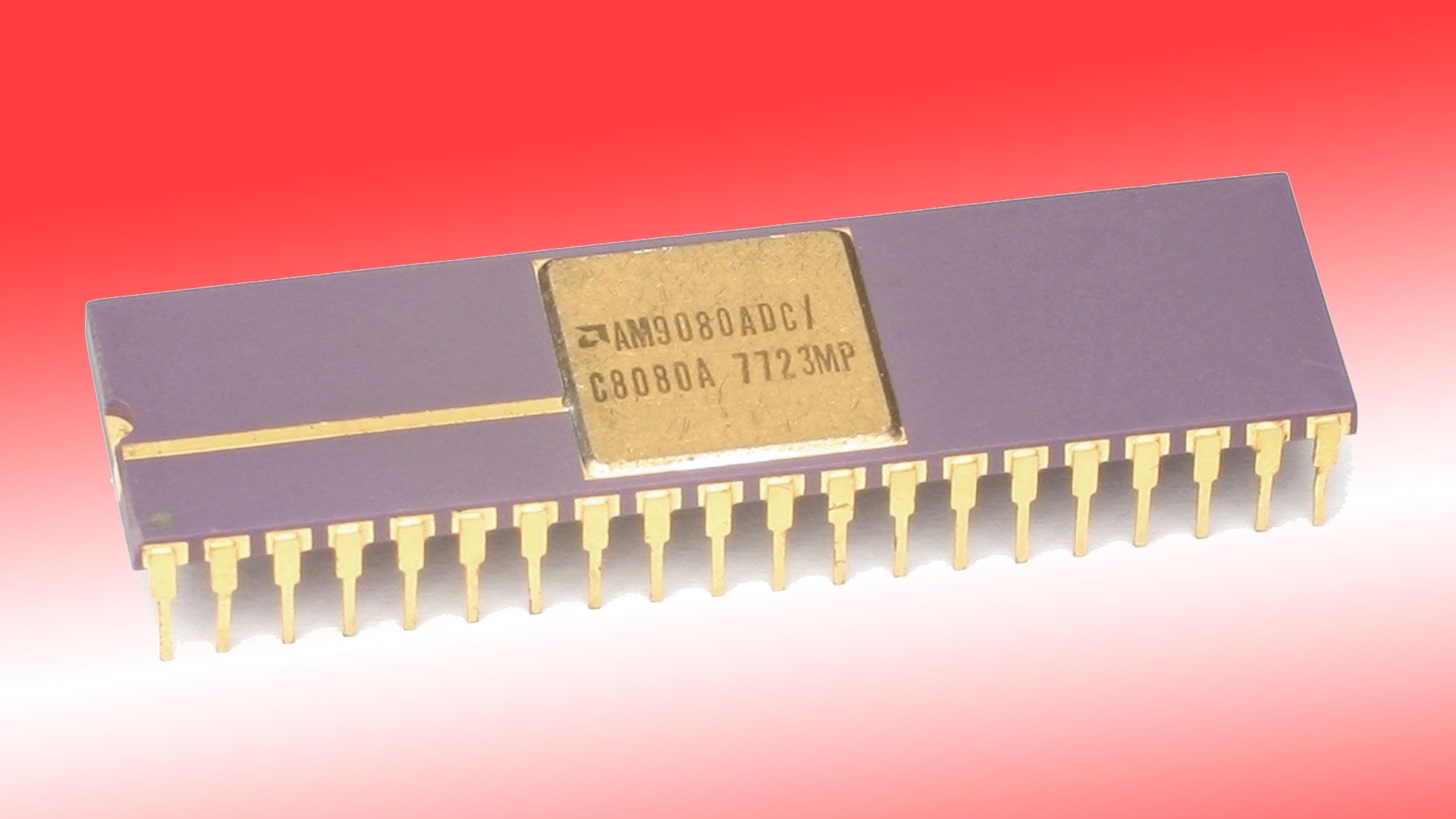
The chip which paved the way for AMD’s illustrious future, eventually creating some of data-analytics-id=”inline-link” href=”https://www.tomshardware.com/reviews/best-cpus,3986.html” data-before-rewrite-localise=”https://www.tomshardware.com/reviews/best-cpus,3986.html”>the best CPUs we’ve ever tested, entered mass production 50 years ago. AMD’s data-analytics-id=”inline-link” href=”https://en.wikichip.org/wiki/amd/am9080″ data-url=”https://en.wikichip.org/wiki/amd/am9080″ target=”_blank” referrerpolicy=”no-referrer-when-downgrade” data-hl-processed=”none”>Am9080 had something of a shady origin, as it was a reverse-engineered and cloned data-analytics-id=”inline-link” href=”https://www.tomshardware.com/news/rosetta-2-secret-extension” data-before-rewrite-localise=”https://www.tomshardware.com/news/rosetta-2-secret-extension”>Intel 8080. However, due to the importance of second-sourcing among organizations that would end up buying boatloads of 8080 microprocessors (e.g., the military), Intel and AMD eventually reached a licensing agreement, and the rest, as they say, is history.
id=”elk-7060fe63-8de0-49e6-b61b-25ea0d3205e0″ href=”” data-url=”” target=”_blank” referrerpolicy=”no-referrer-when-downgrade” data-hl-processed=”none”/>


