
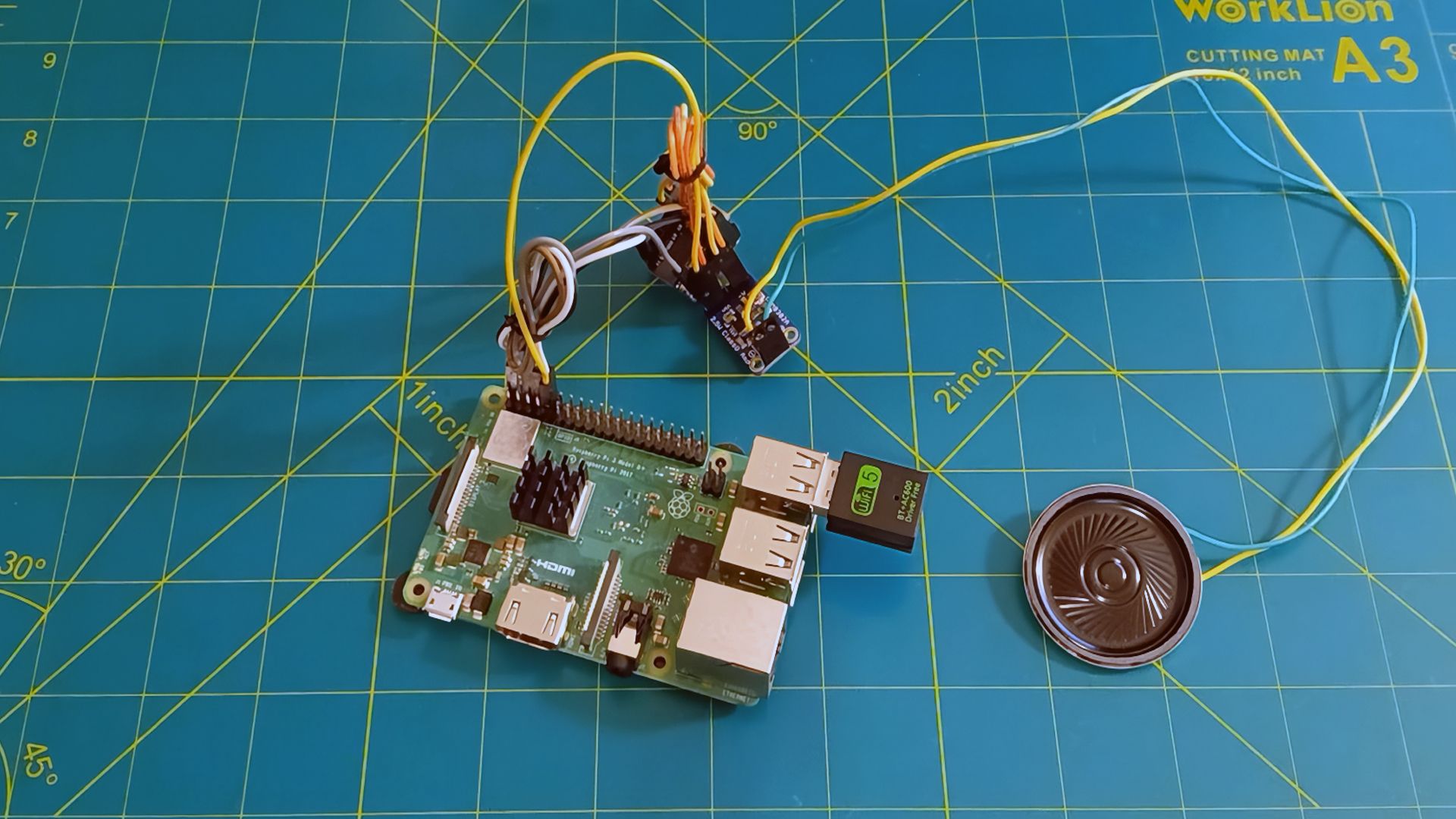
The data-analytics-id=”inline-link” href=”https://www.tomshardware.com/service-providers/network-providers/aols-dial-up-internet-service-killed-with-a-final-modem-screech-this-week-after-34-years-america-online-goes-offline-but-other-dual-up-services-still-exist” data-before-rewrite-localise=”https://www.tomshardware.com/service-providers/network-providers/aols-dial-up-internet-service-killed-with-a-final-modem-screech-this-week-after-34-years-america-online-goes-offline-but-other-dual-up-services-still-exist”>end of dial-up internet means future generations will no longer hear the iconic screech of the dial-up handshake. However, YouTube creator data-analytics-id=”inline-link” href=”https://www.youtube.com/watch?v=OxAJHiVkBEM” data-url=”https://www.youtube.com/watch?v=OxAJHiVkBEM” target=”_blank” referrerpolicy=”no-referrer-when-downgrade” data-hl-processed=”none”>Nick Bild did not want this experience to be lost to history, so he used a Raspberry Pi 3 and a USB Wi-Fi adapter to gather network traffic and convert it into an analog signal that is blasted out of a small speaker. According to Bild’s data-analytics-id=”inline-link” href=”https://hackaday.io/project/204286-making-wi-fi-sound-like-dial-up-internet” data-url=”https://hackaday.io/project/204286-making-wi-fi-sound-like-dial-up-internet” target=”_blank” referrerpolicy=”no-referrer-when-downgrade” data-hl-processed=”none”>Hackaday project, he had to add random amplitude and frequency adjustments to make the output sound more interesting, but all…


