
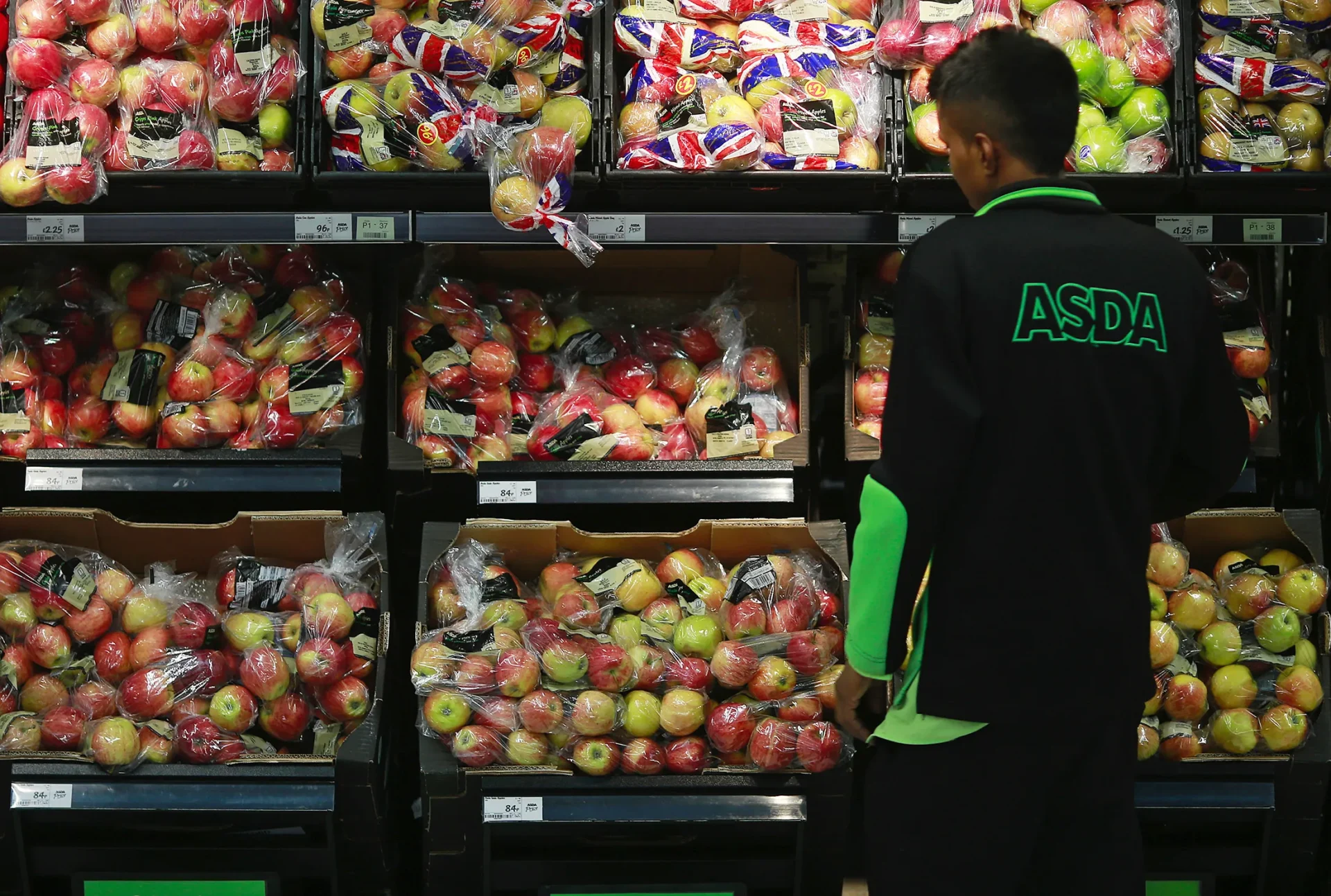
Asda Sells Supermarkets in Latest Financial Strategy
Supermarket giant Asda has announced the sale of 24 stores and a distribution centre in a move to raise £568 million, as part of a major restructuring effort to tackle its growing debt. The Asda sale comes as the retailer continues to struggle with falling sales and declining market share despite recent price-cutting efforts.
The Leeds-based chain confirmed that it will lease back the sold properties, meaning operations will continue as usual for customers and staff. Analysts, however, view the decision as a potential sign of financial strain rather than strength.
Asda Blue Owl Deal and Store Sell-Off
According to The Guardian, the properties involved in the sale have been acquired by DTZ Investors and Blue Owl Capital, in what analysts are calling the Asda Blue Owl deal. The sale-and-leaseback transaction allows Asda to access cash while maintaining operational control of its stores.
Asda stated that the move is part of a long-term strategy to “unlock value” from its property portfolio. A company spokesperson said the group is focused on “maintaining a strong freehold base while selectively realizing value where appropriate.”
Despite this optimistic tone, market experts warn that the Asda sale could increase lease liabilities and reduce financial flexibility.
Falling Sales and Market Share
The announcement comes amid worrying financial figures for the supermarket chain. Data from Worldpanel by Numerator shows that Asda’s sales fell 3.9 percent in the three months leading to November 2, 2025, marking another decline in market share compared to last year.
Even though Asda has implemented aggressive price cuts under its new chair Allan Leighton, the measures have yet to yield the desired results. Rivals such as Tesco, Aldi, and Lidl continue to outperform Asda in key categories, further eroding the retailer’s position in the competitive UK grocery market.
Clive Black, a retail analyst at Shore Capital, described the situation as “a sign of weakness.” He noted that selling tangible fixed assets during a downturn could limit future growth. “If trading was strong, such deals could be justified, but at the moment, Asda’s trading environment looks very tight,” Black explained.
Debt and Ownership Challenges
The Asda sale follows several similar deals over recent years. In 2021, the company sold most of its warehouses for £1.7 billion, followed by another sale of 25 supermarkets for £650 million in 2023. The latest transaction adds to a pattern of asset disposals aimed at easing the company’s debt burden.
Asda’s debt stems largely from the £6.8 billion leveraged buyout in 2020 led by the Issa brothers and private equity firm TDR Capital. After a series of ownership changes, TDR Capital now holds a controlling stake, while Mohsin Issa retains about 22 percent of the business. Walmart, the company’s former owner, still owns 10 percent.
Credit analysts have raised concerns that the proceeds from the Asda sale will not significantly improve the company’s long-term financial position. Amarveer Singh of CreditSights warned that the funds are being used mainly to pay off a debt owed to Walmart, rather than reinvesting in business development or reducing core borrowings.
Union and Market Reactions
The GMB union, which represents thousands of Asda employees, expressed deep concern over the latest store sell-off. Union officer Nadine Houghton said the company’s mounting debt and growing lease obligations are creating instability for workers.
“Debt is up, lease liabilities are up, and interest payments are up, but market share and staff morale are rock bottom,” Houghton said. “Asda was once one of the UK’s biggest retailers. The question now is, where will it all end?”
Retail experts say that while the Asda Blue Owl deal provides short-term liquidity, it may also increase future financial pressure due to rising rent costs. With sales continuing to slide, the company could face tighter margins in the coming quarters.
What the Future Holds for Asda
The retailer operates 579 supermarkets, 517 Express convenience stores, and 29 Asda Living outlets across the UK. Despite its scale, Asda has been unable to reverse its downward trend in recent years.
Chairman Allan Leighton, appointed earlier this year, has promised to strengthen the company’s market position through renewed investment in pricing and store improvements. However, analysts say Asda needs a more aggressive turnaround strategy to regain customer trust and competitiveness.
Patrick O’Brien of GlobalData commented that Asda’s price initiatives have not been bold enough to make an impact. “There was a feeling that Asda was really going to bring out the big guns, but we have not seen that aggressiveness on price yet,” he said.
Conclusion
The Asda sale of 24 stores to Blue Owl Capital and DTZ Investors highlights both the challenges and the risks facing one of Britain’s most iconic supermarket chains. While the deal raises much-needed funds, it also raises fresh concerns about the retailer’s long-term stability.
Asda’s leadership faces growing pressure to turn around sales and restore confidence among investors, staff, and shoppers alike. For now, the company remains caught between balancing debt reduction and maintaining competitiveness in a fast-changing retail landscape.For more updates on business and retail news, visit StartupNews.fyi.


