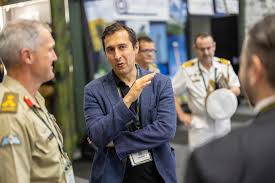
DroneShield CEO Oleg Vornik Defends $50 Million Share Sale, Citing ‘Risk to Life’

Share via:

Oleg Vornik’s Personal Safety Concerns Amid Soaring DroneShield Success

In a striking revelation, DroneShield CEO Oleg Vornik has defended his decision to sell approximately $50 million worth of company shares, claiming the move was prompted by concerns for his personal safety and life risk. The statement comes amid increased attention on the Australian defense technology company, whose counter-drone solutions have seen surging demand from governments and military clients worldwide.

According to a report by the Australian Financial Review (AFR), the announcement was made as part of a broader market update highlighting Australia’s stock market rebound following a $40 billion wipeout the previous week. While the ASX recovered sharply, it was Vornik’s justification for his share sale that drew widespread attention and debate among investors.

A High-Stakes Decision from DroneShield’s Leadership

DroneShield, which specializes in anti-drone and electronic warfare technology, has been a standout performer on the ASX throughout 2025. Its products have been deployed in multiple conflict zones, including Ukraine and the Middle East, positioning the company as a critical player in modern defense infrastructure.

Vornik’s explanation that his “life was at risk” due to the nature of the company’s operations underscores the growing intersection between corporate leadership and global security threats. As CEO of a firm deeply embedded in international defense contracts, his decision to liquidate part of his holdings reportedly follows security advisories linked to his high-profile position.

Industry analysts noted that such disclosures are unusual but not unprecedented in defense and intelligence sectors. The AFR report suggests Vornik’s statement was aimed at maintaining transparency with shareholders after questions arose regarding the timing and scale of his share sale.

DroneShield’s Market Momentum Continues

Despite the headlines surrounding its CEO, DroneShield continues to perform strongly on the ASX. The company’s shares have risen more than 40 percent year-to-date, driven by a wave of new contracts with Western defense agencies and the global proliferation of low-cost unmanned aerial vehicles (UAVs).

Analysts from major financial institutions, including UBS and Morgan Stanley, have maintained positive outlooks on DroneShield’s growth trajectory. The firm’s ability to provide real-time threat detection systems against drones has become increasingly vital as global militaries modernize their surveillance and countermeasure capabilities.

The AFR article also pointed out that BHP’s ongoing takeover saga with Anglo American and other major market movements contributed to a volatile trading day, but DroneShield remained one of the standout defense tech stories in the Australian market.

Balancing Growth and Personal Safety

For Oleg Vornik, the challenge now extends beyond company performance. Balancing personal risk, investor confidence, and corporate governance will be crucial as the firm enters its next phase of expansion.

Market observers have generally expressed understanding toward Vornik’s rationale, noting that his continued leadership and strategic direction remain vital to DroneShield’s momentum. The company has been at the forefront of Australia’s defense innovation push, aligning with government efforts to strengthen national security capabilities.

Conclusion

The situation surrounding DroneShield CEO Oleg Vornik highlights the complex realities faced by leaders in the global defense technology sector. While investors may debate the optics of his $50 million share sale, his transparency about the personal risks associated with operating in a high-threat industry brings an unusual human dimension to corporate finance and leadership.

As DroneShield continues to expand globally, the company remains a key symbol of Australia’s growing presence in the defense technology ecosystem and a reminder that innovation and personal safety sometimes exist in delicate balance.

Stay informed with the latest business and market updates at StartupNews.FYI.

Disclaimer

We strive to uphold the highest ethical standards in all of our reporting and coverage. We StartupNews.fyi want to be transparent with our readers about any potential conflicts of interest that may arise in our work. It’s possible that some of the investors we feature may have connections to other businesses, including competitors or companies we write about. However, we want to assure our readers that this will not have any impact on the integrity or impartiality of our reporting. We are committed to delivering accurate, unbiased news and information to our audience, and we will continue to uphold our ethics and principles in all of our work. Thank you for your trust and support.

Popular

More Like this

DroneShield CEO Oleg Vornik Defends $50 Million Share Sale, Citing ‘Risk to Life’

Oleg Vornik’s Personal Safety Concerns Amid Soaring DroneShield Success

In a striking revelation, DroneShield CEO Oleg Vornik has defended his decision to sell approximately $50 million worth of company shares, claiming the move was prompted by concerns for his personal safety and life risk. The statement comes amid increased attention on the Australian defense technology company, whose counter-drone solutions have seen surging demand from governments and military clients worldwide.

According to a report by the Australian Financial Review (AFR), the announcement was made as part of a broader market update highlighting Australia’s stock market rebound following a $40 billion wipeout the previous week. While the ASX recovered sharply, it was Vornik’s justification for his share sale that drew widespread attention and debate among investors.

A High-Stakes Decision from DroneShield’s Leadership

DroneShield, which specializes in anti-drone and electronic warfare technology, has been a standout performer on the ASX throughout 2025. Its products have been deployed in multiple conflict zones, including Ukraine and the Middle East, positioning the company as a critical player in modern defense infrastructure.

Vornik’s explanation that his “life was at risk” due to the nature of the company’s operations underscores the growing intersection between corporate leadership and global security threats. As CEO of a firm deeply embedded in international defense contracts, his decision to liquidate part of his holdings reportedly follows security advisories linked to his high-profile position.

Industry analysts noted that such disclosures are unusual but not unprecedented in defense and intelligence sectors. The AFR report suggests Vornik’s statement was aimed at maintaining transparency with shareholders after questions arose regarding the timing and scale of his share sale.

DroneShield’s Market Momentum Continues

Despite the headlines surrounding its CEO, DroneShield continues to perform strongly on the ASX. The company’s shares have risen more than 40 percent year-to-date, driven by a wave of new contracts with Western defense agencies and the global proliferation of low-cost unmanned aerial vehicles (UAVs).

Analysts from major financial institutions, including UBS and Morgan Stanley, have maintained positive outlooks on DroneShield’s growth trajectory. The firm’s ability to provide real-time threat detection systems against drones has become increasingly vital as global militaries modernize their surveillance and countermeasure capabilities.

The AFR article also pointed out that BHP’s ongoing takeover saga with Anglo American and other major market movements contributed to a volatile trading day, but DroneShield remained one of the standout defense tech stories in the Australian market.

Balancing Growth and Personal Safety

For Oleg Vornik, the challenge now extends beyond company performance. Balancing personal risk, investor confidence, and corporate governance will be crucial as the firm enters its next phase of expansion.

Market observers have generally expressed understanding toward Vornik’s rationale, noting that his continued leadership and strategic direction remain vital to DroneShield’s momentum. The company has been at the forefront of Australia’s defense innovation push, aligning with government efforts to strengthen national security capabilities.

Conclusion

The situation surrounding DroneShield CEO Oleg Vornik highlights the complex realities faced by leaders in the global defense technology sector. While investors may debate the optics of his $50 million share sale, his transparency about the personal risks associated with operating in a high-threat industry brings an unusual human dimension to corporate finance and leadership.

As DroneShield continues to expand globally, the company remains a key symbol of Australia’s growing presence in the defense technology ecosystem and a reminder that innovation and personal safety sometimes exist in delicate balance.

Stay informed with the latest business and market updates at StartupNews.FYI.

Disclaimer

We strive to uphold the highest ethical standards in all of our reporting and coverage. We StartupNews.fyi want to be transparent with our readers about any potential conflicts of interest that may arise in our work. It’s possible that some of the investors we feature may have connections to other businesses, including competitors or companies we write about. However, we want to assure our readers that this will not have any impact on the integrity or impartiality of our reporting. We are committed to delivering accurate, unbiased news and information to our audience, and we will continue to uphold our ethics and principles in all of our work. Thank you for your trust and support.

Website Upgradation is going on for any glitch kindly connect at office@startupnews.fyi

More like this

IShowSpeed becomes the newest Fortnite Icon in holiday surprise...

The Fortnite universe has welcomed one of the...

Today’s NYT Mini Crossword Answers for Dec. 25

Looking for the most recent Mini Crossword answer? Click here for today's...

Popular


