
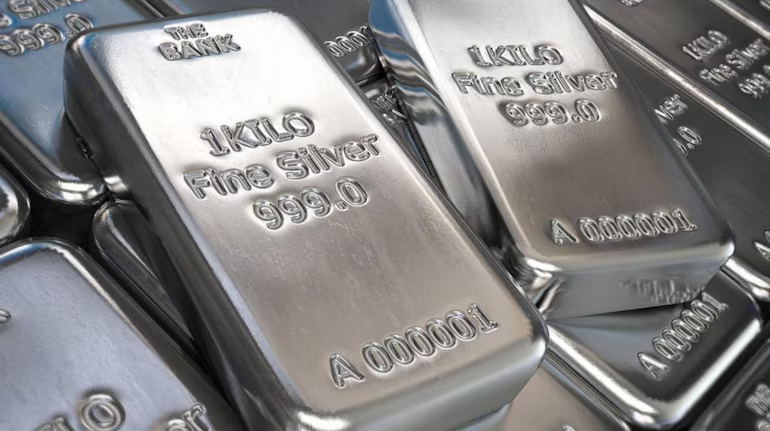
Silver prices are drawing renewed attention in January 2026 as investors weigh inflation expectations, interest rate outlooks, and growing industrial demand. While silver remains more volatile than gold, analysts say a mix of macroeconomic forces and clean-energy usage could shape its near-term price direction. Understanding these drivers is key for investors considering silver this month.
Introduction
The price of silver has entered January 2026 with heightened interest from both investors and industrial buyers. After a volatile end to 2025, silver is once again being discussed as a potential hedge, a speculative trade, and a critical industrial metal.
According to reporting from CBS News, silver’s outlook this month is being shaped by a combination of economic uncertainty, monetary policy expectations, and structural demand trends that go beyond traditional precious-metal investing.
Where Silver Prices Stand in January 2026
Silver prices have been trading within a relatively wide range compared to gold, reflecting its dual role as both:
- A precious metal investment
- A key industrial input
Market data cited by CBS News shows that silver entered January 2026 near recent highs, following fluctuations driven by interest rate signals and broader commodity market movements.
Unlike gold, silver tends to experience sharper price swings, making it more sensitive to short-term economic data and investor sentiment.
Key Factors Influencing Silver Prices This Month
1. Interest Rates and Inflation Expectations
One of the biggest drivers of silver prices in January is the outlook for interest rates. When rates are expected to fall or stabilize, non-yielding assets like silver often become more attractive.
Inflation concerns also play a role. If inflation remains sticky, investors may turn to precious metals as a store of value. However, rising real yields can put pressure on silver prices by increasing the appeal of interest-bearing assets.
2. Industrial Demand Is Becoming More Important
Silver’s industrial role continues to grow, especially in sectors such as:
- Solar panel manufacturing
- Electronics and semiconductors
- Electric vehicles and batteries
This industrial demand adds a layer of support to silver prices that gold does not share. Analysts note that clean-energy policies and infrastructure investment could sustain long-term demand, even if investment demand fluctuates.
3. U.S. Dollar Strength
Silver prices typically move inversely to the U.S. dollar. A stronger dollar can make silver more expensive for international buyers, reducing demand and pressuring prices.
January currency movements are therefore being closely watched, particularly in response to economic data releases and central bank commentary.
Silver vs. Gold: Why Volatility Matters
Silver is often compared to gold, but the two metals behave differently. Silver’s smaller market size and heavier industrial use make it:
- More volatile during market swings
- More responsive to economic growth expectations
This volatility can amplify gains during bullish periods but also increase downside risk during market pullbacks. Investors considering silver in January should factor in this higher risk profile.
Is Silver a Good Investment Right Now?
Financial experts quoted by CBS News emphasize that silver may appeal to certain types of investors, including:
- Those seeking diversification beyond stocks and bonds
- Investors comfortable with short-term price swings
- Long-term holders focused on industrial growth trends
However, silver is generally viewed as a complement, not a replacement, for more stable assets in a diversified portfolio.
Ways Investors Gain Exposure to Silver
Investors looking at silver in January 2026 typically consider several approaches:
- Physical silver, such as coins or bars
- Exchange-traded funds (ETFs) backed by silver
- Mining stocks tied to silver production
Each option carries different risks, costs, and liquidity considerations, making due diligence essential before investing.
Risks to Watch This January
Despite positive demand trends, silver prices face several risks:
- Faster-than-expected interest rate hikes
- A stronger U.S. dollar
- Slowing global industrial activity
Because silver reacts quickly to macroeconomic changes, even small shifts in expectations can result in outsized price movements.
What Analysts Are Watching Next
Looking ahead, market observers are focused on:
- Central bank policy signals
- Inflation data releases
- Industrial production and clean-energy investment trends
These indicators will likely determine whether silver sustains its momentum or faces renewed pressure as January progresses.
Conclusion
The price of silver in January 2026 reflects a complex mix of investment demand, industrial usage, and macroeconomic uncertainty. While silver offers potential upside tied to clean-energy growth and inflation hedging, it also comes with higher volatility than many traditional assets.
For investors, understanding these dynamics — rather than reacting to short-term price moves — is critical. Silver may continue to play an important role in diversified portfolios, but careful timing and risk management remain essential.
Key Highlights
- Silver prices are influenced by interest rates, inflation, and industrial demand
- Clean-energy and electronics sectors are driving long-term usage
- Silver remains more volatile than gold
- Investors should weigh risks alongside diversification benefits


