
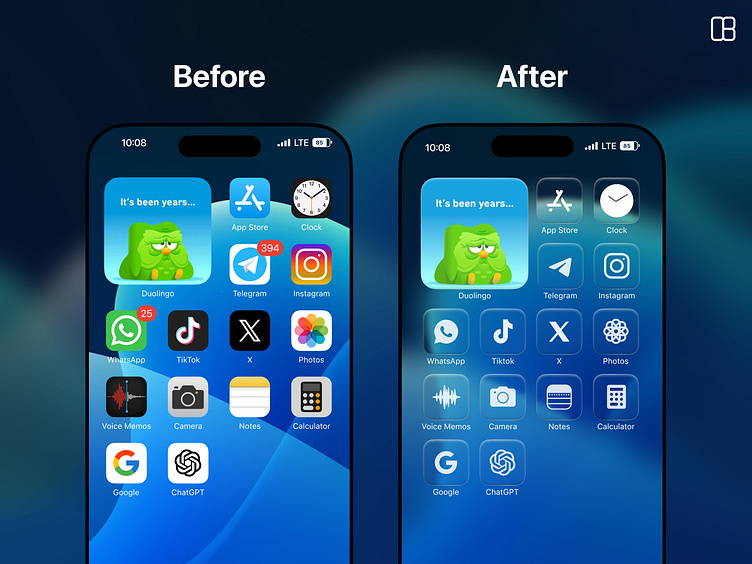
Four months after its public release, iOS 26 is shaping up to be one of Apple’s slowest-adopted iPhone updates in years. Despite the company’s well-oiled update pipeline and long-standing reputation for rapid OS uptake, the latest version is being met with an unusually firm collective shrug from users.
According to January 2026 data from StatCounter, only around 15% of iPhone users have installed some version of iOS 26. That’s a stark contrast to previous cycles. At roughly the same point after launch, iOS 18 was running on about 63% of iPhones, while iOS 17 and iOS 16 each cleared the 50% mark with ease. By historical standards, iOS 26 isn’t just underperforming — it’s an outlier.
And that’s happening despite the fact that Apple has made updating an iPhone almost frictionless.
Apple Made Updating Easy — Users Still Said No
One of Apple’s biggest software advantages has always been adoption. Updates are delivered directly through the Settings app, require minimal effort, and arrive simultaneously across regions and carriers. Even older devices are typically supported for years, ensuring millions of users can jump onto the latest version on day one.
That system hasn’t changed. What has changed is user enthusiasm.
Unlike past updates that introduced features people broadly accepted — or at least tolerated — iOS 26 landed with a design overhaul that immediately polarized the iPhone community.
Liquid Glass: The Design That Divided iPhone Users
The defining feature of iOS 26 is Liquid Glass, Apple’s most dramatic interface redesign in years. The new look leans heavily into translucency, layered depth, and fluid motion. Control Center panels, menus, and pop-ups appear semi-transparent, giving the impression of peering through glass at content beneath.
For some users, it’s sleek, modern, and visually expressive. For others, it’s distracting, harder to read, and unnecessarily flashy.
Online reaction has been intense. Social media platforms are filled with users describing the UI as fatiguing or overdesigned. Some complain about reduced contrast, while others simply don’t like how familiar elements now look and behave. The fact that Alan Dye, the Apple executive closely associated with the redesign, exited the company amid the backlash only added fuel to the narrative that Liquid Glass may have gone too far.
There are fans, and polls show a meaningful minority enjoying the new aesthetic. But for the majority, hesitation has translated into inaction — they’ve simply chosen not to update.
A Quiet Form of Protest: Staying Put
Apple doesn’t force major iOS updates, and users know it. Despite occasional claims online that phones “updated themselves overnight,” the company doesn’t auto-install major versions without consent. As a result, many iPhone owners are choosing to remain on iOS 18 indefinitely.
This kind of silent resistance is rare for Apple. Historically, even controversial changes eventually gained momentum as users adapted. With iOS 26, that momentum hasn’t materialized — at least not yet.
Some users are actively disabling automatic updates to avoid Liquid Glass altogether. Others are waiting to see if Apple tones down the design in a future point release. And many appear content sticking with a familiar interface that “just works.”
The Security Trade-Off
There’s a catch to staying behind. Major iOS updates aren’t just about design or features — they also deliver the latest security protections. By avoiding iOS 26, users are also opting out of newer patches and safeguards.
Apple continues to issue limited security fixes for older versions, but the most comprehensive protections are reserved for the current OS. That leaves holdouts with a decision: live with a design they dislike, or accept increased security risk.
Some users are hoping Apple offers a middle ground — keeping the under-the-hood improvements while allowing Liquid Glass to be toned down or disabled more completely.
What Happens Next?
Apple rarely reverses course outright, but it does refine. If adoption remains stalled into the spring, iOS 26 could see visual adjustments aimed at readability and comfort, especially as feedback continues to pile up.
For now, the numbers tell a clear story. iOS 26 isn’t being ignored — it’s being consciously avoided. And in an ecosystem where rapid adoption is usually a given, that alone makes this update one of the most unusual chapters in the iPhone’s software history.



