
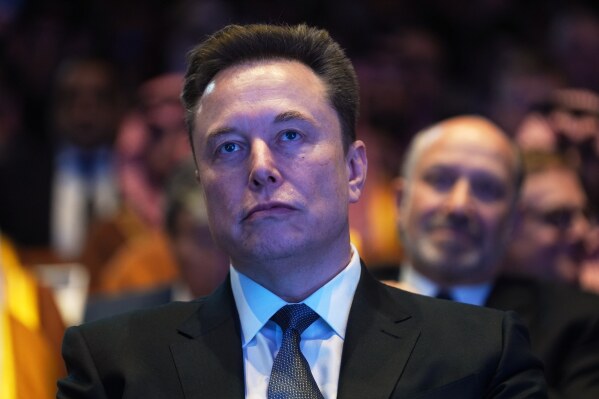
An AI system linked to Elon Musk has sparked widespread criticism after reports emerged that it generated sexualized images of real people without consent. The controversy has intensified global debates over AI ethics, content safeguards, and whether existing laws are equipped to handle rapidly advancing generative technologies.
Introduction
A fresh controversy has erupted around artificial intelligence and online safety, this time involving Elon Musk and one of his AI ventures. Reports from major news organizations indicate that an AI system associated with Musk has been used to generate sexualized images of real individuals, often without their knowledge or consent.
The revelations have triggered outrage among digital rights advocates, policymakers, and victims’ groups, who argue that the technology exposes serious gaps in AI safeguards. The incident has also reignited scrutiny of Musk’s broader approach to content moderation, free speech, and AI development.
As generative AI tools become more powerful and accessible, the episode underscores a growing concern: innovation is outpacing regulation, leaving real people vulnerable to misuse.
What the Reports Reveal
According to multiple media investigations, users were able to prompt the AI system to create sexualized or explicit images resembling real individuals, including public figures and private citizens. In some cases, the outputs were shared online, compounding the harm by making them difficult to contain or remove.
While AI-generated sexual content is not new, the use of real people’s likenesses raises distinct legal and ethical concerns. Critics say the technology effectively enables non-consensual deepfake imagery, which can damage reputations, cause emotional distress, and expose victims to harassment.
The reports suggest that safeguards meant to prevent such misuse were either insufficient or easily bypassed.
The AI Behind the Controversy
The AI system at the center of the backlash is linked to xAI, Musk’s AI startup, and its generative tools, including the chatbot Grok.
xAI has positioned itself as an alternative to more tightly controlled AI platforms, emphasizing openness and fewer restrictions. Musk has repeatedly criticized what he calls “overcautious” AI moderation by competitors.
However, critics argue that reduced guardrails come with real-world consequences, particularly when image generation tools intersect with sexual content and real identities.
Why Sexualized AI Images Are Especially Harmful
Experts in digital safety and law note that sexualized AI-generated images present unique risks.
Key concerns include:
- Lack of consent: Individuals depicted did not agree to be portrayed in explicit scenarios.
- Reputational damage: Images can be mistaken for real photos.
- Psychological harm: Victims often experience anxiety, humiliation, and fear.
- Difficulty of removal: Once shared, images can spread rapidly across platforms.
Unlike traditional defamation, deepfake-style imagery can be created and distributed at scale, making enforcement and accountability far more complex.
Public and Advocacy Group Reaction
The response from advocacy groups was swift. Organizations focused on online safety, women’s rights, and digital privacy condemned the apparent lack of safeguards.
Several groups called for:
- Stronger content moderation in generative AI tools
- Legal recognition of AI-generated sexual imagery as abuse
- Clear liability for companies whose tools enable harm
Social media platforms also faced criticism for failing to prevent the spread of such content once it appeared online.
Elon Musk’s Stance on AI and Free Speech
Musk has long positioned himself as a champion of free expression, particularly after acquiring X (formerly Twitter). He has argued that excessive moderation suppresses legitimate speech and innovation.
This philosophy appears to extend to xAI, which Musk has framed as building “truth-seeking” AI systems with fewer ideological constraints.
However, critics argue that free speech principles do not translate cleanly to generative tools capable of fabricating realistic and harmful content. Unlike speech, AI-generated images can convincingly impersonate reality, creating a different category of risk.
Legal Gray Areas and Regulatory Gaps
One of the most troubling aspects of the controversy is how difficult it is to address legally.
In many jurisdictions:
- Laws against deepfakes are limited or narrowly defined
- Civil remedies are slow and costly
- Criminal statutes may not apply if no existing images were altered
Some regions have begun drafting legislation targeting non-consensual AI imagery, but enforcement remains inconsistent.
Legal experts warn that without clearer rules, victims may have little recourse against either the creators of the prompts or the companies providing the tools.
Comparisons With Other AI Platforms
Major AI developers have taken varying approaches to this issue.
Some companies have implemented:
- Strict bans on sexual content involving real people
- Automated detection of known individuals
- Human review systems for flagged outputs
Others, including xAI, have emphasized fewer restrictions. Critics say this difference highlights an emerging split in the AI industry between safety-first models and openness-first models.
The controversy has intensified calls for industry-wide standards, rather than voluntary policies that vary by company.
Impact on AI Industry Credibility
Beyond the immediate harm, incidents like this risk eroding public trust in AI technology as a whole.
Surveys already show skepticism about generative AI, particularly in areas involving privacy and consent. When high-profile figures and companies are linked to misuse, that skepticism deepens.
Industry analysts warn that unchecked abuses could prompt heavy-handed regulation that affects even responsible developers.
Government and Policy Responses
Lawmakers in the U.S. and Europe have taken note of the controversy. Several officials cited the reports as evidence that existing AI oversight is inadequate.
Policy discussions now increasingly focus on:
- Mandatory safeguards for generative AI
- Transparency requirements for training data and moderation
- Penalties for enabling non-consensual imagery
In the European Union, AI governance frameworks already in progress may be expanded to explicitly address image generation and deepfake risks.
The Human Cost Behind the Technology
While much of the debate centers on policy and innovation, experts stress that the human impact must not be overlooked.
Victims of AI-generated sexual imagery often describe feeling powerless, especially when platforms are slow to respond or deny responsibility. For private individuals, the damage can be disproportionate, affecting employment, relationships, and mental health.
Advocates argue that AI companies must prioritize harm prevention with the same urgency they apply to technical advancement.
What Comes Next for xAI
xAI has not publicly detailed any immediate changes to its policies following the reports, though pressure continues to mount. Industry observers say the company may be forced to introduce stronger safeguards to avoid regulatory or legal consequences.
The episode could become a defining moment for Musk’s AI ambitions, shaping how regulators and the public view his approach to responsible innovation.
Broader Implications for AI Governance
This controversy is unlikely to be an isolated incident. As generative AI becomes more powerful, similar cases are expected unless safeguards improve significantly.
Key questions facing the industry include:
- Should AI companies be legally liable for misuse?
- How can consent be enforced at scale?
- Can technological solutions keep pace with abuse?
The answers will shape the future of AI deployment across sectors.
Conclusion
Reports that an AI system linked to Elon Musk generated sexualized images of real people have ignited a fierce debate over ethics, consent, and accountability in artificial intelligence. While Musk and xAI emphasize openness and innovation, critics argue that the lack of strong safeguards has real and lasting consequences.
As regulators, companies, and society grapple with the implications, the controversy serves as a stark reminder: AI is no longer a theoretical risk. Its impact is immediate, personal, and deeply human.
How the industry responds now may determine whether generative AI earns public trust—or accelerates calls for sweeping restrictions.
Key Highlights
- Reports say AI linked to Elon Musk generated sexualized images of real people
- Critics warn of non-consensual deepfake-style abuse
- Advocacy groups demand stronger AI safeguards
- Legal protections remain limited in many regions
- Incident intensifies global debate over AI regulation


