

CES 2026 is underway in Las Vegas, bringing together tech giants like LG and Samsung alongside hundreds of startups unveiling bold ideas, experimental gadgets, and next-generation consumer technology. From AI-powered TVs and laptops to strange prototypes and unexpected innovations, this year’s Consumer Electronics Show highlights both where the industry is headed—and how weird it’s still willing to get.
Introduction
Every January, the global technology industry descends on Las Vegas to set the tone for the year ahead. CES 2026 is no exception. The annual Consumer Electronics Show has once again transformed convention halls, hotel ballrooms, and temporary exhibit spaces into a sprawling showcase of innovation.
Organized by the CTA (Consumer Technology Association), CES 2026 brings together established tech giants, ambitious startups, investors, and media from around the world. This year’s show is defined by a mix of polished AI-driven products, incremental upgrades to familiar categories, and the unmistakable CES tradition of strange, experimental tech.
From headline-grabbing announcements by LG and Samsung to quirky prototypes emerging from startup booths, CES 2026 offers a snapshot of an industry balancing maturity with imagination.
AI Everywhere, but Quieter Than Before
Artificial intelligence dominates CES 2026, but not in the loud, buzzword-heavy way of previous years. Instead, AI is woven quietly into nearly every category.
Across the show floor, companies are emphasizing:
- On-device AI for speed and privacy
- Context-aware personalization
- Automation that works in the background
Rather than selling “AI” as a feature, brands are selling better experiences powered by AI. This shift reflects a more mature approach, as consumers grow wary of hype and demand tangible benefits.
LG at CES 2026: Displays, Design, and AI Integration
LG’s CES presence once again revolves around displays—but with a clear evolution in how screens are used.
TVs That Adapt Automatically
LG showcased its latest OLED and advanced display technologies, emphasizing AI-driven picture and sound optimization. These TVs analyze content in real time, adjusting brightness, contrast, and audio profiles without user input.
Key themes from LG include:
- Smarter upscaling of older content
- Improved energy efficiency
- Design-forward displays that blend into living spaces
LG continues to position the TV not just as an entertainment device, but as a central hub for smart homes and ambient computing.
Transparent and Concept Displays
LG also leaned into CES tradition with concept displays, including transparent screens and flexible panels. While these products are not aimed at mass markets yet, they demonstrate how screens could evolve beyond traditional rectangles mounted on walls.
Samsung’s CES 2026 Vision: Ecosystems and Intelligence
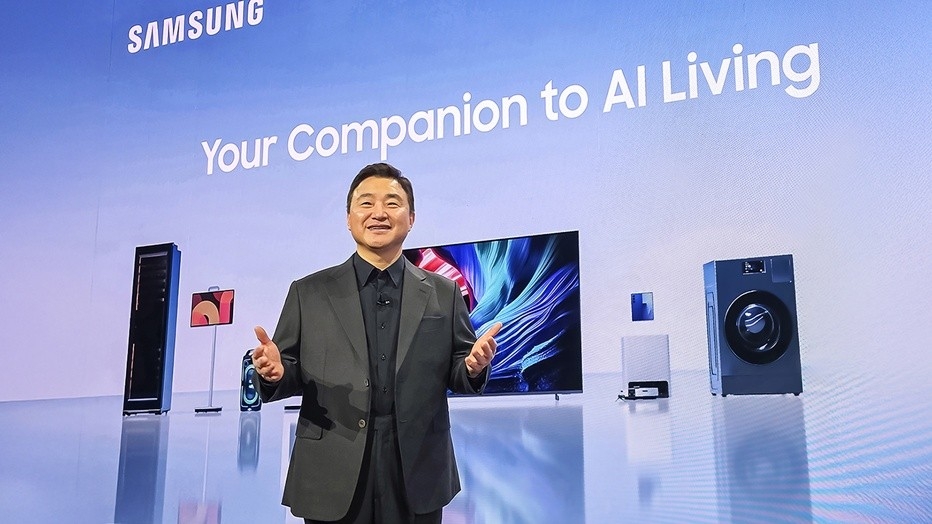
Samsung’s CES strategy focuses less on individual products and more on connected ecosystems.
AI-Powered TVs and Smart Displays
Samsung’s latest TVs emphasize AI-powered enhancements similar to LG’s, but with deeper integration into the company’s broader ecosystem.
Features highlighted include:
- Cross-device synchronization
- Smarter recommendations based on household behavior
- Enhanced gaming and streaming experiences
Samsung continues to frame the TV as a smart display, capable of showing information, art, and home controls when not actively streaming content.
Home Appliances Get Smarter
Beyond TVs, Samsung showcased smart appliances that leverage AI to optimize energy use, predict maintenance needs, and adapt to user habits.
The emphasis is on automation without friction, reducing the need for manual setup or constant interaction.
The Laptop and PC Shift: AI PCs Take Over CES 2026
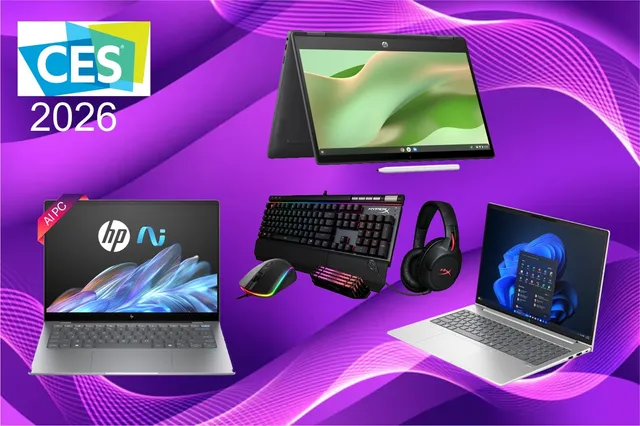
While CES is not traditionally known for flagship phone launches, it has become a major venue for PC innovation—and 2026 reinforces that trend.
AI PCs Become the Standard
Laptop makers across the show floor are embracing the “AI PC” concept: devices built with dedicated AI acceleration hardware.
These laptops enable:
- Live transcription and translation
- Intelligent battery and performance tuning
- Local AI processing without constant cloud access
Chipmakers like Intel and AMD are central to this shift, promoting processors designed specifically for AI workloads.
The result is a generation of laptops that promise better performance without sacrificing portability or battery life.
Startups Steal the Spotlight in Eureka Park
While LG and Samsung dominate headlines, CES 2026’s startup zones—particularly Eureka Park—remain one of the most compelling parts of the show.
Where New Ideas Emerge
Startups at CES 2026 are tackling a wide range of problems, including:
- Health and wellness monitoring
- Climate and sustainability solutions
- AI tools for small businesses
- Accessibility-focused technology
Many of these companies operate with limited budgets but big ideas, often using CES as their first opportunity to reach a global audience.
From Prototype to Product
Not every startup gadget will survive beyond CES, but history shows that many mainstream products trace their origins to early CES demos.
Industry veterans often view startup zones as a glimpse into what larger companies may adopt years later.
Strange Tech Lives On at CES 2026
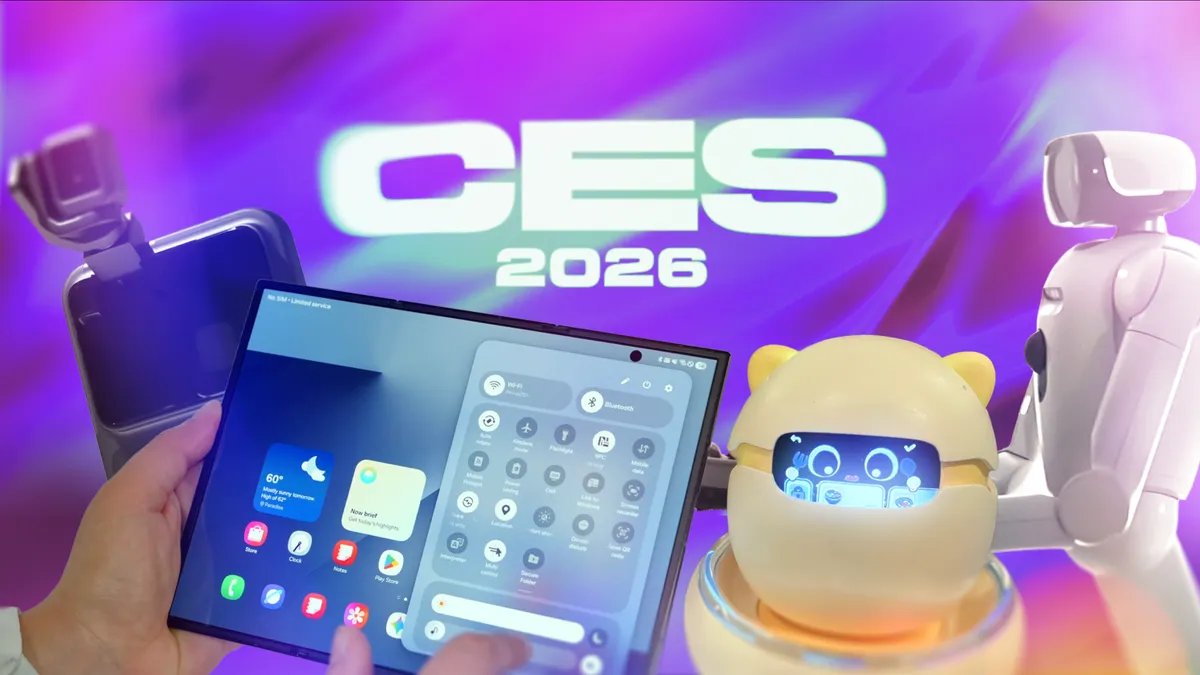
Despite the industry’s increasing maturity, CES has not lost its reputation for showcasing bizarre and unexpected technology.
Robots With Very Specific Jobs
Robots remain a CES staple, but 2026’s offerings are more practical than novelty-focused.
Examples include:
- Robots designed for retail and hospitality
- Home-monitoring robots with AI vision
- Assistive robots for elder care
While adoption remains uncertain, these devices highlight how AI and robotics are becoming more specialized.
Gadgets That Make You Stop and Stare
CES 2026 also features plenty of head-scratchers:
- Overly connected kitchen gadgets
- Wearables with hyper-specific use cases
- Experimental wellness devices with ambitious claims
Some may never reach consumers, but they contribute to CES’s role as a testing ground for ideas—good and bad.
Smart Home Tech: Less Flashy, More Reliable
The smart home category at CES 2026 is quieter but more refined.
Key improvements include:
- Better interoperability between brands
- Reduced setup complexity
- AI-driven automation that adapts to behavior
Rather than adding more features, companies are focusing on making smart homes actually work.
Privacy remains a central concern, with many brands emphasizing on-device processing and user-controlled data.
Automotive Tech Continues to Blur Categories
CES has become one of the most important automotive tech shows in the world, and 2026 continues that trend.
Automakers and suppliers showcased:
- Software-defined vehicle platforms
- Larger, more immersive in-car displays
- AI-assisted driver monitoring
The message is clear: cars are becoming computers on wheels, with software updates and digital experiences playing a growing role.
Sustainability Is No Longer Optional
Sustainability is woven throughout CES 2026, not isolated to a single category.
Across booths, companies highlight:
- Energy-efficient components
- Smarter power management
- Reduced material waste
This reflects both regulatory pressure and shifting consumer expectations. Sustainability is now framed as a business necessity, not a marketing add-on.
What CES 2026 Says About the Tech Industry
CES 2026 paints a picture of an industry in transition.
Instead of chasing spectacle, companies are:
- Refining existing technologies
- Embedding AI quietly and usefully
- Focusing on reliability, efficiency, and trust
At the same time, CES still leaves room for experimentation, ensuring the show retains its creative edge.
What Consumers Can Expect Next
Many products shown at CES 2026 will not reach stores immediately. Some are concepts, others are early previews of devices launching later in the year.
For consumers, CES 2026 signals:
- Smarter TVs that require less tweaking
- Laptops that feel more helpful and efficient
- Gadgets that increasingly blend into daily life
The biggest changes are evolutionary rather than revolutionary.
Why CES Still Matters in 2026
Despite criticism that CES is overwhelming or unfocused, it remains unmatched in scope.
CES matters because it:
- Brings global tech under one roof
- Connects startups with industry leaders
- Sets the narrative for the year ahead
CES 2026 proves that even in a crowded digital world, there is still value in gathering to showcase ideas, ambition, and experimentation.
Conclusion
CES 2026 delivers a familiar but evolving mix of major announcements, surprising concepts, and strange tech. LG and Samsung continue to refine core consumer categories like TVs and smart homes, while startups inject fresh energy and unpredictability into the show.
Together, these elements paint a picture of a tech industry growing more mature—but still willing to take risks. As CES 2026 unfolds, it reinforces why the show remains a defining moment for consumer technology each year: it captures not just what’s coming next, but how the industry is thinking about the future.
Key Highlights
- CES 2026 features major announcements from LG and Samsung
- AI is embedded across TVs, PCs, and smart home tech
- Startups showcase bold ideas and early prototypes
- Strange gadgets and robots remain a CES tradition
- Sustainability and efficiency shape product design


