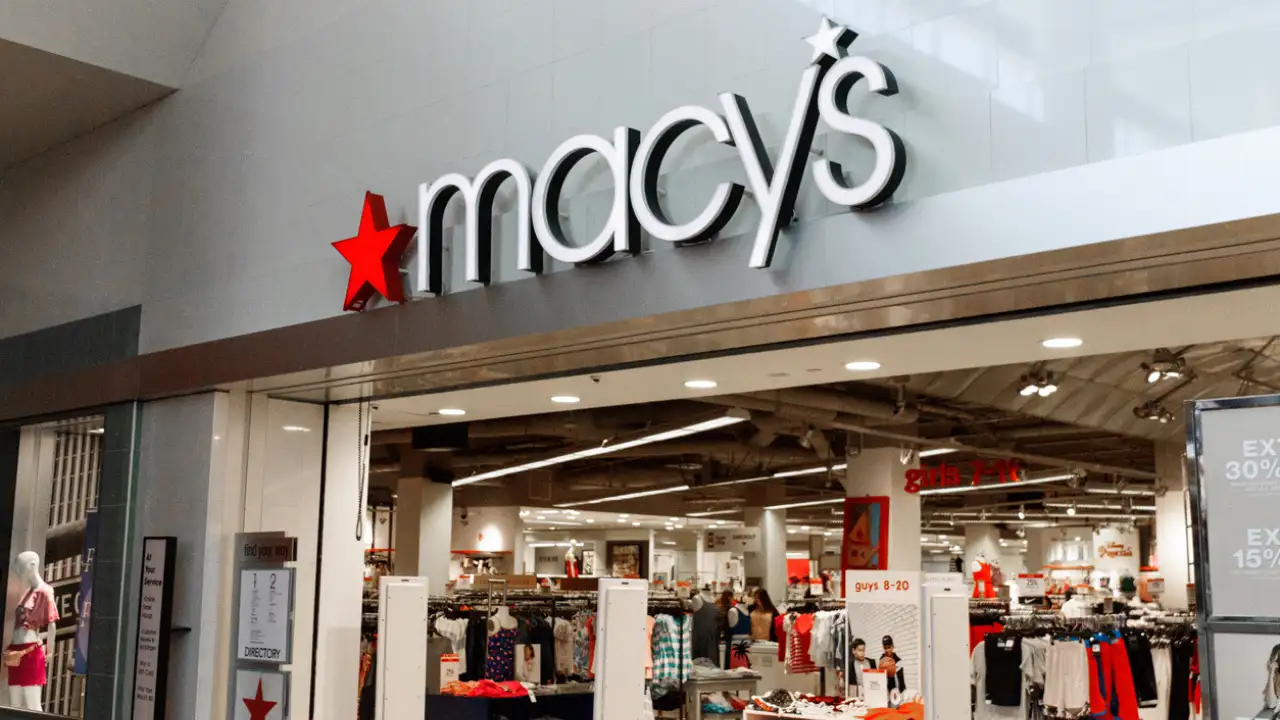
Macy’s to Close Stores in 12 States, Including California, as Retail Restructuring Accelerates

Share via:

Macy’s is set to close multiple department stores across 12 U.S. states, including California, as part of a broader restructuring strategy. The move reflects ongoing pressure on traditional brick-and-mortar retailers from changing consumer behavior, declining mall traffic, and a shift toward digital shopping. The closures are expected to impact workers, local malls, and regional retail ecosystems, while Macy’s refocuses on profitability and a smaller physical footprint.

Introduction

The U.S. retail landscape is undergoing another major reset, and Macy’s is once again at the center of it. The iconic department store chain has confirmed plans to close locations across 12 states, including California, signaling a deeper pullback from underperforming brick-and-mortar stores.

For decades, Macy’s has been synonymous with American shopping malls and downtown retail districts. But as consumer habits evolve and foot traffic continues to decline, the company is accelerating efforts to reshape its store network. The latest closures are part of a multi-year transformation aimed at stabilizing the business and positioning it for long-term survival in a highly competitive retail environment.

What We Know About the Store Closures

Macy’s has indicated that the upcoming round of closures will affect dozens of locations nationwide. While the company has not released a full public list of every affected store, it confirmed that closures span 12 states, with California among the most impacted.

According to company statements and reporting from major news outlets, the closures are primarily focused on:

  • Underperforming mall-based locations
  • Stores with declining foot traffic
  • Markets where Macy’s has overlapping coverage

The decision reflects an internal review of store profitability, lease costs, and long-term growth potential.

California’s Retail Footprint Takes Another Hit

California has long been one of Macy’s most important markets, with stores in major cities, suburban malls, and regional shopping centers. The inclusion of California in this latest round of closures underscores the scale of the challenge facing traditional retailers—even in populous, high-income states.

Retail analysts note that California malls have been hit particularly hard by:

  • Shifts toward online shopping
  • Rising operating and labor costs
  • Changing consumer preferences post-pandemic

For communities where Macy’s serves as an anchor tenant, store closures can have ripple effects across entire shopping centers.

Why Macy’s Is Closing Stores Now
The closures are not an isolated decision but part of a broader strategic pivot.

Declining Mall Traffic

Shopping malls across the U.S. have struggled with reduced foot traffic for years. While high-end and destination malls have proven more resilient, many mid-tier malls continue to see declining visits.

As an anchor tenant, Macy’s relies heavily on mall health. When traffic drops, sales follow.

E-Commerce Competition

Online retailers and direct-to-consumer brands have permanently altered how Americans shop. Even legacy retailers with strong digital platforms face pressure to justify large physical footprints.

Macy’s has invested heavily in e-commerce, but digital growth has not fully offset declines in some physical locations.

Cost Pressures

Operating large department stores is expensive. Rent, utilities, staffing, and inventory costs have all risen, making marginal stores increasingly difficult to justify.

Closing underperforming stores allows Macy’s to redirect resources toward more profitable locations and digital channels.

Part of a Larger Turnaround Strategy

The store closures align with Macy’s ongoing restructuring plan, which focuses on streamlining operations and improving profitability.

Key elements of the strategy include:

  • Reducing the overall number of physical stores
  • Concentrating on top-performing locations
  • Expanding smaller-format stores in select markets
  • Investing in digital and omnichannel capabilities

Company executives have described the effort as a necessary reset rather than a retreat from physical retail altogether.

How Many Stores Will Macy’s Ultimately Close?

Macy’s has previously stated that it plans to close a significant portion of its store fleet over several years. While exact numbers can change based on market conditions, earlier announcements indicated plans to shutter dozens to potentially hundreds of locations through the middle of the decade.

The latest closures across 12 states represent another step toward that long-term target.

Retail experts note that Macy’s still operates hundreds of stores nationwide, but the footprint is likely to continue shrinking.

Impact on Employees and Local Communities

One of the most immediate consequences of store closures is job loss.

Employee Impact

Store closures typically affect:

  • Sales associates
  • Visual merchandisers
  • Store management staff
  • Support and logistics workers

While Macy’s often offers transfers or severance packages, not all employees are able or willing to relocate.

Community and Mall Impact

In many communities, Macy’s serves as a key anchor tenant. Its departure can lead to:

  • Reduced foot traffic for neighboring stores
  • Difficulty attracting replacement tenants
  • Lower property values for malls

For struggling shopping centers, losing a major anchor can accelerate decline.

The Broader Retail Industry Context

Macy’s is far from alone in scaling back physical stores.

Other major retailers have also announced closures or downsizing plans in recent years as the industry adapts to new realities.

Common themes across the retail sector include:

  • Fewer but more productive stores
  • Emphasis on experiential retail
  • Integration of online and offline shopping
  • Focus on profitability over expansion

The era of aggressive store growth has largely given way to consolidation and optimization.

Macy’s Brand Still Holds Value

Despite the closures, Macy’s remains one of the most recognizable retail brands in the U.S.

Strengths that continue to support the brand include:

  • Strong private-label offerings
  • Exclusive brand partnerships
  • National marketing reach
  • A robust loyalty program

The company has emphasized that closures are intended to strengthen, not weaken, the overall brand.

What This Means for Shoppers

For customers, store closures may mean:

  • Longer travel distances to the nearest Macy’s
  • Increased reliance on online shopping
  • Fewer in-store shopping options in some regions

However, Macy’s has worked to enhance its digital experience, offering services such as:

  • Buy online, pick up in store (where available)
  • Expanded delivery options
  • Improved mobile shopping tools

The company aims to ensure that customers remain connected to the brand even as the physical footprint shrinks.

Investor Reaction and Market Perspective

Investors have generally viewed Macy’s store rationalization efforts as a necessary step, though not without risk.

Wall Street analysts often argue that:

  • Closing unprofitable stores can improve margins
  • A leaner footprint reduces long-term costs
  • Execution risk remains significant

The success of the strategy depends on Macy’s ability to grow digital sales and maintain relevance in a crowded retail market.

Why Department Stores Face Unique Challenges

Department stores like Macy’s operate under a different model than specialty retailers.

Challenges include:

  • Large footprints requiring high sales volume
  • Broad merchandise assortments
  • Dependence on mall traffic

As consumer preferences shift toward curated experiences and convenience, department stores must work harder to differentiate themselves.

Could More Closures Follow?

Retail analysts caution that the current round of closures may not be the last.

Factors that could influence future decisions include:

  • Economic conditions
  • Consumer spending trends
  • Mall redevelopment efforts
  • Success of Macy’s smaller-format stores

If traffic and sales fail to rebound in certain markets, additional closures are possible.

How Macy’s Compares to Competitors

Compared to some peers, Macy’s has taken a more measured approach to downsizing.

While some department store chains have entered bankruptcy or exited markets entirely, Macy’s has focused on gradual restructuring rather than abrupt contraction.

This approach has allowed the company to maintain national presence while adapting incrementally.

The Future of Macy’s Physical Stores

Looking ahead, Macy’s physical stores are likely to look different from the traditional department stores of the past.

Expected trends include:

  • Smaller store formats
  • More curated merchandise
  • Enhanced in-store services
  • Greater integration with digital tools

Rather than serving every market equally, Macy’s appears to be concentrating on locations where physical retail still makes sense.

Conclusion

Macy’s decision to close stores across 12 states, including California, marks another significant chapter in the transformation of American retail. The move reflects ongoing pressures from e-commerce, shifting consumer behavior, and the declining role of traditional malls.

While store closures bring challenges for employees and communities, they also represent a strategic effort by Macy’s to stabilize its business and adapt to a rapidly changing marketplace. The company is betting that a smaller, more efficient store network—combined with digital growth—can sustain the brand for years to come.

For shoppers, investors, and the retail industry as a whole, the message is clear: the era of sprawling department store networks is giving way to a leaner, more targeted future.


Key Highlights

  • Macy’s plans to close stores across 12 U.S. states
  • California is among the affected states
  • Closures target underperforming mall locations
  • Employees and local malls face potential disruption
  • Strategy aims to improve profitability and focus on growth areas
Disclaimer

We strive to uphold the highest ethical standards in all of our reporting and coverage. We StartupNews.fyi want to be transparent with our readers about any potential conflicts of interest that may arise in our work. It’s possible that some of the investors we feature may have connections to other businesses, including competitors or companies we write about. However, we want to assure our readers that this will not have any impact on the integrity or impartiality of our reporting. We are committed to delivering accurate, unbiased news and information to our audience, and we will continue to uphold our ethics and principles in all of our work. Thank you for your trust and support.

Popular

More Like this

Macy’s to Close Stores in 12 States, Including California, as Retail Restructuring Accelerates

Macy’s is set to close multiple department stores across 12 U.S. states, including California, as part of a broader restructuring strategy. The move reflects ongoing pressure on traditional brick-and-mortar retailers from changing consumer behavior, declining mall traffic, and a shift toward digital shopping. The closures are expected to impact workers, local malls, and regional retail ecosystems, while Macy’s refocuses on profitability and a smaller physical footprint.

Introduction

The U.S. retail landscape is undergoing another major reset, and Macy’s is once again at the center of it. The iconic department store chain has confirmed plans to close locations across 12 states, including California, signaling a deeper pullback from underperforming brick-and-mortar stores.

For decades, Macy’s has been synonymous with American shopping malls and downtown retail districts. But as consumer habits evolve and foot traffic continues to decline, the company is accelerating efforts to reshape its store network. The latest closures are part of a multi-year transformation aimed at stabilizing the business and positioning it for long-term survival in a highly competitive retail environment.

What We Know About the Store Closures

Macy’s has indicated that the upcoming round of closures will affect dozens of locations nationwide. While the company has not released a full public list of every affected store, it confirmed that closures span 12 states, with California among the most impacted.

According to company statements and reporting from major news outlets, the closures are primarily focused on:

  • Underperforming mall-based locations
  • Stores with declining foot traffic
  • Markets where Macy’s has overlapping coverage

The decision reflects an internal review of store profitability, lease costs, and long-term growth potential.

California’s Retail Footprint Takes Another Hit

California has long been one of Macy’s most important markets, with stores in major cities, suburban malls, and regional shopping centers. The inclusion of California in this latest round of closures underscores the scale of the challenge facing traditional retailers—even in populous, high-income states.

Retail analysts note that California malls have been hit particularly hard by:

  • Shifts toward online shopping
  • Rising operating and labor costs
  • Changing consumer preferences post-pandemic

For communities where Macy’s serves as an anchor tenant, store closures can have ripple effects across entire shopping centers.

Why Macy’s Is Closing Stores Now

The closures are not an isolated decision but part of a broader strategic pivot.

Declining Mall Traffic

Shopping malls across the U.S. have struggled with reduced foot traffic for years. While high-end and destination malls have proven more resilient, many mid-tier malls continue to see declining visits.

As an anchor tenant, Macy’s relies heavily on mall health. When traffic drops, sales follow.

E-Commerce Competition

Online retailers and direct-to-consumer brands have permanently altered how Americans shop. Even legacy retailers with strong digital platforms face pressure to justify large physical footprints.

Macy’s has invested heavily in e-commerce, but digital growth has not fully offset declines in some physical locations.

Cost Pressures

Operating large department stores is expensive. Rent, utilities, staffing, and inventory costs have all risen, making marginal stores increasingly difficult to justify.

Closing underperforming stores allows Macy’s to redirect resources toward more profitable locations and digital channels.

Part of a Larger Turnaround Strategy

The store closures align with Macy’s ongoing restructuring plan, which focuses on streamlining operations and improving profitability.

Key elements of the strategy include:

  • Reducing the overall number of physical stores
  • Concentrating on top-performing locations
  • Expanding smaller-format stores in select markets
  • Investing in digital and omnichannel capabilities

Company executives have described the effort as a necessary reset rather than a retreat from physical retail altogether.

How Many Stores Will Macy’s Ultimately Close?

Macy’s has previously stated that it plans to close a significant portion of its store fleet over several years. While exact numbers can change based on market conditions, earlier announcements indicated plans to shutter dozens to potentially hundreds of locations through the middle of the decade.

The latest closures across 12 states represent another step toward that long-term target.

Retail experts note that Macy’s still operates hundreds of stores nationwide, but the footprint is likely to continue shrinking.

Impact on Employees and Local Communities

One of the most immediate consequences of store closures is job loss.

Employee Impact

Store closures typically affect:

  • Sales associates
  • Visual merchandisers
  • Store management staff
  • Support and logistics workers

While Macy’s often offers transfers or severance packages, not all employees are able or willing to relocate.

Community and Mall Impact

In many communities, Macy’s serves as a key anchor tenant. Its departure can lead to:

  • Reduced foot traffic for neighboring stores
  • Difficulty attracting replacement tenants
  • Lower property values for malls

For struggling shopping centers, losing a major anchor can accelerate decline.

The Broader Retail Industry Context

Macy’s is far from alone in scaling back physical stores.

Other major retailers have also announced closures or downsizing plans in recent years as the industry adapts to new realities.

Common themes across the retail sector include:

  • Fewer but more productive stores
  • Emphasis on experiential retail
  • Integration of online and offline shopping
  • Focus on profitability over expansion

The era of aggressive store growth has largely given way to consolidation and optimization.

Macy’s Brand Still Holds Value

Despite the closures, Macy’s remains one of the most recognizable retail brands in the U.S.

Strengths that continue to support the brand include:

  • Strong private-label offerings
  • Exclusive brand partnerships
  • National marketing reach
  • A robust loyalty program

The company has emphasized that closures are intended to strengthen, not weaken, the overall brand.

What This Means for Shoppers

For customers, store closures may mean:

  • Longer travel distances to the nearest Macy’s
  • Increased reliance on online shopping
  • Fewer in-store shopping options in some regions

However, Macy’s has worked to enhance its digital experience, offering services such as:

  • Buy online, pick up in store (where available)
  • Expanded delivery options
  • Improved mobile shopping tools

The company aims to ensure that customers remain connected to the brand even as the physical footprint shrinks.

Investor Reaction and Market Perspective

Investors have generally viewed Macy’s store rationalization efforts as a necessary step, though not without risk.

Wall Street analysts often argue that:

  • Closing unprofitable stores can improve margins
  • A leaner footprint reduces long-term costs
  • Execution risk remains significant

The success of the strategy depends on Macy’s ability to grow digital sales and maintain relevance in a crowded retail market.

Why Department Stores Face Unique Challenges

Department stores like Macy’s operate under a different model than specialty retailers.

Challenges include:

  • Large footprints requiring high sales volume
  • Broad merchandise assortments
  • Dependence on mall traffic

As consumer preferences shift toward curated experiences and convenience, department stores must work harder to differentiate themselves.

Could More Closures Follow?

Retail analysts caution that the current round of closures may not be the last.

Factors that could influence future decisions include:

  • Economic conditions
  • Consumer spending trends
  • Mall redevelopment efforts
  • Success of Macy’s smaller-format stores

If traffic and sales fail to rebound in certain markets, additional closures are possible.

How Macy’s Compares to Competitors

Compared to some peers, Macy’s has taken a more measured approach to downsizing.

While some department store chains have entered bankruptcy or exited markets entirely, Macy’s has focused on gradual restructuring rather than abrupt contraction.

This approach has allowed the company to maintain national presence while adapting incrementally.

The Future of Macy’s Physical Stores

Looking ahead, Macy’s physical stores are likely to look different from the traditional department stores of the past.

Expected trends include:

  • Smaller store formats
  • More curated merchandise
  • Enhanced in-store services
  • Greater integration with digital tools

Rather than serving every market equally, Macy’s appears to be concentrating on locations where physical retail still makes sense.

Conclusion

Macy’s decision to close stores across 12 states, including California, marks another significant chapter in the transformation of American retail. The move reflects ongoing pressures from e-commerce, shifting consumer behavior, and the declining role of traditional malls.

While store closures bring challenges for employees and communities, they also represent a strategic effort by Macy’s to stabilize its business and adapt to a rapidly changing marketplace. The company is betting that a smaller, more efficient store network—combined with digital growth—can sustain the brand for years to come.

For shoppers, investors, and the retail industry as a whole, the message is clear: the era of sprawling department store networks is giving way to a leaner, more targeted future.

Key Highlights

  • Macy’s plans to close stores across 12 U.S. states
  • California is among the affected states
  • Closures target underperforming mall locations
  • Employees and local malls face potential disruption
  • Strategy aims to improve profitability and focus on growth areas
Disclaimer

We strive to uphold the highest ethical standards in all of our reporting and coverage. We StartupNews.fyi want to be transparent with our readers about any potential conflicts of interest that may arise in our work. It’s possible that some of the investors we feature may have connections to other businesses, including competitors or companies we write about. However, we want to assure our readers that this will not have any impact on the integrity or impartiality of our reporting. We are committed to delivering accurate, unbiased news and information to our audience, and we will continue to uphold our ethics and principles in all of our work. Thank you for your trust and support.

Website Upgradation is going on for any glitch kindly connect at office@startupnews.fyi

More like this

Enough premium handhelds, focus on affordable and weird ones

At CES 2026, Intel unveiled its next-gen Core Ultra...

AI gobbling up memory chips essential to gadget makers

As devices from toys to cars get smarter...

India proposes forcing smartphone makers to give source code...

India proposes requiring smartphone makers to share source...

Popular

iptv iptv iptv