Samsung Warns of Price Hikes as Rising Memory Costs Ripple Across the Global Tech Industry

Share via:

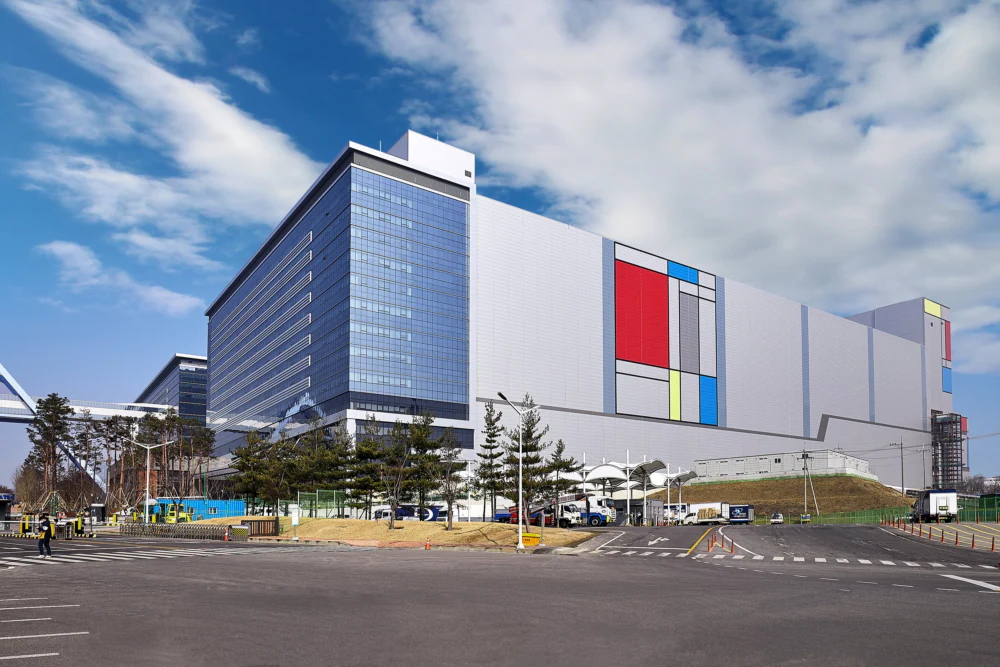
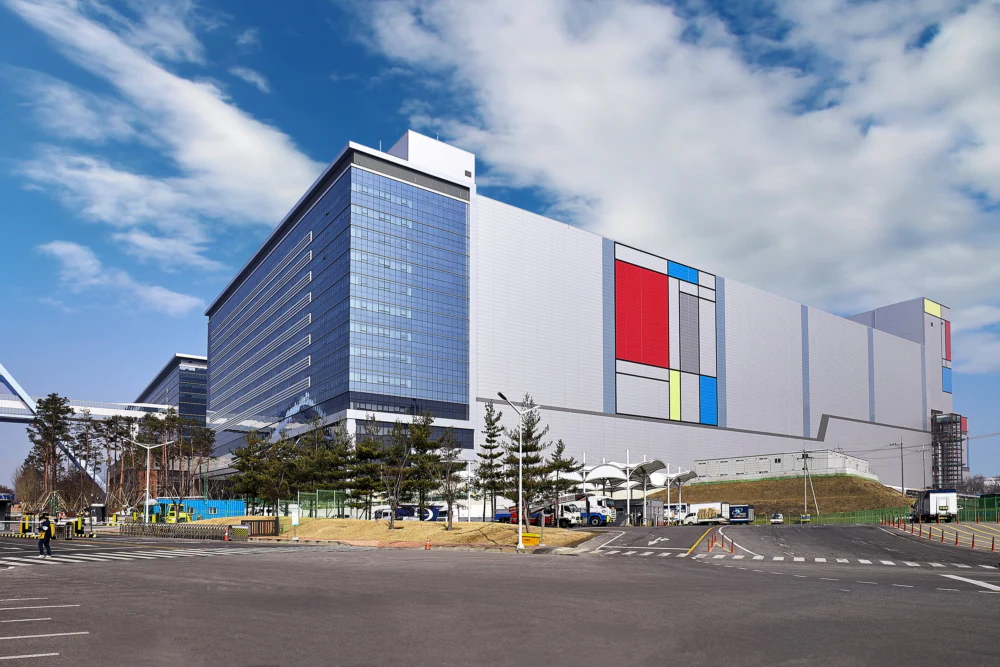
Samsung has cautioned customers and partners about potential price increases as rising memory chip costs squeeze the global semiconductor supply chain. Driven by higher demand, constrained capacity, and increasing production expenses, the warning signals broader cost pressures that could affect smartphones, PCs, data centers, and consumer electronics throughout 2026

Introduction

The global technology industry may be heading into another period of rising hardware prices. Samsung, the world’s largest memory chipmaker, has warned that escalating costs in the memory market could lead to price increases across a wide range of products.

According to reporting by Bloomberg, Samsung executives have indicated that higher costs for DRAM and NAND memory are becoming difficult to absorb internally. As memory components sit at the heart of nearly every modern electronic device, the warning has drawn attention from device makers, cloud providers, and consumers alike.

The message from Samsung is clear: memory is getting more expensive, and the impact will be felt well beyond the semiconductor sector.

Why Memory Chips Matter to the Global Tech Industry

Memory chips are foundational to modern technology. From smartphones and laptops to servers and artificial intelligence systems, DRAM and NAND flash memory are essential components that determine performance, speed, and storage capacity.

Key industries dependent on memory chips include:

  • Smartphones and tablets
  • PCs and laptops
  • Data centers and cloud computing
  • Artificial intelligence and machine learning systems
  • Automotive electronics and smart vehicles

When memory prices rise, manufacturers often face a difficult choice: absorb the costs or pass them on to customers. Samsung’s warning suggests that passing on at least part of the increase is becoming unavoidable.

What’s Driving Rising Memory Costs

Supply Tightness Meets Surging Demand

One of the primary drivers behind rising memory costs is the imbalance between supply and demand. Demand for memory chips has accelerated sharply, fueled by several converging trends:

  • Rapid expansion of AI data centers
  • Growth in high-performance computing
  • Increased memory requirements in smartphones and PCs
  • Rising adoption of connected and smart devices

At the same time, memory supply has remained relatively constrained. Chipmakers reduced production during previous downturns to protect profitability, and bringing new capacity online takes years, not months.

Higher Manufacturing and Capital Costs

Producing advanced memory chips has become increasingly expensive.

Cost pressures include:

  • Rising energy and utility expenses
  • More complex manufacturing processes
  • Higher capital expenditure for advanced fabrication equipment
  • Increased spending on research and development

As memory technology moves toward smaller process nodes and higher density, each generation requires greater investment and precision, pushing up overall production costs.

Samsung’s Position in the Memory Market

Samsung is uniquely positioned in the semiconductor ecosystem. It is the world’s largest producer of DRAM and NAND memory, supplying components to many of the world’s biggest technology brands.

The company’s memory division plays a critical role in:

  • Supplying smartphone manufacturers
  • Supporting global cloud providers
  • Powering enterprise servers and AI infrastructure

Because of its scale, Samsung’s pricing signals often act as a benchmark for the broader market. When Samsung warns of price hikes, competitors and customers pay close attention.

Ripple Effects Across the Tech Ecosyste

Smartphones and Consumer Electronics

Memory is a major cost component in smartphones, particularly as devices now ship with:

  • Higher RAM capacities
  • Larger internal storage options
  • Advanced AI features requiring more memory

If memory prices rise, smartphone makers may respond by:

  • Increasing retail prices
  • Reducing base storage options
  • Limiting promotional discounts

Consumers could feel the impact later in 2026 as new device models launch at higher price points.

PCs and Laptops

The PC market, which has been recovering unevenly, is also vulnerable to memory price increases.

Modern laptops rely on:

  • High-speed DRAM for multitasking
  • SSD storage for performance and reliability

Even modest increases in memory costs can significantly affect margins in a competitive PC market, increasing the likelihood of higher laptop prices or fewer configuration options.

Data Centers and AI Infrastructure

Perhaps the most significant impact will be felt in the data center and AI sectors.

AI workloads are extremely memory-intensive, requiring:

  • Large volumes of high-bandwidth memory
  • Fast access speeds for training and inference

As cloud providers race to expand AI capacity, rising memory costs could:

  • Increase infrastructure spending
  • Slow deployment timelines
  • Ultimately raise costs for enterprise customers

This adds another layer of complexity to the already expensive AI arms race.

Industry-Wide Implications

Samsung’s warning highlights a broader reality: the semiconductor industry is entering a capital-intensive growth phase.

Key implications include:

  • Increased consolidation among suppliers
  • Greater emphasis on long-term supply contracts
  • More strategic pricing negotiations between chipmakers and customers

Smaller device manufacturers with less pricing power may feel the pressure more acutely than large brands capable of negotiating volume discounts.

How Competitors Are Likely to Respond

While Samsung dominates the memory market, it is not alone. Other major memory producers face similar cost dynamics.

Industry observers expect:

  • Gradual, coordinated price increases rather than sudden spikes
  • Focus on premium memory products with higher margins
  • Continued investment in next-generation memory technologies

If multiple suppliers move in the same direction, device makers may have limited alternatives.

Historical Context: Memory Cycles Are Nothing New

The memory industry has long been characterized by cyclical pricing patterns.

Historically, memory prices have swung due to:

  • Overcapacity followed by sharp downturns
  • Periods of undersupply driven by demand surges
  • Strategic production cuts by manufacturers

What makes the current situation different is the structural demand from AI, which appears less cyclical and more sustained than previous growth drivers.
What This Means for Consumers

For consumers, the effects of rising memory costs may not be immediate, but they are likely inevitable.

Potential outcomes include:

  • Higher prices for flagship smartphones and laptops
  • Fewer entry-level configurations with generous storage
  • Slower price declines for older device models

However, companies may try to soften the blow through:

  • Bundled services
  • Subscription-based hardware models
  • Longer device upgrade cycles

Investor and Market Reactions

From an investor perspective, rising memory prices can be a double-edged sword.

Positive signals include:

  • Improved profitability for memory manufacturers
  • Stronger cash flows to fund future investments

Risks include:

  • Demand destruction if prices rise too quickly
  • Pushback from major customers
  • Increased regulatory scrutiny in some markets

Samsung’s messaging suggests it is attempting to balance profitability with market stability, rather than triggering abrupt price shocks.

Strategic Importance of Memory in 2026 and Beyon

Memory chips are becoming more strategic than ever.

As technologies like:

  • Artificial intelligence
  • Autonomous systems
  • Edge computing

continue to expand, memory performance and availability will play a decisive role in shaping innovation.

Samsung’s warning underscores how semiconductors remain a critical choke point in the global technology supply chain.

Conclusion

Samsung’s caution about rising memory costs is more than a routine industry update. It is a signal that the global technology ecosystem is entering a phase where component pricing pressures are becoming harder to ignore.

From smartphones and PCs to AI data centers and cloud infrastructure, memory sits at the core of modern computing. As costs rise, the effects will cascade across industries, influencing product pricing, innovation strategies, and consumer behavior throughout 2026.

While memory price cycles are nothing new, the scale and persistence of current demand—especially from AI—suggest this cycle may last longer than previous ones. For manufacturers, partners, and consumers alike, Samsung’s warning serves as an early indicator of higher costs ahead in the digital economy

Key Highlight

  • Samsung warned of potential price hikes due to rising memory costs
  • DRAM and NAND prices are under pressure from strong demand and limited supply
  • Smartphones, PCs, and AI infrastructure are most exposed
  • Higher production and capital costs are driving industry-wide changes
  • Consumers may see higher device prices later in 2026

Disclaimer

We strive to uphold the highest ethical standards in all of our reporting and coverage. We StartupNews.fyi want to be transparent with our readers about any potential conflicts of interest that may arise in our work. It’s possible that some of the investors we feature may have connections to other businesses, including competitors or companies we write about. However, we want to assure our readers that this will not have any impact on the integrity or impartiality of our reporting. We are committed to delivering accurate, unbiased news and information to our audience, and we will continue to uphold our ethics and principles in all of our work. Thank you for your trust and support.

Popular

More Like this

Samsung Warns of Price Hikes as Rising Memory Costs Ripple Across the Global Tech Industry

Samsung has cautioned customers and partners about potential price increases as rising memory chip costs squeeze the global semiconductor supply chain. Driven by higher demand, constrained capacity, and increasing production expenses, the warning signals broader cost pressures that could affect smartphones, PCs, data centers, and consumer electronics throughout 2026

Introduction

The global technology industry may be heading into another period of rising hardware prices. Samsung, the world’s largest memory chipmaker, has warned that escalating costs in the memory market could lead to price increases across a wide range of products.

According to reporting by Bloomberg, Samsung executives have indicated that higher costs for DRAM and NAND memory are becoming difficult to absorb internally. As memory components sit at the heart of nearly every modern electronic device, the warning has drawn attention from device makers, cloud providers, and consumers alike.

The message from Samsung is clear: memory is getting more expensive, and the impact will be felt well beyond the semiconductor sector.

Why Memory Chips Matter to the Global Tech Industry

Memory chips are foundational to modern technology. From smartphones and laptops to servers and artificial intelligence systems, DRAM and NAND flash memory are essential components that determine performance, speed, and storage capacity.

Key industries dependent on memory chips include:

  • Smartphones and tablets
  • PCs and laptops
  • Data centers and cloud computing
  • Artificial intelligence and machine learning systems
  • Automotive electronics and smart vehicles

When memory prices rise, manufacturers often face a difficult choice: absorb the costs or pass them on to customers. Samsung’s warning suggests that passing on at least part of the increase is becoming unavoidable.

What’s Driving Rising Memory Costs

Supply Tightness Meets Surging Demand

One of the primary drivers behind rising memory costs is the imbalance between supply and demand. Demand for memory chips has accelerated sharply, fueled by several converging trends:

  • Rapid expansion of AI data centers
  • Growth in high-performance computing
  • Increased memory requirements in smartphones and PCs
  • Rising adoption of connected and smart devices

At the same time, memory supply has remained relatively constrained. Chipmakers reduced production during previous downturns to protect profitability, and bringing new capacity online takes years, not months.

Higher Manufacturing and Capital Costs

Producing advanced memory chips has become increasingly expensive.

Cost pressures include:

  • Rising energy and utility expenses
  • More complex manufacturing processes
  • Higher capital expenditure for advanced fabrication equipment
  • Increased spending on research and development

As memory technology moves toward smaller process nodes and higher density, each generation requires greater investment and precision, pushing up overall production costs.

Samsung’s Position in the Memory Market

Samsung is uniquely positioned in the semiconductor ecosystem. It is the world’s largest producer of DRAM and NAND memory, supplying components to many of the world’s biggest technology brands.

The company’s memory division plays a critical role in:

  • Supplying smartphone manufacturers
  • Supporting global cloud providers
  • Powering enterprise servers and AI infrastructure

Because of its scale, Samsung’s pricing signals often act as a benchmark for the broader market. When Samsung warns of price hikes, competitors and customers pay close attention.

Ripple Effects Across the Tech Ecosyste

Smartphones and Consumer Electronics

Memory is a major cost component in smartphones, particularly as devices now ship with:

  • Higher RAM capacities
  • Larger internal storage options
  • Advanced AI features requiring more memory

If memory prices rise, smartphone makers may respond by:

  • Increasing retail prices
  • Reducing base storage options
  • Limiting promotional discounts

Consumers could feel the impact later in 2026 as new device models launch at higher price points.

PCs and Laptops

The PC market, which has been recovering unevenly, is also vulnerable to memory price increases.

Modern laptops rely on:

  • High-speed DRAM for multitasking
  • SSD storage for performance and reliability

Even modest increases in memory costs can significantly affect margins in a competitive PC market, increasing the likelihood of higher laptop prices or fewer configuration options.

Data Centers and AI Infrastructure

Perhaps the most significant impact will be felt in the data center and AI sectors.

AI workloads are extremely memory-intensive, requiring:

  • Large volumes of high-bandwidth memory
  • Fast access speeds for training and inference

As cloud providers race to expand AI capacity, rising memory costs could:

  • Increase infrastructure spending
  • Slow deployment timelines
  • Ultimately raise costs for enterprise customers

This adds another layer of complexity to the already expensive AI arms race.

Industry-Wide Implications

Samsung’s warning highlights a broader reality: the semiconductor industry is entering a capital-intensive growth phase.

Key implications include:

  • Increased consolidation among suppliers
  • Greater emphasis on long-term supply contracts
  • More strategic pricing negotiations between chipmakers and customers

Smaller device manufacturers with less pricing power may feel the pressure more acutely than large brands capable of negotiating volume discounts.

How Competitors Are Likely to Respond

While Samsung dominates the memory market, it is not alone. Other major memory producers face similar cost dynamics.

Industry observers expect:

  • Gradual, coordinated price increases rather than sudden spikes
  • Focus on premium memory products with higher margins
  • Continued investment in next-generation memory technologies

If multiple suppliers move in the same direction, device makers may have limited alternatives.

Historical Context: Memory Cycles Are Nothing New

The memory industry has long been characterized by cyclical pricing patterns.

Historically, memory prices have swung due to:

  • Overcapacity followed by sharp downturns
  • Periods of undersupply driven by demand surges
  • Strategic production cuts by manufacturers

What makes the current situation different is the structural demand from AI, which appears less cyclical and more sustained than previous growth drivers.

What This Means for Consumers

For consumers, the effects of rising memory costs may not be immediate, but they are likely inevitable.

Potential outcomes include:

  • Higher prices for flagship smartphones and laptops
  • Fewer entry-level configurations with generous storage
  • Slower price declines for older device models

However, companies may try to soften the blow through:

  • Bundled services
  • Subscription-based hardware models
  • Longer device upgrade cycles

Investor and Market Reactions

From an investor perspective, rising memory prices can be a double-edged sword.

Positive signals include:

  • Improved profitability for memory manufacturers
  • Stronger cash flows to fund future investments

Risks include:

  • Demand destruction if prices rise too quickly
  • Pushback from major customers
  • Increased regulatory scrutiny in some markets

Samsung’s messaging suggests it is attempting to balance profitability with market stability, rather than triggering abrupt price shocks.

Strategic Importance of Memory in 2026 and Beyon

Memory chips are becoming more strategic than ever.

As technologies like:

  • Artificial intelligence
  • Autonomous systems
  • Edge computing

continue to expand, memory performance and availability will play a decisive role in shaping innovation.

Samsung’s warning underscores how semiconductors remain a critical choke point in the global technology supply chain.

Conclusion

Samsung’s caution about rising memory costs is more than a routine industry update. It is a signal that the global technology ecosystem is entering a phase where component pricing pressures are becoming harder to ignore.

From smartphones and PCs to AI data centers and cloud infrastructure, memory sits at the core of modern computing. As costs rise, the effects will cascade across industries, influencing product pricing, innovation strategies, and consumer behavior throughout 2026.

While memory price cycles are nothing new, the scale and persistence of current demand—especially from AI—suggest this cycle may last longer than previous ones. For manufacturers, partners, and consumers alike, Samsung’s warning serves as an early indicator of higher costs ahead in the digital economy

Key Highlight

  • Samsung warned of potential price hikes due to rising memory costs
  • DRAM and NAND prices are under pressure from strong demand and limited supply
  • Smartphones, PCs, and AI infrastructure are most exposed
  • Higher production and capital costs are driving industry-wide changes
  • Consumers may see higher device prices later in 2026

Disclaimer

We strive to uphold the highest ethical standards in all of our reporting and coverage. We StartupNews.fyi want to be transparent with our readers about any potential conflicts of interest that may arise in our work. It’s possible that some of the investors we feature may have connections to other businesses, including competitors or companies we write about. However, we want to assure our readers that this will not have any impact on the integrity or impartiality of our reporting. We are committed to delivering accurate, unbiased news and information to our audience, and we will continue to uphold our ethics and principles in all of our work. Thank you for your trust and support.

Website Upgradation is going on for any glitch kindly connect at office@startupnews.fyi

More like this

HomeKit Weekly: Flic brings physical button control to your...

I love the idea of a fully automated...

OpenEverest, a Tool To Manage Multiple Databases on Kubernetes

Database support provider Percona is donating a database...

Best of CES 2026: How the PC Industry Is...

CES 2026 unfolded against a backdrop of rising memory...

Popular

iptv iptv iptv
