
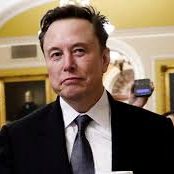
Elon Musk-owned X is facing the prospect of a UK ban after government officials warned the platform to urgently tackle a wave of indecent AI-generated images. The warning comes amid stricter enforcement of the UK’s Online Safety Act, raising serious questions about platform accountability, AI misuse, and the future of social media regulation.
Introduction
The UK government has issued a stark warning to X, the social media platform owned by Elon Musk, over its handling of a growing volume of indecent artificial intelligence-generated images.
According to reporting by The Guardian, UK regulators have told X to take immediate and effective action to remove and prevent the spread of such content or face the possibility of being blocked entirely within the country. The threat marks one of the most significant enforcement moments yet under the UK’s new digital safety framework and places global attention on how platforms manage AI-generated abuse.
The case underscores rising tensions between governments and social media companies over responsibility, free expression, and the unintended consequences of generative AI.
What Triggered the UK Government’s Warning
Surge in Indecent AI-Generated Content
The warning follows a surge in AI-generated indecent images, including non-consensual deepfake content, circulating widely on X. These images are often created using generative AI tools that can fabricate realistic but false depictions of individuals, including minors.
UK officials expressed concern that:
- The content spreads rapidly before moderation takes effect
- Victims face severe psychological and reputational harm
- Existing reporting and takedown mechanisms are insufficient
Authorities have emphasized that platforms must act proactively, not reactively, especially when dealing with content that may constitute criminal offenses.
The Role of the Online Safety Act
A New Regulatory Era for Platforms
The warning to X is grounded in the UK’s Online Safety Act, which grants regulators broad powers to compel platforms to remove illegal and harmful content.
Key provisions of the law include:
- Mandatory risk assessments for harmful content
- Rapid takedown obligations for illegal material
- Heavy fines for non-compliance
- The power to block platforms in extreme cases
Under the Act, platforms that fail to demonstrate effective safeguards can face penalties of up to 10% of global annual revenue, or be restricted from operating in the UK.
For X, this represents a direct regulatory test of its post-acquisition moderation policies.
Why X Is Under Intense Scrutiny
Changes Since Elon Musk’s Takeover
Since Elon Musk acquired X in 2022, the platform has undergone sweeping changes, including:
- Significant reductions in trust and safety staff
- Relaxed content moderation rules
- Greater emphasis on “free speech absolutism”
Critics argue that these shifts have weakened X’s ability to respond to emerging threats, particularly those involving AI-generated content that requires specialized detection tools and human oversight.
Supporters of Musk’s approach contend that platforms should not act as arbiters of truth or morality. However, UK officials have made clear that free expression does not override legal obligations, especially where abuse and exploitation are concerned.
AI-Generated Imagery: A Growing Global Problem
Why Deepfakes Are Hard to Control
AI-generated imagery presents unique challenges for platforms and regulators alike.
Key issues include:
- Rapid improvements in image realism
- Low cost and ease of creation
- Difficulty distinguishing real from synthetic content
- Cross-border dissemination
Unlike traditional harmful content, AI-generated images can be produced at scale, overwhelming moderation systems. This has prompted governments worldwide to reconsider how existing laws apply to generative technologies.
UK Government’s Position
Zero Tolerance for Inaction
UK officials have signaled that patience with major platforms is wearing thin.
Government representatives have stated that:
- Platforms must invest in robust detection tools
- Victims’ rights take precedence over engagement metrics
- AI misuse will be treated as a serious safety risk
The warning to X is intended not only as a corrective measure but also as a signal to the broader tech industry that enforcement under the Online Safety Act will be firm.
Potential Consequences of a UK Ban
What a Ban Would Mean
A ban on X in the UK would be unprecedented for a major global social media platform.
Potential consequences include:
- Loss of millions of UK users
- Disruption to journalists, businesses, and public discourse
- Increased pressure from other regulators worldwide
Such a move could also embolden other governments to take similar action if platforms are seen as non-compliant.
How Other Platforms Are Responding
While X faces scrutiny, other social media companies have been:
- Expanding AI content detection systems
- Partnering with third-party safety organizations
- Introducing labeling for AI-generated content
These steps reflect growing recognition that AI moderation requires new approaches, combining technology, policy, and human oversight.
Free Speech vs Platform Responsibility
A Central Debate
The standoff between X and UK regulators highlights a broader debate shaping the future of the internet.
On one side:
- Advocates of minimal moderation
- Concerns about censorship and overreach
On the other:
- Governments prioritizing safety and accountability
- Victims seeking protection and recourse
The UK government has been explicit that safety laws are not optional, regardless of a platform’s philosophical stance.
International Implications
A Precedent in the Making
Regulators in the European Union, Australia, and parts of Asia are closely watching the UK’s actions.
If the UK proceeds with enforcement measures against X, it could:
- Accelerate global AI regulation
- Encourage coordinated international standards
- Increase compliance costs for platforms
The case may become a reference point for how democratic governments assert control over global tech platforms.
X’s Response So Far
As of publication, X has stated that it is committed to complying with local laws and combating illegal content. However, critics argue that:
- Transparency around enforcement remains limited
- Reporting systems are inconsistent
- Harmful content often reappears after removal
UK authorities have indicated that commitments must be backed by measurable results, not assurances.
Impact on Users and Creators
For users, the situation raises concerns about:
- Platform stability
- Content moderation consistency
- Legal exposure for sharing AI-generated content
Creators and advertisers may also reassess their presence on platforms facing regulatory uncertainty.
The Future of AI and Social Platform
Regulation Is Catching Up
The confrontation between X and the UK government illustrates a broader shift: regulation is beginning to catch up with technology.
As generative AI becomes more powerful, governments are likely to:
- Expand definitions of illegal content
- Impose stricter compliance requirements
- Hold executives more accountable
Platforms that fail to adapt may find their global reach increasingly constrained.
Conclusion
The UK government’s warning to Elon Musk’s X marks a pivotal moment in the regulation of social media and artificial intelligence. By threatening a ban over indecent AI-generated imagery, authorities have drawn a clear line: innovation and free speech do not excuse platforms from protecting users from harm.
Whether X can adapt its moderation systems quickly enough remains uncertain. What is clear is that the era of light-touch regulation is ending. As AI reshapes digital content, governments are asserting their authority to ensure that safety, legality, and accountability


