
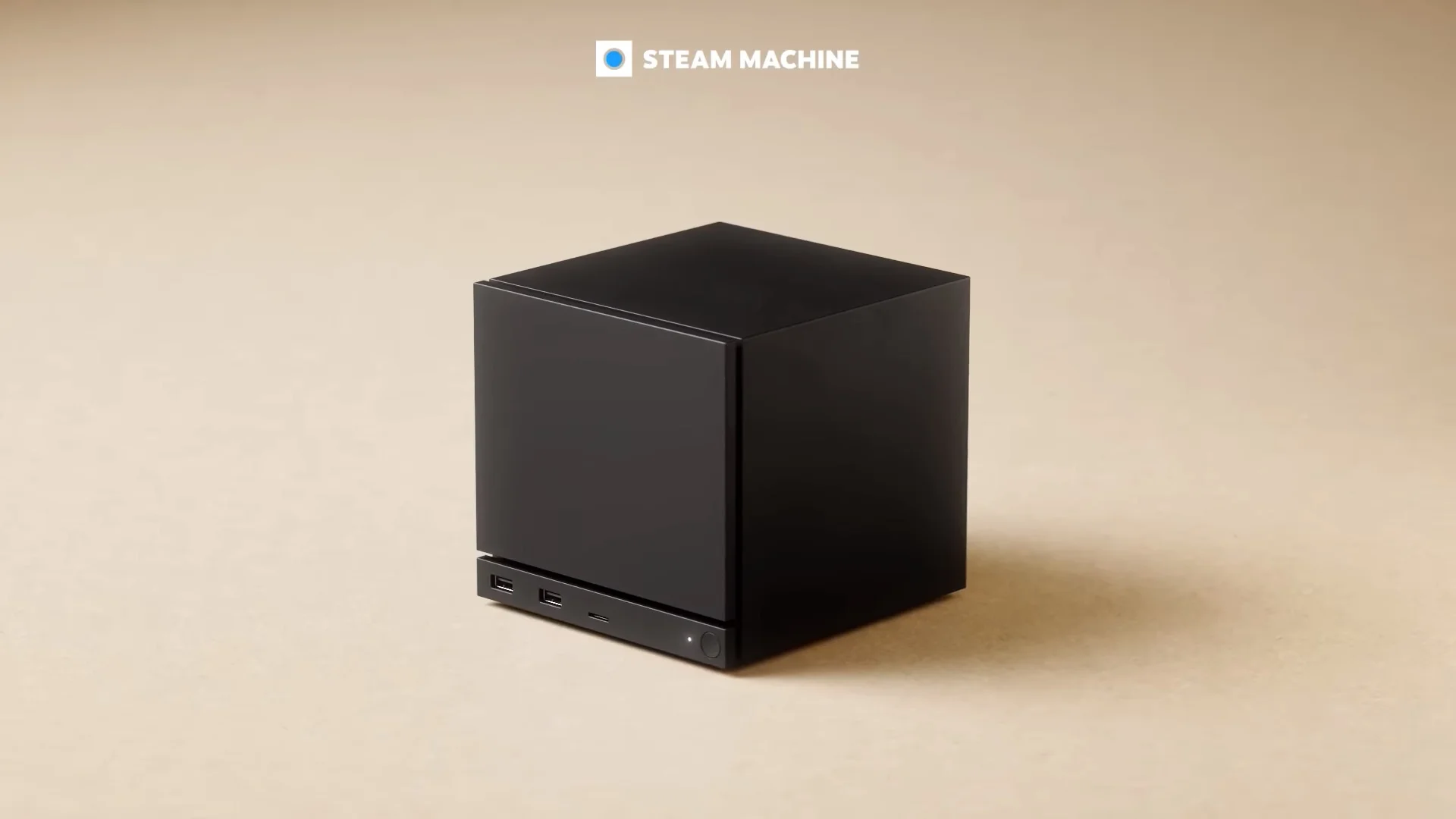
A retailer listing has reportedly revealed early pricing details for a new Steam Machine, reigniting interest in Valve’s living-room gaming ambitions. The leaked prices suggest the hardware may target the premium segment, raising questions about value, competition, and mass-market appeal.
Introduction
The long-rumored return of the Steam Machine may be closer than expected, but early signs suggest it will not come cheap. A retailer listing that surfaced recently appears to show preliminary pricing for a new Steam Machine configuration, sparking discussion across gaming and PC hardware communities.
While Valve has not officially confirmed the product or its pricing, the leak has drawn attention because it hints at a premium positioning rather than a mass-market console alternative. If accurate, the pricing could place the Steam Machine in direct competition with high-end gaming PCs and current-generation consoles.
This article explores what the reported pricing leak reveals, how it fits into Valve’s broader hardware strategy, and whether an expensive Steam Machine can succeed in today’s gaming market.
What Is the Steam Machine?
The Steam Machine is a living-room-focused gaming PC concept developed by Valve, designed to run Steam games on PC hardware using a console-like experience.
Originally introduced in the mid-2010s, Steam Machines aimed to:
- Bring PC gaming to the living room
- Offer open hardware configurations
- Run on SteamOS
- Compete indirectly with traditional consoles
The original Steam Machine initiative struggled due to fragmented hardware offerings, limited Linux game support at the time, and unclear value propositions.
However, Valve’s later success with the Steam Deck has renewed confidence in the company’s ability to deliver compelling gaming hardware.
The Retailer Leak: What Was Reportedly Listed
According to reports circulating online, a third-party retailer briefly listed a Steam Machine product page that included pricing details. While the listing was quickly removed or altered, screenshots and archived pages reportedly showed prices that were significantly higher than mainstream consoles.
Although exact figures vary depending on the source, the key takeaway from the leak is clear: the Steam Machine appears to be positioned as a premium device, not an entry-level console.
Important caveats:
- Valve has not confirmed the listing
- Retailer pricing may be placeholder or provisional
- Final specifications remain unknown
Even with these uncertainties, the leak has shifted expectations around affordability.
Why the Pricing Is Raising Eyebrows
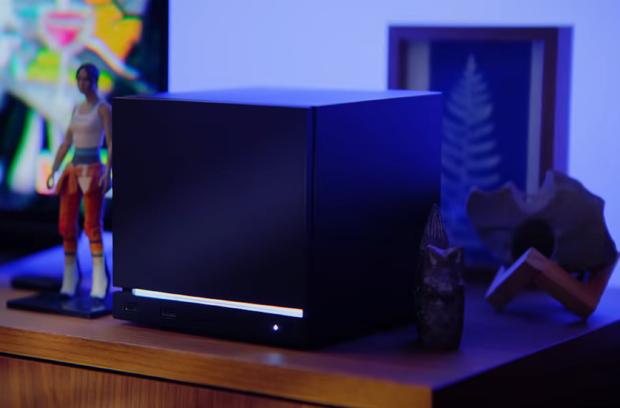
Comparison With Consoles
Current-generation consoles such as the PlayStation 5 and Xbox Series X are priced to appeal to a broad audience. They benefit from subsidized hardware models and platform-based revenue strategies.
By contrast, a high-priced Steam Machine would:
- Compete directly with gaming PCs
- Lack exclusive titles
- Rely on openness rather than curated ecosystems
If the leaked pricing is accurate, consumers may question why they should choose a Steam Machine over a similarly priced custom PC.
Comparison With the Steam Deck
The Steam Deck succeeded partly because of its aggressive pricing relative to its performance. It offered a compelling balance between cost, portability, and access to the Steam library.
An expensive Steam Machine risks losing that advantage. While it may offer more power, the value comparison becomes less clear when prices approach or exceed premium PC territory.
Possible Reasons Behind the High Price
PC-Class Hardware
Unlike consoles, Steam Machines are essentially compact gaming PCs. If the new model includes:
- Modern desktop or laptop-grade CPUs
- Dedicated GPUs
- High-speed storage
- Premium cooling solutions
Then higher pricing would be expected. PC components have remained expensive, particularly for GPUs.
Low Volume Production
Consoles benefit from massive production volumes that reduce per-unit costs. A Steam Machine, at least initially, is unlikely to ship in comparable numbers.
Lower volumes mean:
- Higher manufacturing costs
- Less room for hardware subsidies
- Higher retail prices
This economic reality could explain the leaked pricing.
Premium Positioning Strategy
Valve may intentionally position the Steam Machine as a premium enthusiast device rather than a mainstream console.
This would align with:
- PC gamers seeking a living-room setup
- Users wanting a “console-like” PC experience
- Steam Deck owners looking for a more powerful home system
Such a strategy sacrifices mass appeal for margin and brand alignment.
How SteamOS Changes the Equation
One major difference between the original Steam Machine era and today is the maturity of SteamOS and Linux gaming support.
Valve’s investment in Proton compatibility has dramatically expanded the number of Windows games that run smoothly on Linux.
This improves the Steam Machine’s appeal by:
- Reducing software limitations
- Delivering a console-like interface
- Supporting controller-first experiences
However, better software alone may not overcome price sensitivity.
Competitive Landscape in 2026
Gaming PCs
Custom and prebuilt gaming PCs remain highly competitive. Buyers can often configure systems to their exact needs, with flexibility in upgrades.
An expensive Steam Machine must justify:
- Why it’s better than a small-form-factor PC
- Why SteamOS adds enough value
- Why closed hardware makes sense
Consoles
Consoles continue to dominate living-room gaming due to:
- Lower upfront cost
- Exclusive titles
- Simplicity
A high-priced Steam Machine sits awkwardly between consoles and PCs, appealing strongly to neither group by default.
Handheld PCs and Mini PCs
The rise of handheld PCs and compact gaming desktops has also crowded the space. Many of these devices already run Steam and Windows, offering similar functionality.
This makes differentiation even more critical.
Lessons From the Original Steam Machine Failure
The first Steam Machine initiative struggled due to several factors:
- Confusing product lineup
- Inconsistent performance across models
- Limited Linux game support
- Poor value perception
Valve appears to have addressed many of these issues with the Steam Deck. However, pricing remains a decisive factor.
If consumers perceive the Steam Machine as overpriced, history could repeat itself despite improved software.
What Could Make the Steam Machine Worth the Price
For a premium Steam Machine to succeed, it would need clear advantages, such as:
- Exceptional performance-per-dollar
- Seamless SteamOS experience
- Quiet, living-room-friendly design
- Strong long-term software support
Bundled features, such as controller integration or unique UI enhancements, could also improve perceived value.
Market Reaction So Far
Early reactions to the reported pricing leak have been mixed.
Positive sentiment highlights:
- Excitement over Valve returning to living-room hardware
- Confidence in SteamOS improvements
Negative reactions focus on:
- High price expectations
- Unclear target audience
- Competition from cheaper alternatives
Without official confirmation, sentiment remains speculative.
Internal Linking Suggestions
To strengthen SEO and topical relevance, consider linking this article to:
- A detailed explainer on Steam Deck’s success
- A comparison article on gaming PCs vs consoles
- A feature on Valve’s hardware strategy
- An analysis of SteamOS and Linux gaming growth
- A roundup of best mini gaming PCs
These internal links help build authority around gaming hardware and PC gaming topics.
What Happens Next
Valve has not commented publicly on the reported retailer listing. The next key developments to watch include:
- Official announcement or denial from Valve
- Confirmation of specifications
- Final retail pricing
- Launch timing and regional availability
Until then, the pricing leak should be treated as an early signal rather than a final verdict.
Conclusion
The reported retailer leak suggesting a high price for the Steam Machine has reignited debate about Valve’s ambitions in the living-room gaming space. While the company has proven its hardware capabilities with the Steam Deck, pricing remains a critical factor.
A premium Steam Machine could appeal to a niche audience seeking a console-like PC experience, but broader adoption will depend on whether the device offers clear value over alternatives.
As the market waits for official details, one thing is certain: if the Steam Machine returns at a high price point, Valve will need to clearly communicate why it’s worth the investment.
Key Highlights
Value perception will determine success
Retailer listing suggests Steam Machine may be expensive
Valve has not confirmed pricing or specifications
High price positions device closer to gaming PCs
SteamOS maturity improves software appeal


