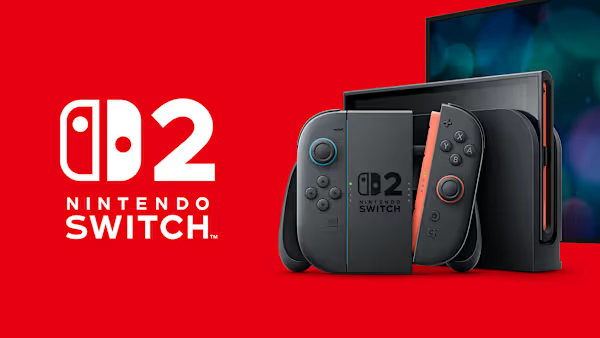
Nintendo Switch 2 Adds Another GameCube Classic, Bringing the Total to Eight Games

Share via:

Nintendo has added another GameCube title to the Nintendo Switch 2 lineup, expanding the retro catalog to eight games. The update strengthens Nintendo’s long-term strategy of blending legacy content with modern hardware, while raising questions about pacing, selection, and future expansion.

Introduction
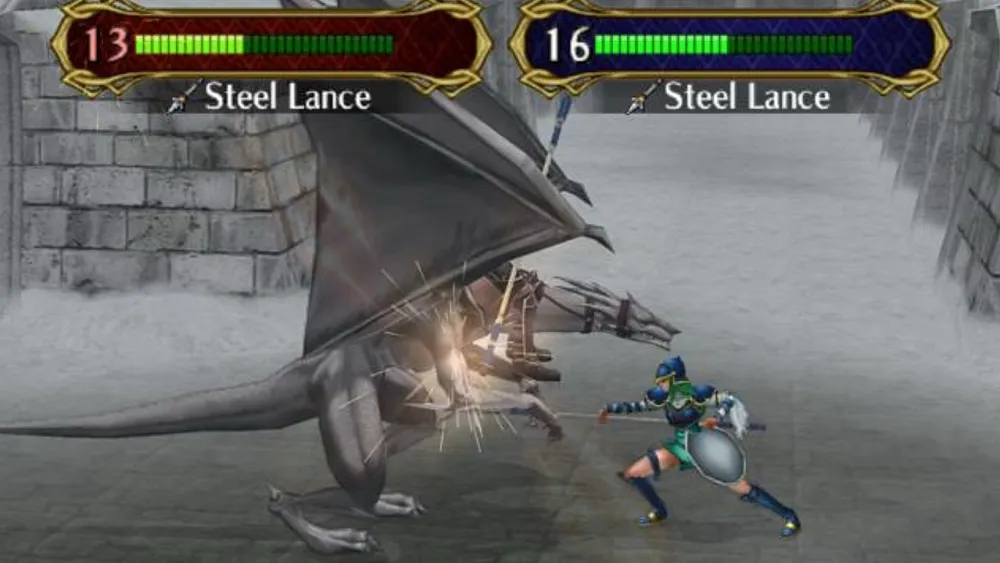
Nintendo has officially expanded the GameCube library available on the Nintendo Switch 2, adding a new classic title and bringing the total number of supported GameCube games to eight. While the update may seem modest at first glance, it represents another incremental step in Nintendo’s carefully controlled approach to retro content.

The addition highlights Nintendo’s broader strategy for the Switch 2 era: using nostalgia-driven game libraries to retain long-term subscribers, extend the lifecycle of older titles, and differentiate its ecosystem from competitors focused on raw performance.

As fans welcome the latest GameCube release, discussion has intensified around what Nintendo’s retro roadmap looks like, how quickly the library will grow, and whether the current pace meets player expectations.

The Latest GameCube Addition: What’s New

Nintendo confirmed that the newest GameCube title is now live on the Nintendo Switch 2, accessible through its retro game service tier. While the company has not framed the release as a major update, it quietly expands a catalog that had remained unchanged for several weeks.

With this addition:

  • The total number of GameCube games on Switch 2 reaches eight
  • The rollout continues Nintendo’s gradual release cadence
  • The focus remains on first-party or closely associated titles

Nintendo has not indicated whether future GameCube releases will follow a monthly schedule or arrive sporadically.

Why GameCube Games Matter to Nintendo

The GameCube era occupies a unique place in Nintendo’s history. While the console underperformed commercially compared to rivals, it produced many critically acclaimed titles that have since become fan favorites.

For Nintendo, reviving GameCube games serves multiple purposes:

  • Monetizing legacy intellectual property
  • Appealing to long-time fans
  • Strengthening subscription-based services
  • Filling content gaps between major new releases

Unlike remasters or remakes, emulated GameCube titles require lower development investment while still delivering high engagement.

Nintendo Switch 2 and the Retro Strategy

The Nintendo Switch 2 represents an evolution rather than a radical departure from the original Switch. Backward-looking features, including retro game libraries, remain central to its value proposition.

Nintendo has consistently leaned into its catalog of older games as a differentiator, especially as competitors emphasize hardware power and third-party support.

GameCube integration signals that Nintendo views the Switch 2 as a long-term platform rather than a short generational bridge.

How the GameCube Library Has Grown So Far

With eight titles now available, Nintendo’s GameCube offering remains relatively small compared to its NES, SNES, and Nintendo 64 libraries.

The limited size has sparked debate among players, but it reflects Nintendo’s historically conservative rollout approach.

Key characteristics of the current library include:

  • Emphasis on first-party titles
  • Absence of many third-party classics
  • Focus on games with strong brand recognition

Nintendo has not released a full roadmap, leaving fans to speculate on future additions.

Emulation Quality and Performance

One of the biggest questions surrounding GameCube games on Switch 2 is performance. Early impressions suggest that Nintendo has prioritized stability and accuracy over advanced enhancements.

Reported characteristics include:

  • Consistent frame rates
  • Minimal input latency
  • Limited graphical upgrades

While some players hoped for widescreen support or higher resolutions, Nintendo appears focused on faithful reproduction rather than modernization.

Comparison With Other Retro Libraries

Nintendo’s approach to GameCube games contrasts sharply with how it handles older systems.

NES and SNES

These libraries are extensive and frequently updated, reflecting the simplicity of emulation and the vast appeal of early-era games.

Nintendo 64

The N64 rollout has been slower, with occasional additions that often spark renewed interest.

GameCube

GameCube sits at a crossroads. Its games are more complex, larger in file size, and often more expensive to license or maintain.

As a result, Nintendo has taken a measured approach, possibly to gauge demand.

Community Reaction So Far

Reaction to the latest GameCube addition has been mixed.

Positive Responses

  • Appreciation for continued GameCube support
  • Nostalgia-driven excitement
  • Confidence in Nintendo’s emulation quality

Criticism

  • Slow pace of releases
  • Limited selection
  • Lack of transparency about future titles

Many fans have expressed hope that Nintendo will accelerate releases once the initial foundation is complete.

Why Nintendo Is Moving Slowly

Nintendo’s cautious expansion of the GameCube library is likely intentional.

Possible reasons include:

  • Licensing complexities
  • Technical optimization
  • Subscription value balancing
  • Avoiding overlap with remakes or remasters

Nintendo has historically staggered retro releases to maintain long-term engagement rather than releasing entire libraries at once.

The Business Case Behind Retro Games

Retro games play a critical role in Nintendo’s modern business model.

They:

  • Encourage long-term subscriptions
  • Reduce reliance on new blockbuster releases
  • Extend the profitability of existing IP

For the Switch 2, GameCube games serve as premium nostalgia content that enhances perceived value without cannibalizing new releases.

How This Compares to Competitors

Nintendo’s competitors approach legacy content differently.

Sony

Sony relies more heavily on remasters and remakes rather than emulation-based libraries.

Microsoft

Microsoft emphasizes backward compatibility, allowing players to use existing game purchases across generations.

Nintendo’s model is distinct: curated access tied to subscriptions and platform exclusivity.

What Games Fans Want Next

Community discussions frequently mention several GameCube titles as top priorities for future releases.

These include:

  • Popular first-party adventures
  • Iconic multiplayer games
  • Cult classics that never received remasters

Nintendo has not commented on specific requests, but demand remains high.

Internal Linking Suggestions

To strengthen SEO and internal authority, consider linking this article to:

  • A deep dive on Nintendo Switch 2 hardware upgrades
  • An explainer on Nintendo’s subscription services
  • A feature on retro gaming trends
  • A comparison of GameCube vs Nintendo 64 libraries
  • A review of Nintendo’s emulation quality

These links help contextualize the GameCube update within Nintendo’s broader strategy.

What This Means for the Future of Switch 2

The addition of the eighth GameCube game reinforces Nintendo’s long-term commitment to blending old and new content on the Switch 2.

Key implications include:

  • Continued focus on subscription-driven value
  • Slow but steady expansion of premium retro libraries
  • Ongoing reliance on nostalgia as a strategic pillar

While the pace may frustrate some fans, Nintendo’s track record suggests patience will eventually be rewarded.

Potential for Expansion Beyond Eight Games

The current total of eight games may represent only the beginning.

If engagement metrics are strong, Nintendo could:

  • Increase release frequency
  • Add third-party GameCube titles
  • Introduce quality-of-life enhancements

However, without official communication, these possibilities remain speculative.

Conclusion

Nintendo’s decision to add another GameCube game to the Nintendo Switch 2, bringing the total to eight, may seem incremental, but it carries broader significance. It underscores Nintendo’s deliberate approach to retro content, prioritizing longevity, curation, and subscription value over rapid expansion.

For fans, the update is both encouraging and frustrating. It confirms that GameCube support is ongoing, yet highlights the slow pace of releases. As Nintendo continues shaping the Switch 2 ecosystem, the GameCube library will remain a key barometer of how the company balances nostalgia with innovation.

Key Highlights

Fans await clearer roadmap and faster releases

Nintendo adds a new GameCube game to Switch 2

Total GameCube library now stands at eight games

Expansion remains slow but deliberate

Retro strategy supports long-term subscriptions

Disclaimer

We strive to uphold the highest ethical standards in all of our reporting and coverage. We StartupNews.fyi want to be transparent with our readers about any potential conflicts of interest that may arise in our work. It’s possible that some of the investors we feature may have connections to other businesses, including competitors or companies we write about. However, we want to assure our readers that this will not have any impact on the integrity or impartiality of our reporting. We are committed to delivering accurate, unbiased news and information to our audience, and we will continue to uphold our ethics and principles in all of our work. Thank you for your trust and support.

Popular

More Like this

Nintendo Switch 2 Adds Another GameCube Classic, Bringing the Total to Eight Games

Nintendo has added another GameCube title to the Nintendo Switch 2 lineup, expanding the retro catalog to eight games. The update strengthens Nintendo’s long-term strategy of blending legacy content with modern hardware, while raising questions about pacing, selection, and future expansion.

Introduction

Nintendo has officially expanded the GameCube library available on the Nintendo Switch 2, adding a new classic title and bringing the total number of supported GameCube games to eight. While the update may seem modest at first glance, it represents another incremental step in Nintendo’s carefully controlled approach to retro content.

The addition highlights Nintendo’s broader strategy for the Switch 2 era: using nostalgia-driven game libraries to retain long-term subscribers, extend the lifecycle of older titles, and differentiate its ecosystem from competitors focused on raw performance.

As fans welcome the latest GameCube release, discussion has intensified around what Nintendo’s retro roadmap looks like, how quickly the library will grow, and whether the current pace meets player expectations.

The Latest GameCube Addition: What’s New

Nintendo confirmed that the newest GameCube title is now live on the Nintendo Switch 2, accessible through its retro game service tier. While the company has not framed the release as a major update, it quietly expands a catalog that had remained unchanged for several weeks.

With this addition:

  • The total number of GameCube games on Switch 2 reaches eight
  • The rollout continues Nintendo’s gradual release cadence
  • The focus remains on first-party or closely associated titles

Nintendo has not indicated whether future GameCube releases will follow a monthly schedule or arrive sporadically.

Why GameCube Games Matter to Nintendo

The GameCube era occupies a unique place in Nintendo’s history. While the console underperformed commercially compared to rivals, it produced many critically acclaimed titles that have since become fan favorites.

For Nintendo, reviving GameCube games serves multiple purposes:

  • Monetizing legacy intellectual property
  • Appealing to long-time fans
  • Strengthening subscription-based services
  • Filling content gaps between major new releases

Unlike remasters or remakes, emulated GameCube titles require lower development investment while still delivering high engagement.

Nintendo Switch 2 and the Retro Strategy

The Nintendo Switch 2 represents an evolution rather than a radical departure from the original Switch. Backward-looking features, including retro game libraries, remain central to its value proposition.

Nintendo has consistently leaned into its catalog of older games as a differentiator, especially as competitors emphasize hardware power and third-party support.

GameCube integration signals that Nintendo views the Switch 2 as a long-term platform rather than a short generational bridge.

How the GameCube Library Has Grown So Far

With eight titles now available, Nintendo’s GameCube offering remains relatively small compared to its NES, SNES, and Nintendo 64 libraries.

The limited size has sparked debate among players, but it reflects Nintendo’s historically conservative rollout approach.

Key characteristics of the current library include:

  • Emphasis on first-party titles
  • Absence of many third-party classics
  • Focus on games with strong brand recognition

Nintendo has not released a full roadmap, leaving fans to speculate on future additions.

Emulation Quality and Performance

One of the biggest questions surrounding GameCube games on Switch 2 is performance. Early impressions suggest that Nintendo has prioritized stability and accuracy over advanced enhancements.

Reported characteristics include:

  • Consistent frame rates
  • Minimal input latency
  • Limited graphical upgrades

While some players hoped for widescreen support or higher resolutions, Nintendo appears focused on faithful reproduction rather than modernization.

Comparison With Other Retro Libraries

Nintendo’s approach to GameCube games contrasts sharply with how it handles older systems.

NES and SNES

These libraries are extensive and frequently updated, reflecting the simplicity of emulation and the vast appeal of early-era games.

Nintendo 64

The N64 rollout has been slower, with occasional additions that often spark renewed interest.

GameCube

GameCube sits at a crossroads. Its games are more complex, larger in file size, and often more expensive to license or maintain.

As a result, Nintendo has taken a measured approach, possibly to gauge demand.

Community Reaction So Far

Reaction to the latest GameCube addition has been mixed.

Positive Responses

  • Appreciation for continued GameCube support
  • Nostalgia-driven excitement
  • Confidence in Nintendo’s emulation quality

Criticism

  • Slow pace of releases
  • Limited selection
  • Lack of transparency about future titles

Many fans have expressed hope that Nintendo will accelerate releases once the initial foundation is complete.

Why Nintendo Is Moving Slowly

Nintendo’s cautious expansion of the GameCube library is likely intentional.

Possible reasons include:

  • Licensing complexities
  • Technical optimization
  • Subscription value balancing
  • Avoiding overlap with remakes or remasters

Nintendo has historically staggered retro releases to maintain long-term engagement rather than releasing entire libraries at once.

The Business Case Behind Retro Games

Retro games play a critical role in Nintendo’s modern business model.

They:

  • Encourage long-term subscriptions
  • Reduce reliance on new blockbuster releases
  • Extend the profitability of existing IP

For the Switch 2, GameCube games serve as premium nostalgia content that enhances perceived value without cannibalizing new releases.

How This Compares to Competitors

Nintendo’s competitors approach legacy content differently.

Sony

Sony relies more heavily on remasters and remakes rather than emulation-based libraries.

Microsoft

Microsoft emphasizes backward compatibility, allowing players to use existing game purchases across generations.

Nintendo’s model is distinct: curated access tied to subscriptions and platform exclusivity.

What Games Fans Want Next

Community discussions frequently mention several GameCube titles as top priorities for future releases.

These include:

  • Popular first-party adventures
  • Iconic multiplayer games
  • Cult classics that never received remasters

Nintendo has not commented on specific requests, but demand remains high.

Internal Linking Suggestions

To strengthen SEO and internal authority, consider linking this article to:

  • A deep dive on Nintendo Switch 2 hardware upgrades
  • An explainer on Nintendo’s subscription services
  • A feature on retro gaming trends
  • A comparison of GameCube vs Nintendo 64 libraries
  • A review of Nintendo’s emulation quality

These links help contextualize the GameCube update within Nintendo’s broader strategy.

What This Means for the Future of Switch 2

The addition of the eighth GameCube game reinforces Nintendo’s long-term commitment to blending old and new content on the Switch 2.

Key implications include:

  • Continued focus on subscription-driven value
  • Slow but steady expansion of premium retro libraries
  • Ongoing reliance on nostalgia as a strategic pillar

While the pace may frustrate some fans, Nintendo’s track record suggests patience will eventually be rewarded.

Potential for Expansion Beyond Eight Games

The current total of eight games may represent only the beginning.

If engagement metrics are strong, Nintendo could:

  • Increase release frequency
  • Add third-party GameCube titles
  • Introduce quality-of-life enhancements

However, without official communication, these possibilities remain speculative.

Conclusion

Nintendo’s decision to add another GameCube game to the Nintendo Switch 2, bringing the total to eight, may seem incremental, but it carries broader significance. It underscores Nintendo’s deliberate approach to retro content, prioritizing longevity, curation, and subscription value over rapid expansion.

For fans, the update is both encouraging and frustrating. It confirms that GameCube support is ongoing, yet highlights the slow pace of releases. As Nintendo continues shaping the Switch 2 ecosystem, the GameCube library will remain a key barometer of how the company balances nostalgia with innovation.

Key Highlights

Fans await clearer roadmap and faster releases

Nintendo adds a new GameCube game to Switch 2

Total GameCube library now stands at eight games

Expansion remains slow but deliberate

Retro strategy supports long-term subscriptions

Disclaimer

We strive to uphold the highest ethical standards in all of our reporting and coverage. We StartupNews.fyi want to be transparent with our readers about any potential conflicts of interest that may arise in our work. It’s possible that some of the investors we feature may have connections to other businesses, including competitors or companies we write about. However, we want to assure our readers that this will not have any impact on the integrity or impartiality of our reporting. We are committed to delivering accurate, unbiased news and information to our audience, and we will continue to uphold our ethics and principles in all of our work. Thank you for your trust and support.

Website Upgradation is going on for any glitch kindly connect at office@startupnews.fyi

More like this

I did not expect the best women’s health tracker...

Follow ZDNET: Add us as a...

I did not expect the best women’s health tracker...

Follow ZDNET: Add us as a...

C# (and C) Grew in Popularity in 2025, Says...

For a quarter century, the TIOBE Index has...

Popular

iptv iptv iptv
