
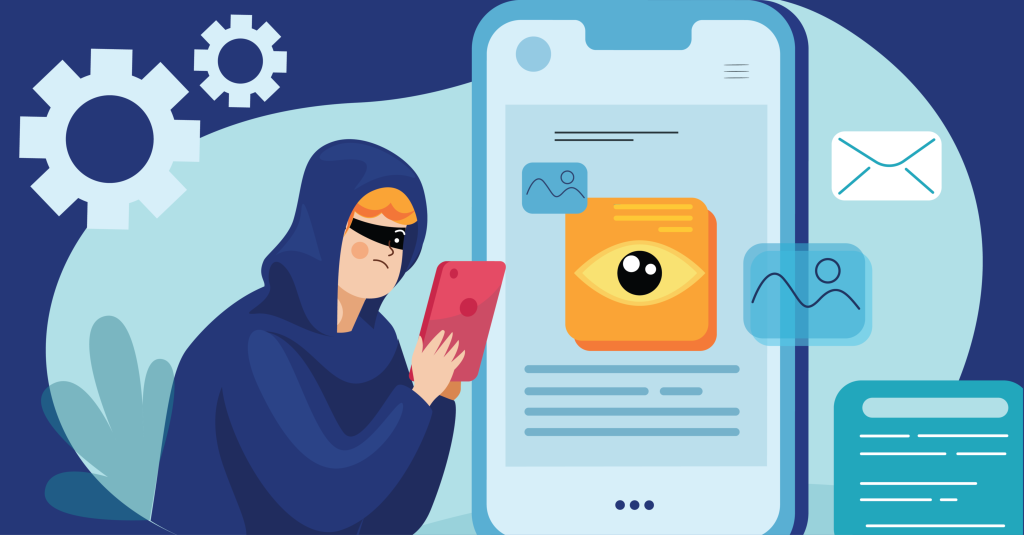
Apple has confirmed ongoing iPhone attacks exploiting critical vulnerabilities, warning that most users currently have no immediate fix available. The disclosure has raised serious concerns among security experts, governments, and consumers, as attackers continue to target iPhones using sophisticated techniques. The situation underscores the growing complexity of mobile cyber threats and the limits of even Apple’s tightly controlled ecosystem.
Introduction
Apple has confirmed that iPhones are being actively targeted by cyberattacks exploiting security vulnerabilities for which most users currently have no immediate fix. The admission, reported by Forbes and echoed across global technology and security publications, marks one of the most serious mobile security situations Apple has faced in recent years.
While Apple has already issued patches for some vulnerabilities, the company acknowledged that a large portion of its user base remains exposed due to hardware, software, or update limitations. The revelation has reignited debate over smartphone security, zero-day exploits, and whether even the most secure consumer platforms can keep pace with increasingly advanced attackers.
What Apple Confirme
Active Attacks in the Wild
Apple confirmed that iPhones are under active attack, meaning the vulnerabilities are not theoretical but are being exploited in real-world scenarios. This distinction is critical: Apple typically reserves public acknowledgment of active exploitation for high-risk threats.
According to reports, the attacks involve:
- Exploitation of core iOS components
- Use of sophisticated techniques requiring minimal user interaction
- Potential compromise of sensitive personal data
Apple stated it is “aware of reports” of exploitation, a phrase commonly used by the company when confirmed attacks have already occurred.
Why There Is “No Fix” for Most Users
The Update Gap
While Apple has released patches for newer devices and the latest versions of iOS, many users remain unable to fully protect themselves.
Key reasons include:
- Older iPhones no longer eligible for the latest iOS updates
- Users who cannot update due to hardware or storage limitations
- Exploits that affect components not easily patched without major system changes
As a result, a significant portion of Apple’s global iPhone user base remains exposed, at least temporarily.
The Nature of the Attacks
Highly Targeted and Sophisticated
Security researchers believe the attacks are not random but highly targeted, potentially aimed at:
- Journalists
- Activists
- Business executives
- Government officials
Such attacks often involve advanced spyware capable of:
- Silent surveillance
- Data exfiltration
- Microphone and camera access
While Apple has not publicly attributed the attacks to specific actors, experts note that these techniques are commonly associated with state-sponsored or commercial surveillance operations.
Why iPhones Are Being Targeted
A Shift in Attacker Strategy
For years, iPhones were perceived as more secure than many alternatives. That perception is now changing.
Attackers are increasingly targeting iPhones because:
- iPhones are widely used by high-value individuals
- Devices store sensitive communications and credentials
- Zero-day exploits command high prices on underground markets
As Apple’s market share remains strong, the incentive to find and exploit vulnerabilities continues to grow.
Zero-Day Vulnerabilities and iOS
What Makes Zero-Days So Dangerous
A zero-day vulnerability is a flaw unknown to the software vendor at the time of exploitation. In this case, attackers had a window of opportunity to exploit iPhones before Apple could respond.
Zero-days are dangerous because:
- No patch exists initially
- Security software may not detect them
- Attacks can spread silently
Apple’s confirmation indicates that attackers were already ahead of defenders.
Apple’s Security Model Under Pressure
Strengths and Limits
Apple’s ecosystem is known for:
- Tight hardware-software integration
- App sandboxing
- Controlled app distribution
However, the current situation highlights limits:
- Browser and system components remain complex
- Long device support lifecycles increase exposure
- Advanced attackers can bypass multiple layers of defense
Even Apple’s strong security architecture cannot guarantee immunity from sophisticated threats.
Impact on Older iPhone Models
A Disproportionate Risk
Users of older iPhones face the greatest risk, as many of these devices:
- No longer receive major iOS updates
- May not receive all security patches
- Are still widely used globally
This creates a security divide where newer devices benefit from rapid fixes, while older models remain vulnerable.
What Apple Is Advising Users
Limited Mitigation Options
In the absence of a universal fix, Apple has advised users to:
- Install all available updates immediately
- Avoid suspicious links and websites
- Limit app permissions
- Enable built-in security features
While these steps can reduce risk, they do not fully eliminate exposure for affected users.
Industry Reaction
Security Experts Sound the Alarm
Cybersecurity experts warn that the situation reflects a broader trend:
- Mobile devices are now prime attack targets
- Zero-day exploitation is increasing
- Patch availability does not equal patch adoption
Several experts have called for:
- Faster update adoption
- Greater transparency around vulnerabilities
- Stronger protections for unsupported devices
Comparisons With Android and Other Platforms
A Cross-Platform Issue
While Apple’s confirmation has drawn headlines, experts stress that:
- Android devices face similar risks
- No mobile platform is immune
- Attackers target users, not brands
The difference lies in how platforms communicate and respond. Apple’s public acknowledgment is notable, but it also highlights the severity of the threat.
Government and Regulatory Concerns
National Security Implications
Governments are closely watching the situation, as compromised smartphones can:
- Expose sensitive communications
- Undermine national security
- Enable surveillance and espionage
Some governments already restrict smartphone use in sensitive roles, and incidents like this may accelerate those policies.
What This Means for Consumers
Trust and Expectations
For consumers, the idea that iPhones can be attacked without an immediate fix is unsettling.
Key implications include:
- Greater awareness of mobile security risks
- Longer device upgrade cycles becoming riskier
- Increased demand for transparency
While Apple remains one of the most secure consumer platforms, the incident shows that no device is invulnerable.
Apple’s Long-Term Response
Likely Next Steps
Apple is expected to:
- Release additional patches where possible
- Strengthen exploit detection
- Expand security hardening in future iOS versions
The company has also invested heavily in:
- Bug bounty programs
- Memory-safe technologies
- Threat detection systems
However, these measures take time to deliver results.
The Bigger Picture: Mobile Security in 2026
An Escalating Arms Race
The confirmation of iPhone attacks with no immediate fix reflects a broader reality:
- Attackers are innovating rapidly
- Defensive updates lag behind exploitation
- Mobile security is now a frontline issue
As smartphones become central to identity, finance, and communication, their security becomes increasingly critical.
Lessons for Users
Practical Takeaways
Users should:
- Keep devices updated at all times
- Be cautious with links and attachments
- Review app permissions regularly
- Consider upgrading unsupported devices
Security is no longer passive; it requires active participation from users.
Conclusion
Apple’s confirmation that iPhones are under active attack, with no immediate fix for most users, marks a pivotal moment in mobile security. It challenges long-held assumptions about platform invulnerability and highlights the growing sophistication of cyber threats.
While Apple’s response demonstrates transparency and urgency, the situation underscores the limits of even the most advanced security models. For users, the message is clear: staying secure in 2026 requires vigilance, timely updates, and an understanding that no device is immune.
As mobile threats continue to evolve, the balance between innovation, security, and user trust will define the next chapter of the smartphone era.


