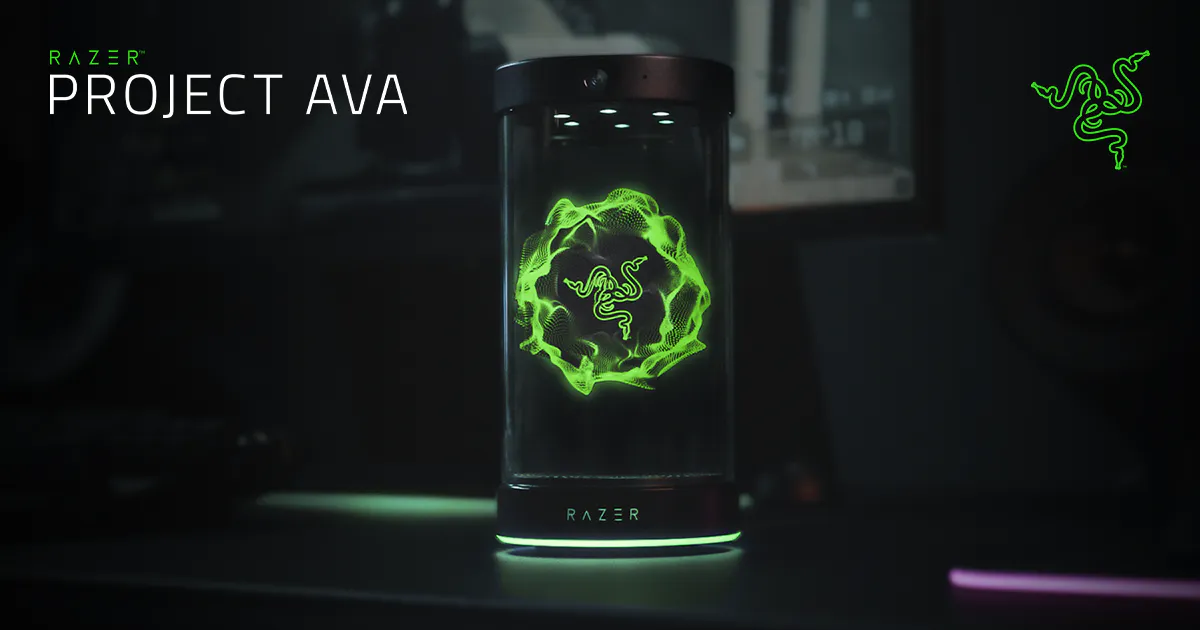
Razer Unveils Project AVA, a 3D Hologram AI Desk Companion for Gaming and Productivity

Share via:

Razer has unveiled Project AVA, a 3D hologram AI desk companion designed to assist users with productivity, gaming, and system management. The concept signals Razer’s expanding ambitions beyond hardware into AI-driven experiences, blending holographic visuals with real-time intelligence.

Introduction

Razer has officially pulled the curtain back on Project AVA, a futuristic 3D hologram AI desk companion that blends artificial intelligence with immersive visual technology. Known primarily for gaming laptops, peripherals, and enthusiast hardware, Razer’s latest reveal signals a deeper push into AI-driven user experiences.

Project AVA is positioned as a virtual assistant designed to live on a user’s desk, offering contextual information, system insights, and interactive support through a holographic interface. While still presented as a concept, the reveal has sparked strong interest across the gaming, productivity, and emerging AI hardware communities.

As major tech companies race to define the next generation of personal AI assistants, Razer’s Project AVA stands out for its emphasis on visual presence, real-time interaction, and desk-based utility rather than voice-only or screen-bound assistants.

What Is Project AVA?

Project AVA is a holographic AI companion that appears as a three-dimensional avatar projected above a dedicated base or display surface. According to Razer, the assistant is designed to act as a persistent digital presence, capable of responding to user queries, offering guidance, and displaying contextual information.

Unlike traditional smart assistants that rely heavily on voice and mobile apps, Project AVA focuses on visual engagement, using hologram-style projection to create a sense of presence.

Key characteristics highlighted by Razer include:

  • A 3D hologram-style visual interface
  • Real-time AI-driven responses
  • Desk-based, always-available design
  • Integration with system and gaming data

While full specifications have not been disclosed, the concept emphasizes interaction beyond simple commands.

Razer’s Broader Vision Behind Project AVA
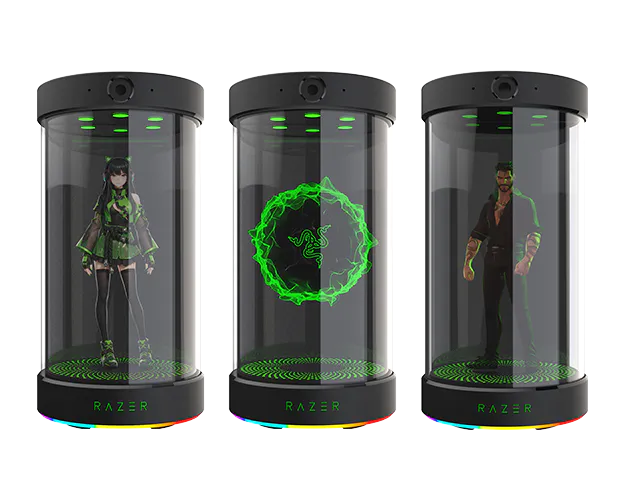
Project AVA aligns with Razer’s long-term strategy to expand beyond gaming peripherals into platform-level experiences. Over the past few years, Razer has steadily introduced software ecosystems, RGB integration platforms, and services that go beyond physical hardware.

By unveiling a hologram AI companion, Razer is signaling interest in:

  • Ambient computing
  • AI-enhanced user environments
  • Personalized digital assistants

Rather than competing directly with smartphone-based assistants, Project AVA appears designed to complement desktop and gaming setups.

How Project AVA Is Expected to Work

Although Razer has not revealed full technical details, Project AVA appears to rely on a combination of AI software, real-time data processing, and visual projection technology.

Visual Interaction

The defining feature of Project AVA is its 3D hologram presentation. The avatar can reportedly display:

  • Notifications
  • System performance metrics
  • Game-related information
  • Contextual tips and alerts

This visual-first approach aims to reduce the need for switching screens or interrupting workflows.

AI Capabilities

Project AVA is described as an AI-powered assistant capable of understanding context and adapting responses accordingly. Potential functions include:

  • Answering questions
  • Providing recommendations
  • Offering task reminders
  • Assisting during gaming sessions

Razer has not specified whether Project AVA uses proprietary AI models or third-party large language models.

Use Cases: Gaming, Productivity, and Beyond

Gaming Companion

For gamers, Project AVA could serve as an intelligent overlay without cluttering the main display.

Possible gaming-focused features include:

  • Real-time performance monitoring
  • In-game tips or strategy reminders
  • System alerts for temperatures or resource usage
  • Match or session summaries

This aligns with Razer’s core audience and leverages its gaming-focused ecosystem.

Productivity Assistant

Beyond gaming, Project AVA is positioned as a productivity tool.

Potential productivity applications include:

  • Calendar reminders
  • Task tracking
  • Notification management
  • Quick information retrieval

The hologram format allows the assistant to remain visible without occupying valuable screen space.

Ambient Desk Presence

One of Project AVA’s most distinctive elements is its role as an ambient desk companion. Rather than being summoned only when needed, it is designed to remain present, offering passive information and visual cues.

This concept mirrors broader trends in ambient computing, where technology blends seamlessly into the environment.

How Project AVA Differs From Existing AI Assistants

Most mainstream AI assistants today operate through smartphones, smart speakers, or traditional screens. Project AVA diverges in several important ways.

Visual Presence

Unlike voice-only assistants, Project AVA emphasizes visual interaction, creating a more engaging and expressive interface.

Desk-Centric Design

Rather than being mobile or room-based, Project AVA is designed specifically for desk setups, aligning with PC users and gamers.

Brand Integration

Razer’s strong brand identity allows Project AVA to integrate tightly with its existing hardware and software ecosystem, potentially offering deeper system-level insights.

Technical and Design Challenges

While Project AVA is visually compelling, it also presents significant challenges.

Hardware Requirements

True holographic or pseudo-holographic displays can be expensive and complex. Maintaining clarity, brightness, and viewing angles is technically demanding.

AI Reliability

For a persistent desk companion, AI accuracy and responsiveness are critical. Errors or delays could quickly undermine user trust.

Privacy Considerations

An always-present AI assistant raises questions about data collection, user privacy, and transparency. Razer has not yet addressed how Project AVA would handle sensitive information.

Market Context: The Rise of AI Companions

Project AVA arrives at a time when interest in AI companions is accelerating.

Across the tech industry, companies are experimenting with:

  • AI-powered wearables
  • Smart displays
  • Desktop AI agents

However, few have combined AI with hologram-style visuals in a consumer-focused product. This gives Razer an opportunity to differentiate, but also places it in relatively uncharted territory.

Lessons From Past Holographic Concepts

Holographic and projection-based interfaces have been demonstrated before, but many struggled to move beyond concept stages due to cost and practicality.

Project AVA’s success will depend on whether Razer can:

  • Deliver consistent visual quality
  • Keep costs within consumer-friendly ranges
  • Provide meaningful everyday utility

Without these factors, the product risks being perceived as a novelty rather than a necessity.

What Razer Has Confirmed So Far

At this stage, Razer has positioned Project AVA as a concept project rather than a finalized consumer product.

Confirmed details include:

  • The hologram-based AI concept
  • Focus on desk environments
  • Integration with Razer’s ecosystem

Unconfirmed aspects include:

  • Pricing
  • Release timeline
  • Final hardware specifications

This cautious messaging suggests Razer is testing interest before committing to a full launch.

Community and Industry Reaction

Early reactions to Project AVA have been mixed but largely intrigued.

Positive Responses

  • Praise for originality and ambition
  • Interest in holographic UI
  • Enthusiasm from gaming communities

Skepticism

  • Concerns about practicality
  • Questions around pricing
  • Doubts about everyday usefulness

These reactions reflect broader industry debates around AI hardware viability.

Internal Linking Suggestions

To strengthen SEO and topical authority, consider linking this article to:

  • An explainer on Razer’s hardware ecosystem
  • A feature on AI assistants in gaming
  • A deep dive into holographic display technology
  • An article on ambient computing trends
  • Coverage of AI-powered consumer devices

These internal links help contextualize Project AVA within broader tech and gaming narratives.

What Comes Next for Project AVA

The future of Project AVA will depend on several factors:

  • User interest and feedback
  • Advances in display and AI technology
  • Cost feasibility for mass production

Razer may choose to iterate on the concept, integrate aspects into existing products, or launch Project AVA as a limited-release device.

Implications for Razer’s Brand Strategy

Project AVA reinforces Razer’s image as a company willing to experiment beyond traditional gaming hardware.

If successful, it could:

  • Strengthen Razer’s software and AI credentials
  • Expand its audience beyond gamers
  • Position Razer as an innovator in desk-based computing

Even if it remains a concept, Project AVA contributes to Razer’s forward-looking brand narrative.

Conclusion

Razer’s unveiling of Project AVA marks a bold step into the intersection of AI, holographic visuals, and desk-based computing. While still in its conceptual phase, the 3D hologram AI desk companion reflects broader industry shifts toward ambient, visually engaging assistants.

Whether Project AVA becomes a commercial product or remains an experimental showcase, it highlights Razer’s ambition to redefine how users interact with technology at their desks. As AI continues to evolve, concepts like Project AVA offer a glimpse into what the future of personal computing could look like.

Key Highlights

Signals Razer’s broader push into AI-driven experiences

Razer unveils Project AVA, a 3D hologram AI desk companion

Designed for gaming, productivity, and system assistance

Focuses on visual, desk-based interaction

Still a concept with no confirmed release date

Disclaimer

We strive to uphold the highest ethical standards in all of our reporting and coverage. We StartupNews.fyi want to be transparent with our readers about any potential conflicts of interest that may arise in our work. It’s possible that some of the investors we feature may have connections to other businesses, including competitors or companies we write about. However, we want to assure our readers that this will not have any impact on the integrity or impartiality of our reporting. We are committed to delivering accurate, unbiased news and information to our audience, and we will continue to uphold our ethics and principles in all of our work. Thank you for your trust and support.

Popular

More Like this

Razer Unveils Project AVA, a 3D Hologram AI Desk Companion for Gaming and Productivity

Razer has unveiled Project AVA, a 3D hologram AI desk companion designed to assist users with productivity, gaming, and system management. The concept signals Razer’s expanding ambitions beyond hardware into AI-driven experiences, blending holographic visuals with real-time intelligence.

Introduction

Razer has officially pulled the curtain back on Project AVA, a futuristic 3D hologram AI desk companion that blends artificial intelligence with immersive visual technology. Known primarily for gaming laptops, peripherals, and enthusiast hardware, Razer’s latest reveal signals a deeper push into AI-driven user experiences.

Project AVA is positioned as a virtual assistant designed to live on a user’s desk, offering contextual information, system insights, and interactive support through a holographic interface. While still presented as a concept, the reveal has sparked strong interest across the gaming, productivity, and emerging AI hardware communities.

As major tech companies race to define the next generation of personal AI assistants, Razer’s Project AVA stands out for its emphasis on visual presence, real-time interaction, and desk-based utility rather than voice-only or screen-bound assistants.

What Is Project AVA?

Project AVA is a holographic AI companion that appears as a three-dimensional avatar projected above a dedicated base or display surface. According to Razer, the assistant is designed to act as a persistent digital presence, capable of responding to user queries, offering guidance, and displaying contextual information.

Unlike traditional smart assistants that rely heavily on voice and mobile apps, Project AVA focuses on visual engagement, using hologram-style projection to create a sense of presence.

Key characteristics highlighted by Razer include:

  • A 3D hologram-style visual interface
  • Real-time AI-driven responses
  • Desk-based, always-available design
  • Integration with system and gaming data

While full specifications have not been disclosed, the concept emphasizes interaction beyond simple commands.

Razer’s Broader Vision Behind Project AVA

Project AVA aligns with Razer’s long-term strategy to expand beyond gaming peripherals into platform-level experiences. Over the past few years, Razer has steadily introduced software ecosystems, RGB integration platforms, and services that go beyond physical hardware.

By unveiling a hologram AI companion, Razer is signaling interest in:

  • Ambient computing
  • AI-enhanced user environments
  • Personalized digital assistants

Rather than competing directly with smartphone-based assistants, Project AVA appears designed to complement desktop and gaming setups.

How Project AVA Is Expected to Work

Although Razer has not revealed full technical details, Project AVA appears to rely on a combination of AI software, real-time data processing, and visual projection technology.

Visual Interaction

The defining feature of Project AVA is its 3D hologram presentation. The avatar can reportedly display:

  • Notifications
  • System performance metrics
  • Game-related information
  • Contextual tips and alerts

This visual-first approach aims to reduce the need for switching screens or interrupting workflows.

AI Capabilities

Project AVA is described as an AI-powered assistant capable of understanding context and adapting responses accordingly. Potential functions include:

  • Answering questions
  • Providing recommendations
  • Offering task reminders
  • Assisting during gaming sessions

Razer has not specified whether Project AVA uses proprietary AI models or third-party large language models.

Use Cases: Gaming, Productivity, and Beyond

Gaming Companion

For gamers, Project AVA could serve as an intelligent overlay without cluttering the main display.

Possible gaming-focused features include:

  • Real-time performance monitoring
  • In-game tips or strategy reminders
  • System alerts for temperatures or resource usage
  • Match or session summaries

This aligns with Razer’s core audience and leverages its gaming-focused ecosystem.

Productivity Assistant

Beyond gaming, Project AVA is positioned as a productivity tool.

Potential productivity applications include:

  • Calendar reminders
  • Task tracking
  • Notification management
  • Quick information retrieval

The hologram format allows the assistant to remain visible without occupying valuable screen space.

Ambient Desk Presence

One of Project AVA’s most distinctive elements is its role as an ambient desk companion. Rather than being summoned only when needed, it is designed to remain present, offering passive information and visual cues.

This concept mirrors broader trends in ambient computing, where technology blends seamlessly into the environment.

How Project AVA Differs From Existing AI Assistants

Most mainstream AI assistants today operate through smartphones, smart speakers, or traditional screens. Project AVA diverges in several important ways.

Visual Presence

Unlike voice-only assistants, Project AVA emphasizes visual interaction, creating a more engaging and expressive interface.

Desk-Centric Design

Rather than being mobile or room-based, Project AVA is designed specifically for desk setups, aligning with PC users and gamers.

Brand Integration

Razer’s strong brand identity allows Project AVA to integrate tightly with its existing hardware and software ecosystem, potentially offering deeper system-level insights.

Technical and Design Challenges

While Project AVA is visually compelling, it also presents significant challenges.

Hardware Requirements

True holographic or pseudo-holographic displays can be expensive and complex. Maintaining clarity, brightness, and viewing angles is technically demanding.

AI Reliability

For a persistent desk companion, AI accuracy and responsiveness are critical. Errors or delays could quickly undermine user trust.

Privacy Considerations

An always-present AI assistant raises questions about data collection, user privacy, and transparency. Razer has not yet addressed how Project AVA would handle sensitive information.

Market Context: The Rise of AI Companions

Project AVA arrives at a time when interest in AI companions is accelerating.

Across the tech industry, companies are experimenting with:

  • AI-powered wearables
  • Smart displays
  • Desktop AI agents

However, few have combined AI with hologram-style visuals in a consumer-focused product. This gives Razer an opportunity to differentiate, but also places it in relatively uncharted territory.

Lessons From Past Holographic Concepts

Holographic and projection-based interfaces have been demonstrated before, but many struggled to move beyond concept stages due to cost and practicality.

Project AVA’s success will depend on whether Razer can:

  • Deliver consistent visual quality
  • Keep costs within consumer-friendly ranges
  • Provide meaningful everyday utility

Without these factors, the product risks being perceived as a novelty rather than a necessity.

What Razer Has Confirmed So Far

At this stage, Razer has positioned Project AVA as a concept project rather than a finalized consumer product.

Confirmed details include:

  • The hologram-based AI concept
  • Focus on desk environments
  • Integration with Razer’s ecosystem

Unconfirmed aspects include:

  • Pricing
  • Release timeline
  • Final hardware specifications

This cautious messaging suggests Razer is testing interest before committing to a full launch.

Community and Industry Reaction

Early reactions to Project AVA have been mixed but largely intrigued.

Positive Responses

  • Praise for originality and ambition
  • Interest in holographic UI
  • Enthusiasm from gaming communities

Skepticism

  • Concerns about practicality
  • Questions around pricing
  • Doubts about everyday usefulness

These reactions reflect broader industry debates around AI hardware viability.

Internal Linking Suggestions

To strengthen SEO and topical authority, consider linking this article to:

  • An explainer on Razer’s hardware ecosystem
  • A feature on AI assistants in gaming
  • A deep dive into holographic display technology
  • An article on ambient computing trends
  • Coverage of AI-powered consumer devices

These internal links help contextualize Project AVA within broader tech and gaming narratives.

What Comes Next for Project AVA

The future of Project AVA will depend on several factors:

  • User interest and feedback
  • Advances in display and AI technology
  • Cost feasibility for mass production

Razer may choose to iterate on the concept, integrate aspects into existing products, or launch Project AVA as a limited-release device.

Implications for Razer’s Brand Strategy

Project AVA reinforces Razer’s image as a company willing to experiment beyond traditional gaming hardware.

If successful, it could:

  • Strengthen Razer’s software and AI credentials
  • Expand its audience beyond gamers
  • Position Razer as an innovator in desk-based computing

Even if it remains a concept, Project AVA contributes to Razer’s forward-looking brand narrative.

Conclusion

Razer’s unveiling of Project AVA marks a bold step into the intersection of AI, holographic visuals, and desk-based computing. While still in its conceptual phase, the 3D hologram AI desk companion reflects broader industry shifts toward ambient, visually engaging assistants.

Whether Project AVA becomes a commercial product or remains an experimental showcase, it highlights Razer’s ambition to redefine how users interact with technology at their desks. As AI continues to evolve, concepts like Project AVA offer a glimpse into what the future of personal computing could look like.

Key Highlights

Signals Razer’s broader push into AI-driven experiences

Razer unveils Project AVA, a 3D hologram AI desk companion

Designed for gaming, productivity, and system assistance

Focuses on visual, desk-based interaction

Still a concept with no confirmed release date

Disclaimer

We strive to uphold the highest ethical standards in all of our reporting and coverage. We StartupNews.fyi want to be transparent with our readers about any potential conflicts of interest that may arise in our work. It’s possible that some of the investors we feature may have connections to other businesses, including competitors or companies we write about. However, we want to assure our readers that this will not have any impact on the integrity or impartiality of our reporting. We are committed to delivering accurate, unbiased news and information to our audience, and we will continue to uphold our ethics and principles in all of our work. Thank you for your trust and support.

Website Upgradation is going on for any glitch kindly connect at office@startupnews.fyi

More like this

Forget Meta Ray-Bans: These smart glasses are customizable from...

Follow ZDNET: Add us as a...

Cory Doctorow: Legalising Reverse Engineering Could End ‘Enshittification’

Scifi author/tech activist Cory Doctorow has decried the...

Owning your music is now the only defense against...

Robert Triggs / Android AuthorityI’m old enough to remember...

Popular

iptv iptv iptv
