
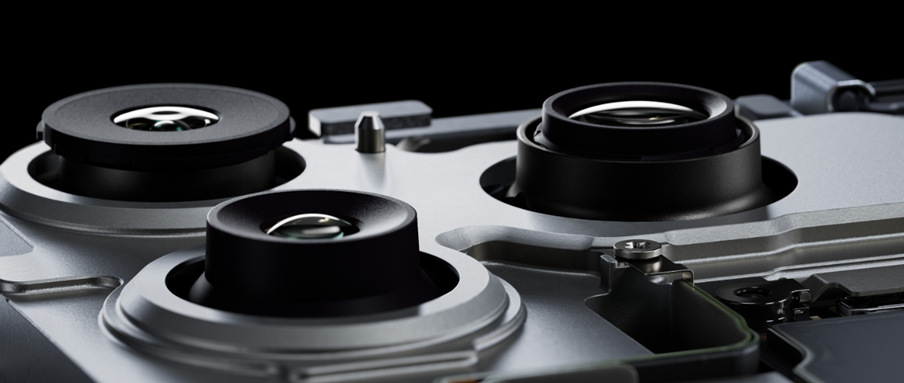
Apple is expected to introduce a 200-megapixel camera to the iPhone lineup by 2028, according to a research note from Morgan Stanley. The move would mark Apple’s biggest camera resolution jump yet, signaling a renewed focus on computational photography, sensor technology, and premium hardware differentiation.
Introduction
Apple’s iPhone camera strategy may be heading toward a major milestone. According to a recent investor research note from Morgan Stanley, Apple is expected to introduce a 200-megapixel camera sensor in future iPhones, potentially as early as 2028.
While Apple has historically avoided joining the megapixel race, preferring image processing and sensor optimization instead, this projection suggests a strategic shift. A 200MP camera would place the iPhone on par with — or ahead of — the highest-resolution smartphone cameras currently on the market.
The report has sparked renewed debate about Apple’s long-term imaging roadmap, the role of megapixels in mobile photography, and how such a dramatic upgrade could reshape the iPhone’s positioning in an increasingly competitive smartphone market.
What Morgan Stanley Is Predicting
In its note to investors, Morgan Stanley reportedly outlined expectations that Apple will eventually adopt ultra-high-resolution camera sensors, with 200MP cited as a realistic target by 2028.
The prediction is not framed as a confirmed product plan, but rather as a long-term technology trajectory based on:
- Supplier roadmaps
- Industry-wide sensor advancements
- Competitive pressure from Android flagships
- Apple’s historical adoption cycle
Morgan Stanley analysts believe Apple will move when supporting technologies — such as image processing, storage efficiency, and power management — are mature enough to meet Apple’s quality standards.
Why Apple Has Avoided the Megapixel Race So Far
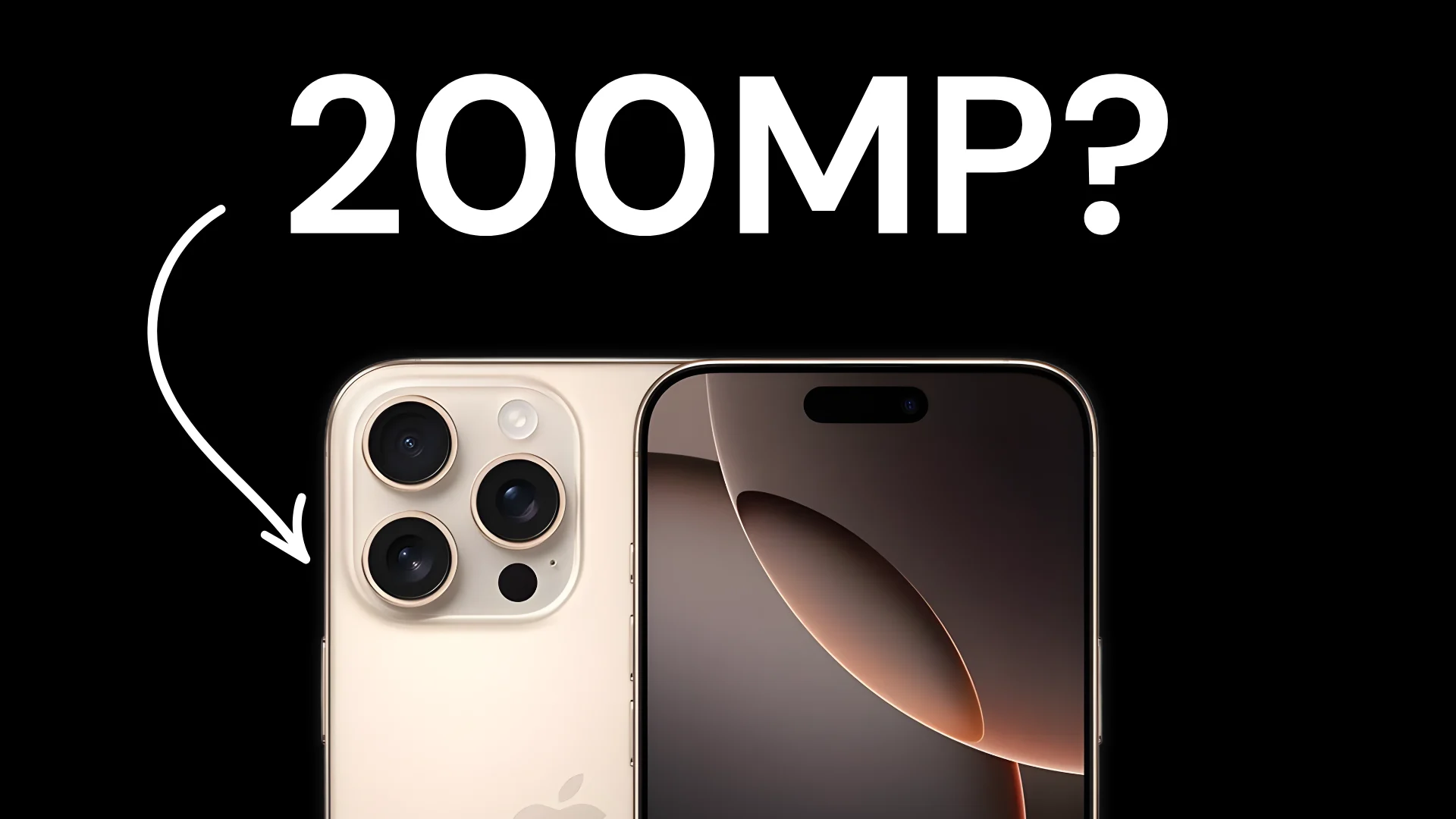
Apple’s approach to smartphone cameras has long differed from its competitors.
Rather than pushing raw megapixel counts, Apple has emphasized:
- Larger pixels
- Sensor-shift stabilization
- Advanced image signal processing
- Computational photography features
For years, Apple capped iPhone camera resolution at 12MP, even as competitors moved to 48MP, 108MP, and beyond.
This strategy aligned with Apple’s focus on consistent image quality, low-light performance, and video reliability rather than headline specifications.
The Shift to 48MP: A Sign of Things to Come
Apple’s move to 48MP cameras in recent iPhone models marked a turning point. It demonstrated that Apple is willing to increase resolution when it can deliver clear user benefits.
The 48MP sensor enabled:
- High-resolution photos with pixel binning
- Improved digital zoom
- More flexibility in post-processing
Morgan Stanley’s 200MP projection builds on this trend, suggesting Apple sees ultra-high-resolution sensors as the next logical step once trade-offs are minimized.
Why 200MP Cameras Matter in Smartphones
At face value, a 200MP camera sounds excessive. However, the benefits extend beyond simple resolution.
Advanced Pixel Binning
High-resolution sensors typically combine multiple pixels into one, improving:
- Low-light performance
- Dynamic range
- Noise reduction
A 200MP sensor could offer highly detailed images in bright conditions while delivering cleaner photos in low light through intelligent binning.
Superior Digital Zoom
More megapixels allow for lossless or near-lossless digital zoom.
This could reduce reliance on separate telephoto lenses or significantly improve mid-range zoom quality, especially for everyday photography.
Computational Photography Gains
Higher-resolution sensors provide more data for Apple’s machine-learning models.
This can enhance:
- Portrait mode accuracy
- Edge detection
- HDR processing
- AI-based image reconstruction
How This Fits Apple’s Long-Term iPhone Strategy
The iPhone remains Apple’s most important product category, accounting for a large share of its revenue.
As smartphone hardware innovation slows, Apple increasingly relies on:
- Premium features
- Camera differentiation
- Ecosystem integration
A 200MP camera would offer a clear generational leap that Apple could reserve for high-end Pro models, reinforcing its premium pricing strategy.
Competitive Pressure From Android Flagships
Android smartphone makers have already embraced 200MP sensors, particularly in flagship and ultra-premium models.
These devices use high-resolution sensors to market superior zoom and detail, even if real-world differences are subtle.
While Apple rarely reacts directly to competitors, sustained marketing around ultra-high-resolution cameras may be influencing Apple’s longer-term plans.
Morgan Stanley’s projection suggests Apple intends to match or surpass competitors on its own timeline, once quality standards are met.
Supply Chain and Sensor Technology Considerations
Introducing a 200MP camera is not just a design decision — it requires major supply chain readiness.
Key factors include:
- Sensor manufacturing yields
- Advanced image signal processors
- Increased storage and memory demands
- Power efficiency improvements
Apple’s scale gives it leverage over suppliers, but such a sensor would still require years of development and testing.
This supports the idea that 2028 is a realistic timeframe rather than an imminent upgrade.
Storage, Processing, and Battery Implications
Ultra-high-resolution images create significantly larger file sizes.
For Apple, this raises important considerations:
- Increased on-device storage requirements
- Faster processing pipelines
- Higher memory bandwidth
- Efficient compression algorithms
Apple’s custom silicon roadmap, including future A-series chips, will play a critical role in enabling a 200MP camera without sacrificing battery life or performance.
Video: Apple’s Other Camera Priority
Apple has consistently positioned the iPhone as a leader in mobile video.
Any major camera upgrade must also support:
- High-resolution video recording
- Stable frame rates
- Professional codecs
A 200MP sensor could improve video cropping and stabilization, but only if paired with sufficient processing power.
Morgan Stanley’s projection likely assumes Apple’s video-first philosophy remains intact.
Why 2028 Makes Strategic Sense
Apple tends to adopt major hardware shifts when:
- Supporting technologies mature
- Supply chains stabilize
- Clear user benefits emerge
A four-year horizon gives Apple time to:
- Refine sensor performance
- Integrate AI-driven imaging features
- Optimize power and storage usage
From an investor perspective, this timeline aligns with Apple’s measured innovation cadence rather than aggressive spec chasing.
Analyst Perspective vs Product Reality
It’s important to note that Morgan Stanley’s note represents analyst expectations, not an official Apple roadmap.
Apple has not commented publicly on megapixel targets or future camera plans.
However, such analyst projections often reflect:
- Conversations with suppliers
- Long-term component forecasts
- Industry-wide technology trends
While plans can change, the projection provides insight into where analysts believe Apple’s camera strategy is heading.
Internal Linking Suggestions
To strengthen SEO and topical authority, consider linking this article to:
- A deep dive on iPhone camera evolution
- An explainer on computational photography
- Coverage of Apple silicon and A-series chips
- A comparison of iPhone vs Android camera strategies
- An analysis of smartphone camera sensor trends
These internal links help contextualize the 200MP discussion within Apple’s broader ecosystem.
What This Means for iPhone Buyers
For current iPhone users, the 200MP projection has no immediate impact.
However, it reinforces several long-term trends:
- Apple continues investing heavily in camera technology
- Major camera upgrades will remain a key selling point
- Pro models will likely receive the most advanced hardware
Consumers considering long upgrade cycles may view future iPhones as increasingly photography-focused devices.
Risks and Uncertainties
Several factors could alter this trajectory:
- Diminishing returns from higher megapixels
- Shifts toward AI-generated imaging
- Changes in consumer priorities
- Unexpected supply chain challenges
Apple could also decide that further improvements in computational photography deliver more value than extreme resolution increases.
Conclusion
Morgan Stanley’s projection that Apple will introduce 200MP cameras in iPhones by 2028 points to a significant evolution in Apple’s imaging strategy. While Apple has historically resisted the megapixel race, its gradual shift toward higher resolutions suggests a willingness to adopt new hardware when it aligns with quality and user experience goals.
If the prediction proves accurate, a 200MP iPhone camera would mark one of the most substantial upgrades in the product’s history — not as a spec-sheet flex, but as a foundation for next-generation computational photography and video.
For now, the report offers a glimpse into how Apple’s long-term vision may unfold, even as official details remain firmly under wraps.
Key Highlights
- Morgan Stanley predicts 200MP iPhone cameras by 2028
- Apple has historically prioritized image quality over megapixels
- 48MP adoption signaled a strategic shift
- 200MP sensors could enhance zoom and AI photography
- Timeline aligns with Apple’s measured innovation cycle


