
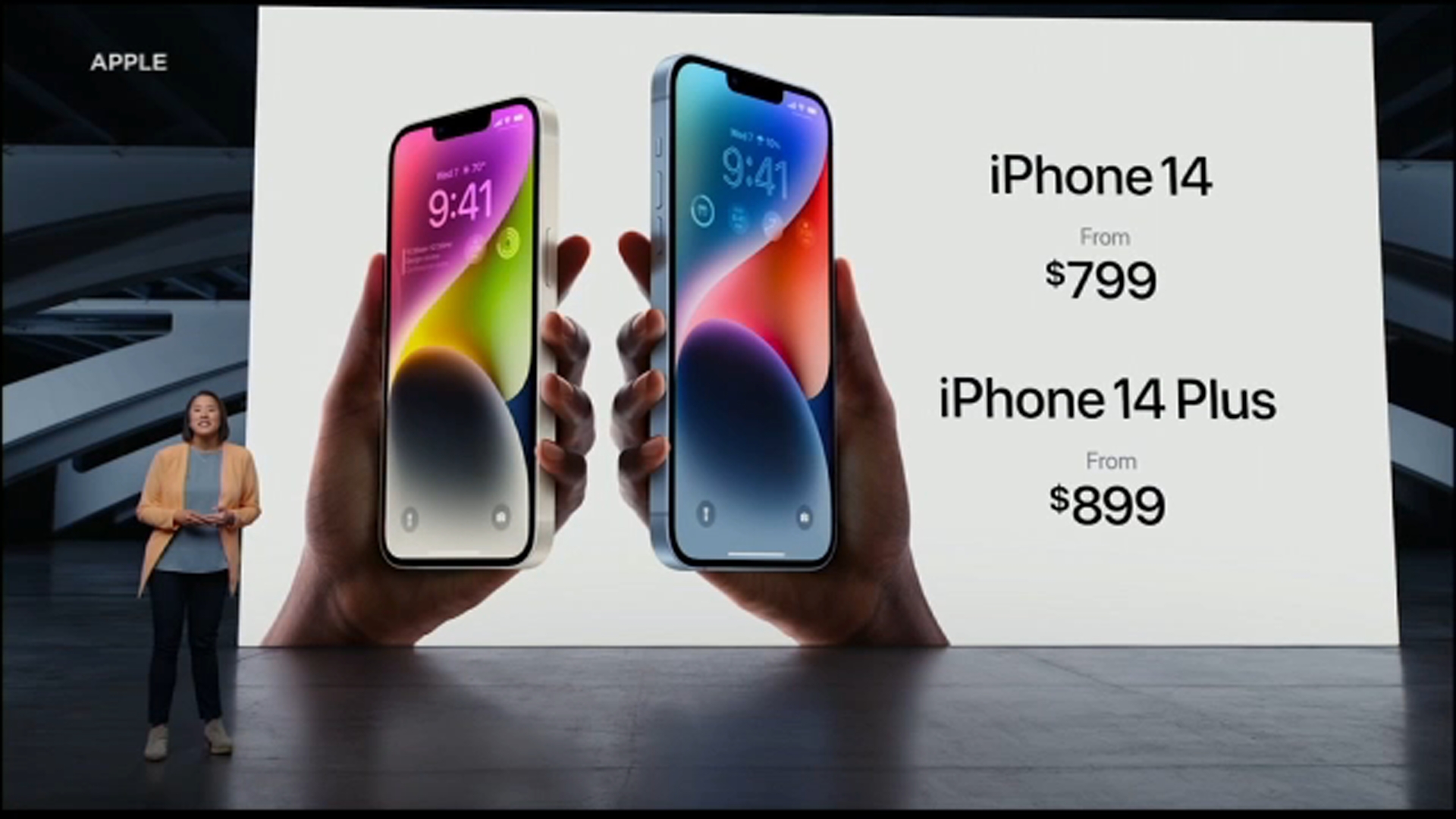
Apple is not expected to launch an iPhone 18 this year, according to multiple industry reports. The move reflects a broader strategic recalibration as Apple focuses on software, AI, services, and longer hardware lifecycles. While unusual for a company known for annual iPhone refreshes, analysts say the pause may help Apple manage innovation fatigue, supply chain pressures, and changing consumer behavior.
Introduction
Apple’s iPhone launch cycle has long been one of the most predictable rhythms in global technology. Every year, typically in September, a new numbered iPhone generation takes center stage. However, 2026 may break that tradition.
According to reports cited by MacRumors and supported by broader industry analysis, Apple is not expected to introduce an iPhone 18 this year. Instead, Apple appears to be maintaining its existing lineup while prioritizing software, artificial intelligence, and services-led upgrades.
If accurate, this would mark one of the rare instances where Apple deliberately skips a numbered iPhone generation—an unusual but potentially strategic decision in a maturing smartphone market.
What the Reports Say
No iPhone 18 in 2026
Industry supply chain sources and analysts cited in multiple reports indicate that Apple’s internal roadmap does not currently include an iPhone 18 launch in 2026.
Instead, Apple is expected to:
- Continue selling existing iPhone 16 and iPhone 17 models
- Rely on iOS and AI-driven feature updates
- Introduce incremental hardware refreshes, if any
While Apple has not officially commented, the absence of supply chain signals typically associated with a new iPhone generation has fueled speculation that there will be no iPhone 18 this year.

Why This Would Be a Major Shift for Apple
Breaking the Annual Upgrade Cycle
Apple has released a new numbered iPhone almost every year since the original iPhone launched in 2007. Skipping a generation would represent a significant departure from tradition.
Historically, Apple has relied on:
- Annual hardware upgrades
- Iterative design improvements
- Predictable release timelines
A pause suggests Apple believes the current market dynamics no longer demand yearly generational changes.
Smartphone Market Maturity Is a Key Factor
Slowing Global Demand
The global smartphone market has matured significantly over the past decade.
Key trends influencing Apple’s decision include:
- Longer device replacement cycles
- Incremental hardware improvements offering diminishing returns
- Consumers holding onto phones for four to five years
With iPhones already offering high performance and long software support, many users see little reason to upgrade annually.
Apple’s Longer Software Support Reduces Pressure
Devices Age Better Than Ever
Apple supports iPhones with iOS updates for significantly longer than most competitors.
As a result:
- Older devices remain secure and functional
- Feature gaps between generations have narrowed
- Hardware upgrades feel less urgent
This longevity allows Apple more flexibility in timing major hardware refreshes without alienating users.
Focus Shifts to Software, AI, and Services
Hardware Takes a Back Seat
Reports suggest Apple’s attention in 2026 is increasingly centered on:
- On-device artificial intelligence
- iOS feature expansion
- Subscription services growth
Apple’s recent strategy emphasizes platform value over hardware novelty, allowing existing devices to gain new capabilities through software.
This shift aligns with Apple’s long-term business model, where services revenue plays an increasingly central role.
AI Development May Be Influencing the Timeline
Waiting for Meaningful Breakthroughs
Artificial intelligence is rapidly reshaping consumer expectations, but Apple has taken a cautious approach compared to some competitors.
Rather than rushing AI features into new hardware, Apple appears focused on:
- Privacy-first AI implementation
- On-device processing
- Deep system-level integration
Delaying a new iPhone generation may allow Apple to introduce more substantial AI-driven changes in a future model rather than incremental updates now
Supply Chain and Cost Considerations
Managing Manufacturing Complexity
Launching a new iPhone generation requires:
- Massive component sourcing
- New manufacturing processes
- Global logistics coordination
With ongoing geopolitical uncertainty, rising component costs, and memory price pressures, Apple may see strategic value in extending the lifecycle of existing designs.
This approach reduces risk while maintaining margins.
What This Means for iPhone 17 and Existing Models
Longer Spotlight for Current Devices
If there is no iPhone 18 launch, Apple’s current lineup will remain in focus longer than usual.
This could result in:
- Extended marketing support for existing models
- Software updates positioned as major value additions
- Stable pricing with fewer abrupt transitions
For consumers, this may actually increase perceived value from current iPhones.
Could Apple Still Launch Something Else?
Variants and Mid-Cycle Updates
While reports suggest no iPhone 18, Apple could still introduce:
- Minor refreshes
- New color options
- Storage upgrades
- Regional variants
Apple has previously refreshed products quietly without rebranding them as new generations.
Historical Precedent: Apple Has Paused Before
Not Entirely Unprecedented
While rare, Apple has adjusted product cycles in the past.
Examples include:
- Extended Mac refresh cycles
- iPad lineup pauses
- Delayed Apple Watch upgrades
These pauses often coincided with broader strategic shifts rather than product struggles.
Analyst Reactions
Strategic, Not a Red Flag
Most analysts interpret the potential iPhone 18 delay as a strategic recalibration, not a sign of weakness.
Key analyst perspectives include:
- Annual upgrades are less critical in a mature market
- Apple benefits from controlling expectations
- Major innovation cycles may be lengthening
Skipping a generation could help Apple preserve the iPhone brand’s sense of significance.
Impact on Consumers
Fewer Decisions, More Stability
For consumers, the absence of a new iPhone launch could mean:
- Less pressure to upgrade
- More confidence in existing purchases
- Longer support windows
It may also reduce confusion caused by overlapping models released in rapid succession.
Impact on Developers and Ecosystem Partners
Software Takes Center Stage
Developers may benefit from:
- A more stable hardware baseline
- Greater emphasis on iOS capabilities
- Reduced fragmentation
Accessory makers and partners may also appreciate a longer window to support existing designs.
Competitive Landscape Implications
How Rivals May Respond
Apple’s decision could influence competitors in unexpected ways.
Potential outcomes include:
- Rivals accelerating launches to fill perceived gaps
- Others reconsidering annual refresh pressures
- Greater focus on software differentiation
Apple’s moves often ripple across the broader tech industry.
Risks of Skipping an iPhone Generation
What Could Go Wrong
While strategic, the move is not without risks.
Possible downsides include:
- Reduced media attention
- Slower upgrade cycles affecting revenue
- Competitors gaining narrative momentum
Apple will need strong software and services updates to maintain engagement.
Why Apple Can Afford This Move
Brand Strength and Ecosystem Lock-In
Apple’s ecosystem provides resilience few companies enjoy.
Key strengths include:
- High customer loyalty
- Deep ecosystem integration
- Strong services revenue
These factors give Apple room to experiment with release timing without immediate fallout.
What Comes After iPhone 18?
Looking Ahead to Future Generations
Many analysts believe Apple is preparing for:
- A more transformative iPhone release in a later year
- Deeper AI integration
- Possible design or form-factor changes
Skipping a generation could make the next major iPhone feel more meaningful.
Apple’s Silence Is Typical
Reading Between the Lines
Apple rarely comments on unreleased products or roadmap speculation. The absence of confirmation does not guarantee the reports are accurate, but Apple’s silence is consistent with past behavior.
Until Apple speaks officially, all information remains based on supply chain analysis and industry reporting.
Conclusion
Reports suggesting that Apple will not launch an iPhone 18 in 2026 point to a broader shift in how the company approaches innovation, timing, and value creation. In a mature smartphone market, annual hardware upgrades may no longer be the primary driver of growth.
Instead, Apple appears focused on software, AI, services, and longer product lifecycles—strategies that align with changing consumer behavior and global market realities.
If Apple does skip the iPhone 18 this year, it will not be a retreat but a recalibration. And if history is any guide, when Apple does return with the next major iPhone generation, it will aim to make the wait feel worthwhile.
Key Highlight
- Apple is unlikely to launch an iPhone 18 in 2026
- Reports point to a strategic pause in the iPhone cycle
- Market maturity and longer device lifespans are key factors
- Apple is prioritizing software, AI, and services
- A future iPhone generation may deliver more meaningful innovation


