
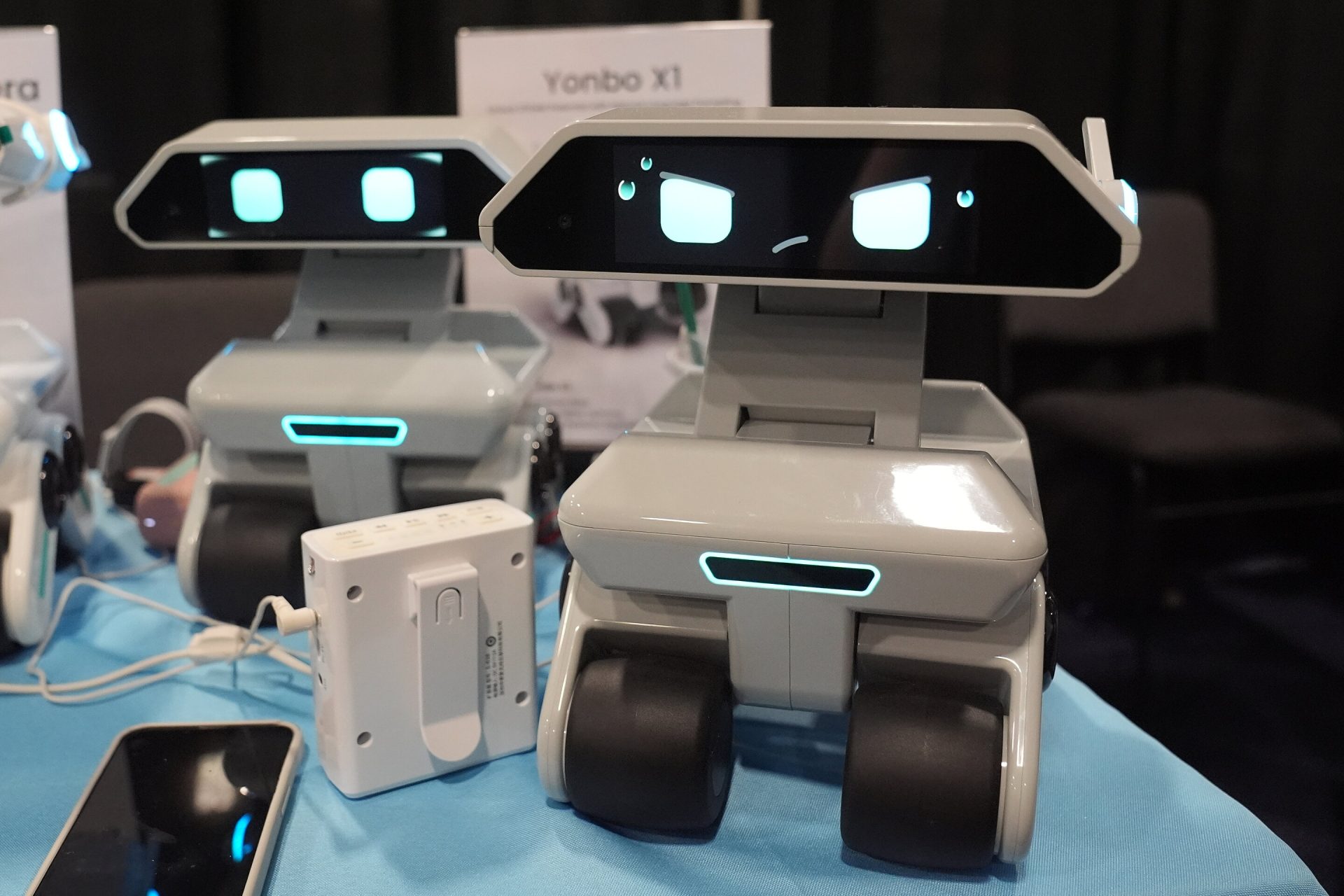
As CES 2026 entered its third day, the spotlight shifted from headline announcements to the technology that continued to prove its value even as crowds thinned. From AI-powered robotics and refined smart home systems to startup-led innovation, the most interesting tech still on the show floor offered a clearer look at what will shape consumer technology in the year ahead.
Introduction
Day 3 of CES has always played a unique role in the event’s lifecycle. With the biggest keynotes completed and media attention more selective, only the most confident exhibitors continue active demonstrations. At CES 2026, this dynamic revealed a more mature, AI-driven technology landscape focused on execution rather than spectacle.
According to coverage from Engadget, the tech still drawing attention late into the show leaned heavily toward artificial intelligence, robotics, and practical consumer applications. These products were not chasing hype but demonstrating readiness for real-world use.
Why Day 3 Matters at CES
CES Day 3 often separates short-lived excitement from long-term relevance. Products that remain compelling at this stage typically share common strengths.
Why Day 3 tech is important
- Marketing noise is significantly reduced
- Demos are less scripted and more realistic
- Buyers and partners focus on usability
- Only products with confidence stay fully active
At CES 2026, this made Day 3 one of the most revealing moments of the entire show.
Robots That Kept Working Without the Spotlight
Robotics remained one of the strongest categories on Day 3, but the tone shifted away from showmanship toward reliability.
These robots were not performing choreographed routines. Instead, they demonstrated continuous, unsupervised operation in busy environments.
What made these robots stand out
- Autonomous navigation without pre-mapped routes
- Real-time object detection and avoidance
- Natural language interaction without fixed prompts
- Strong emphasis on safety and repeatability
Many of these systems were built for logistics, healthcare, retail, and hospitality, highlighting how physical AI is moving closer to large-scale deployment.
AI That Operates Quietly in the Background
One of the clearest themes on Day 3 was how artificial intelligence faded into the background while powering nearly everything.
Rather than promoting AI as a feature, companies showed how intelligence now works silently to reduce friction.
How AI was being used
- Devices learning user routines automatically
- Context-aware systems responding to environments
- Predictive behavior minimizing manual input
- Local processing improving speed and privacy
This shift reflects an industry moving beyond AI as a selling point toward AI as infrastructure.
Smart Home Tech Finally Feels Reliable
Smart home technology that remained active on Day 3 looked far more mature than in past years. Instead of isolated devices, companies showcased complete ecosystems working together seamlessly.
Key smart home trends still on display
- Local AI processing to reduce cloud reliance
- Improved interoperability across brands
- Automation driven by behavior, not commands
- Easier setup and long-term maintenance
The focus was no longer novelty. It was stability, privacy, and trust.
Wearables Move Toward Invisibility
Wearables that continued to draw interest on Day 3 were noticeably understated. Screens were smaller or absent, and notifications were minimized.
Wearable trends that stood out
- Smart rings with multi-day battery life
- Clip-on health trackers without displays
- Passive monitoring for sleep and stress
- Health insights delivered through summaries
This reflects growing consumer demand for health data without constant digital interruption.
Automotive Tech Shifts From Concept to Software
By Day 3, automotive technology conversations moved beyond dramatic concept cars toward software-driven innovation.
What automotive tech focused on
- AI-assisted driver monitoring
- Software-defined vehicle platforms
- Personalized in-car interfaces
- Adaptive navigation and safety systems
The future of mobility at CES 2026 appeared increasingly defined by intelligence and software rather than physical design alone.
Startups Delivered Some of the Strongest Ideas
As major brands began winding down, startups became some of the most compelling exhibitors still active on the floor.
Why startups stood out on Day 3
- Focus on specific, solvable problems
- Faster experimentation and iteration
- AI-first product design
- Sustainability-driven engineering
Many startup booths remained busy late into the show, signaling genuine market interest.
Audio and Display Tech Focuses on Experience
Audio and visual technology that stayed relevant on Day 3 emphasized comfort, efficiency, and consistency.
Notable audio and display trends
- Headphones adapting sound automatically
- Displays adjusting brightness and color in real time
- Energy-efficient panels for long-term use
- Comfort-focused designs for extended sessions
These refinements show how consumer electronics are prioritizing real-world experience over raw specifications.
Health and Wellness Tech Without Intrusion
Health technology continued to attract attention, particularly systems that required minimal user involvement.
Health tech highlights
- Sleep and posture monitoring without wearables
- Environmental and air-quality sensors
- AI-driven pattern recognition
- Privacy-first local data processing
These devices align with growing expectations around non-intrusive health insights.
Sustainability Becomes a Design Standard
Sustainability on Day 3 appeared less as marketing and more as product architecture.
How sustainability showed up
- Devices dynamically optimizing energy use
- Modular designs supporting repair and upgrades
- Reduced hardware over-provisioning
- Longer product lifecycles
This signals a shift toward sustainability as a core design principle.
Why the Tech Still Standing Matters Most
Products that remain compelling late into CES often show stronger long-term potential.
Common traits of Day 3 standouts
- Clear real-world use cases
- Minimal reliance on spectacle
- Strong software integration
- Confidence in repeatable demos
These are often the products that succeed beyond the show floor.
What CES 2026 Day 3 Reveals About the Industry
By the third day, several industry-wide signals were clear.
Key takeaways
- AI is expected, not advertised
- Reliability matters more than novelty
- User trust and privacy are essential
- Hardware and software are inseparable
CES 2026 reflects a technology industry entering a more mature phase.
Conclusion
CES 2026 Day 3 offered one of the clearest views into the future of consumer technology. As hype faded, what remained were intelligent, restrained, and human-centered products. Robots worked quietly, AI blended seamlessly into devices, and startups delivered focused innovation.


