paiN Gaming Suspends TitaN Following Sexual Harassment Allegations

Share via:

The global esports industry is facing renewed scrutiny over player conduct, workplace safety, and organisational responsibility. This time, the focus is on Brazil, one of the world’s largest and most influential esports markets.

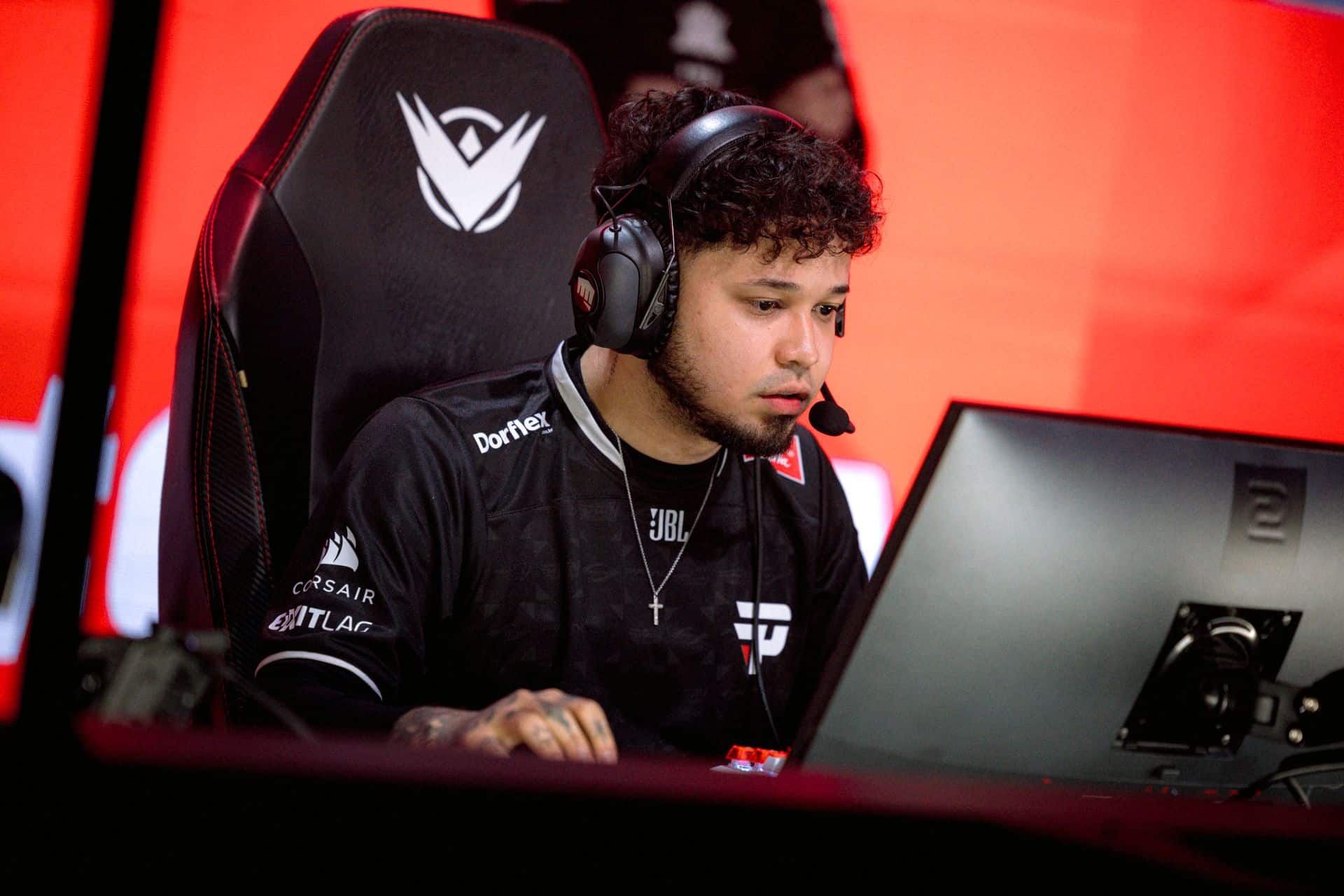
paiN Gaming, one of Latin America’s most established esports organisations, confirmed the suspension of its Counter-Strike player TitaN following allegations of sexual harassment shared online. The organisation stated that the suspension is a precautionary measure while it reviews the situation internally.

The case has triggered widespread discussion across esports communities, raising questions about accountability, due process, and how teams should respond when serious allegations emerge.

Who are paiN Gaming and TitaN
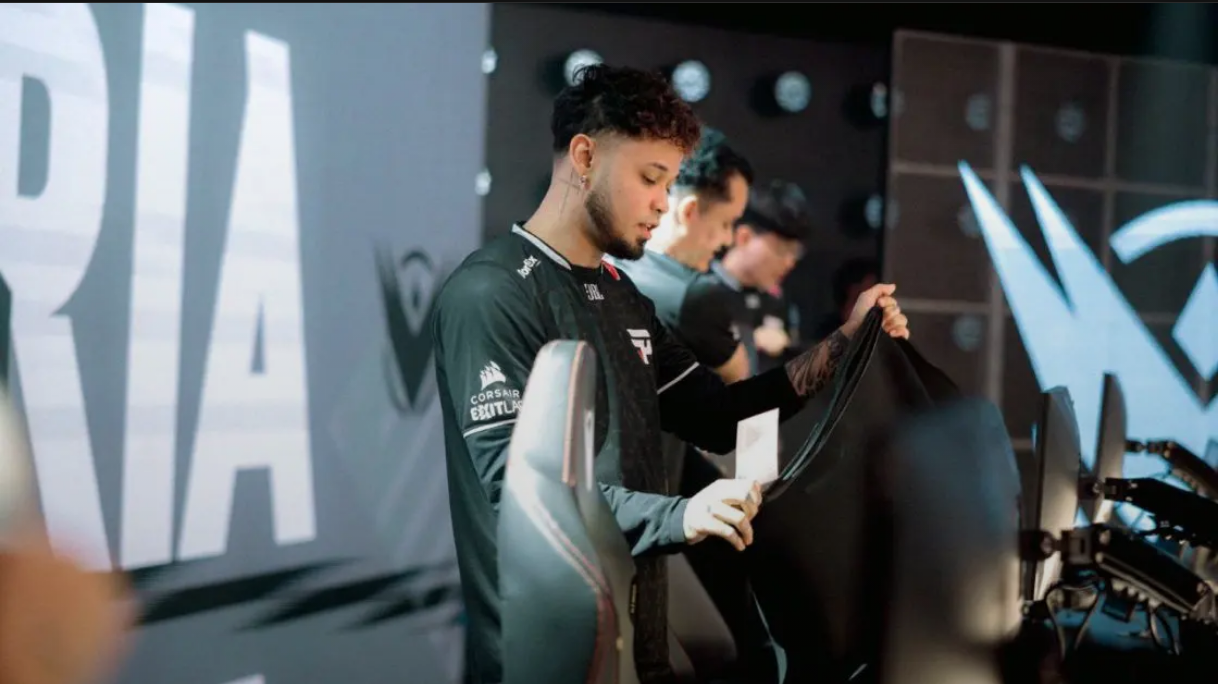
paiN Gaming is among Brazil’s oldest and most recognisable esports organisations. Founded in 2010, the team has competed across multiple titles including Counter-Strike, League of Legends, Dota 2, and Valorant. It is widely known for developing Brazilian talent and maintaining a strong presence in international tournaments.

TitaN, whose real name is Epitácio “TitaN” de Melo, is a veteran Brazilian Counter-Strike player with a career spanning more than a decade. He has competed for several major Brazilian teams and is regarded as an experienced in-game leader within the regional scene.

Their association made headlines not for competitive results, but for a serious off-server issue that has now become a focal point in esports governance discussions.

What led to the suspension

The situation unfolded after allegations of sexual harassment involving TitaN were posted publicly on social media by an individual unaffiliated with paiN Gaming. The claims described inappropriate behaviour and alleged misconduct outside official competition settings.

Shortly after the allegations gained traction online, paiN Gaming released a public statement acknowledging awareness of the claims and confirming that TitaN had been suspended from all team-related activities.

The organisation emphasised that the suspension does not represent a final judgment, but rather a step taken to allow time for internal review, fact-finding, and evaluation of the situation.

paiN Gaming also stated that it maintains a zero-tolerance stance toward harassment and misconduct, while reiterating the importance of due process.

paiN Gaming’s official response

In its statement, paiN Gaming outlined three key positions.

First, the organisation said it takes allegations of harassment seriously and recognises its responsibility to provide a safe environment for players, staff, and partners.

Second, it confirmed that TitaN has been removed from active participation until the situation is clarified.

Third, it noted that further actions would depend on the outcome of the internal assessment and any relevant legal or procedural developments.

This measured response reflects a growing trend in esports organisations toward immediate precautionary suspensions when allegations arise, rather than waiting for prolonged public pressure.

Why this matters for esports organisations

The suspension of a high-profile player like TitaN highlights a broader shift in how esports teams are expected to operate.

Esports organisations are no longer viewed only as competitive brands. They are employers, content producers, and community leaders. With that status comes expectations similar to those placed on traditional sports teams and corporate entities.

Incidents involving alleged harassment can affect sponsor relationships, league participation, and long-term brand credibility. For teams operating globally, reputational risk now extends far beyond regional fan bases.

In recent years, publishers, tournament organisers, and sponsors have increasingly required teams to demonstrate clear codes of conduct and disciplinary procedures. Failure to act decisively can lead to exclusion from events or loss of commercial partnerships.

The role of social media in esports accountability

This case also illustrates how social media continues to play a central role in accountability within esports.

Unlike traditional sports, where incidents are often filtered through league investigations or media coverage, esports allegations frequently surface first on platforms such as X, Instagram, or Twitch.

This creates pressure on organisations to respond quickly, sometimes before full details are available. While rapid response can demonstrate responsibility, it also increases the complexity of balancing fairness, legal risk, and public expectation.

paiN Gaming’s decision to suspend rather than terminate reflects this balancing act.

Impact on the Counter-Strike roster

From a competitive perspective, the suspension creates uncertainty for paiN Gaming’s Counter-Strike lineup.

Replacing an experienced player mid-season can disrupt team coordination, preparation, and in-game leadership. Even temporary roster changes require tactical adjustments and can affect tournament performance.

However, many organisations now prioritise organisational integrity over short-term competitive results, particularly when dealing with allegations that could damage long-term trust.

Legal and ethical considerations

It is important to note that allegations are not convictions. No court ruling or formal legal determination has been announced in this case at the time of writing.

For esports organisations, this creates a complex legal environment. Acting too slowly risks reputational damage, while acting too aggressively can raise contractual and legal concerns.

Most teams now rely on clearly defined player contracts that include morality clauses, behavioural standards, and disciplinary frameworks. These clauses allow organisations to take interim measures such as suspension while preserving due process.

Global context: esports and misconduct standards

The paiN Gaming case fits into a wider global trend where esports organisations are being held to higher standards of professional conduct.

In the USA, UK, Germany, France, Australia, and the UAE, esports teams increasingly operate under formal employment laws, safeguarding expectations, and commercial compliance frameworks.

As esports continues to professionalise, issues such as harassment, discrimination, and abuse are no longer treated as internal matters. They are viewed as industry-wide concerns with regulatory, legal, and reputational consequences.

Key things to know

paiN Gaming has suspended TitaN following public allegations of sexual harassment, pending further review.
The organisation stated that the suspension is precautionary and does not imply a final conclusion.
The case highlights the growing expectation for esports teams to act quickly and transparently.
Social media continues to play a major role in bringing misconduct allegations to light.
Organisations now balance due process with reputational and commercial responsibility.

What happens next

Over the coming weeks, attention will focus on paiN Gaming’s internal review process and whether additional information emerges publicly.

Possible outcomes include reinstatement, further disciplinary measures, or contract termination depending on findings. The organisation may also update its internal policies or player education programs as part of its response.

For the wider esports industry, this case is likely to reinforce the importance of clear conduct guidelines and proactive organisational governance.

Final takeaway

The suspension of TitaN by paiN Gaming underscores how esports has entered a new phase of professional accountability. Allegations of misconduct now prompt immediate organisational action, reflecting higher expectations from fans, sponsors, and partners. As esports continues to mature, how teams handle such moments will shape trust in the industry as much as tournament results.

In simple terms, paiN Gaming has temporarily suspended its Counter-Strike player TitaN after allegations of sexual harassment surfaced publicly, pending an internal investigation and further clarification.


Disclaimer

We strive to uphold the highest ethical standards in all of our reporting and coverage. We StartupNews.fyi want to be transparent with our readers about any potential conflicts of interest that may arise in our work. It’s possible that some of the investors we feature may have connections to other businesses, including competitors or companies we write about. However, we want to assure our readers that this will not have any impact on the integrity or impartiality of our reporting. We are committed to delivering accurate, unbiased news and information to our audience, and we will continue to uphold our ethics and principles in all of our work. Thank you for your trust and support.

Popular

More Like this

paiN Gaming Suspends TitaN Following Sexual Harassment Allegations

The global esports industry is facing renewed scrutiny over player conduct, workplace safety, and organisational responsibility. This time, the focus is on Brazil, one of the world’s largest and most influential esports markets.

paiN Gaming, one of Latin America’s most established esports organisations, confirmed the suspension of its Counter-Strike player TitaN following allegations of sexual harassment shared online. The organisation stated that the suspension is a precautionary measure while it reviews the situation internally.

The case has triggered widespread discussion across esports communities, raising questions about accountability, due process, and how teams should respond when serious allegations emerge.

Who are paiN Gaming and TitaN

paiN Gaming is among Brazil’s oldest and most recognisable esports organisations. Founded in 2010, the team has competed across multiple titles including Counter-Strike, League of Legends, Dota 2, and Valorant. It is widely known for developing Brazilian talent and maintaining a strong presence in international tournaments.

TitaN, whose real name is Epitácio “TitaN” de Melo, is a veteran Brazilian Counter-Strike player with a career spanning more than a decade. He has competed for several major Brazilian teams and is regarded as an experienced in-game leader within the regional scene.

Their association made headlines not for competitive results, but for a serious off-server issue that has now become a focal point in esports governance discussions.

What led to the suspension

The situation unfolded after allegations of sexual harassment involving TitaN were posted publicly on social media by an individual unaffiliated with paiN Gaming. The claims described inappropriate behaviour and alleged misconduct outside official competition settings.

Shortly after the allegations gained traction online, paiN Gaming released a public statement acknowledging awareness of the claims and confirming that TitaN had been suspended from all team-related activities.

The organisation emphasised that the suspension does not represent a final judgment, but rather a step taken to allow time for internal review, fact-finding, and evaluation of the situation.

paiN Gaming also stated that it maintains a zero-tolerance stance toward harassment and misconduct, while reiterating the importance of due process.

paiN Gaming’s official response

In its statement, paiN Gaming outlined three key positions.

First, the organisation said it takes allegations of harassment seriously and recognises its responsibility to provide a safe environment for players, staff, and partners.

Second, it confirmed that TitaN has been removed from active participation until the situation is clarified.

Third, it noted that further actions would depend on the outcome of the internal assessment and any relevant legal or procedural developments.

This measured response reflects a growing trend in esports organisations toward immediate precautionary suspensions when allegations arise, rather than waiting for prolonged public pressure.

Why this matters for esports organisations

The suspension of a high-profile player like TitaN highlights a broader shift in how esports teams are expected to operate.

Esports organisations are no longer viewed only as competitive brands. They are employers, content producers, and community leaders. With that status comes expectations similar to those placed on traditional sports teams and corporate entities.

Incidents involving alleged harassment can affect sponsor relationships, league participation, and long-term brand credibility. For teams operating globally, reputational risk now extends far beyond regional fan bases.

In recent years, publishers, tournament organisers, and sponsors have increasingly required teams to demonstrate clear codes of conduct and disciplinary procedures. Failure to act decisively can lead to exclusion from events or loss of commercial partnerships.

The role of social media in esports accountability

This case also illustrates how social media continues to play a central role in accountability within esports.

Unlike traditional sports, where incidents are often filtered through league investigations or media coverage, esports allegations frequently surface first on platforms such as X, Instagram, or Twitch.

This creates pressure on organisations to respond quickly, sometimes before full details are available. While rapid response can demonstrate responsibility, it also increases the complexity of balancing fairness, legal risk, and public expectation.

paiN Gaming’s decision to suspend rather than terminate reflects this balancing act.

Impact on the Counter-Strike roster

From a competitive perspective, the suspension creates uncertainty for paiN Gaming’s Counter-Strike lineup.

Replacing an experienced player mid-season can disrupt team coordination, preparation, and in-game leadership. Even temporary roster changes require tactical adjustments and can affect tournament performance.

However, many organisations now prioritise organisational integrity over short-term competitive results, particularly when dealing with allegations that could damage long-term trust.

Legal and ethical considerations

It is important to note that allegations are not convictions. No court ruling or formal legal determination has been announced in this case at the time of writing.

For esports organisations, this creates a complex legal environment. Acting too slowly risks reputational damage, while acting too aggressively can raise contractual and legal concerns.

Most teams now rely on clearly defined player contracts that include morality clauses, behavioural standards, and disciplinary frameworks. These clauses allow organisations to take interim measures such as suspension while preserving due process.

Global context: esports and misconduct standards

The paiN Gaming case fits into a wider global trend where esports organisations are being held to higher standards of professional conduct.

In the USA, UK, Germany, France, Australia, and the UAE, esports teams increasingly operate under formal employment laws, safeguarding expectations, and commercial compliance frameworks.

As esports continues to professionalise, issues such as harassment, discrimination, and abuse are no longer treated as internal matters. They are viewed as industry-wide concerns with regulatory, legal, and reputational consequences.

Key things to know

paiN Gaming has suspended TitaN following public allegations of sexual harassment, pending further review.
The organisation stated that the suspension is precautionary and does not imply a final conclusion.
The case highlights the growing expectation for esports teams to act quickly and transparently.
Social media continues to play a major role in bringing misconduct allegations to light.
Organisations now balance due process with reputational and commercial responsibility.

What happens next

Over the coming weeks, attention will focus on paiN Gaming’s internal review process and whether additional information emerges publicly.

Possible outcomes include reinstatement, further disciplinary measures, or contract termination depending on findings. The organisation may also update its internal policies or player education programs as part of its response.

For the wider esports industry, this case is likely to reinforce the importance of clear conduct guidelines and proactive organisational governance.

Final takeaway

The suspension of TitaN by paiN Gaming underscores how esports has entered a new phase of professional accountability. Allegations of misconduct now prompt immediate organisational action, reflecting higher expectations from fans, sponsors, and partners. As esports continues to mature, how teams handle such moments will shape trust in the industry as much as tournament results.

In simple terms, paiN Gaming has temporarily suspended its Counter-Strike player TitaN after allegations of sexual harassment surfaced publicly, pending an internal investigation and further clarification.

Disclaimer

We strive to uphold the highest ethical standards in all of our reporting and coverage. We StartupNews.fyi want to be transparent with our readers about any potential conflicts of interest that may arise in our work. It’s possible that some of the investors we feature may have connections to other businesses, including competitors or companies we write about. However, we want to assure our readers that this will not have any impact on the integrity or impartiality of our reporting. We are committed to delivering accurate, unbiased news and information to our audience, and we will continue to uphold our ethics and principles in all of our work. Thank you for your trust and support.

Website Upgradation is going on for any glitch kindly connect at office@startupnews.fyi

More like this

Can A.I. Generate New Ideas?

Systems like OpenAI’s GPT-5 are accelerating research in math,...

Google’s Trends Explore page gets new Gemini capabilities 

Google announced Wednesday the launch of a revamped...

Femtech Brand Pee Safe Bags $32 Mn From OrbiMed

SUMMARY Pee Safe has secured $32 Mn (INR 290...

Popular

iptv iptv iptv iptv iptv iptv iptv iptv iptv iptv iptv iptv iptv iptv iptv iptv iptv iptv iptv iptv iptv iptv iptv iptv iptv iptv iptv iptv iptv iptv iptv iptv iptv iptv iptv iptv iptv iptv iptv iptv iptv iptv iptv iptv iptv iptv iptv iptv iptv iptv iptv iptv iptv iptv iptv iptv iptv iptv iptv iptv iptv iptv iptv iptv iptv iptv iptv iptv iptv iptv iptv iptv iptv iptv iptv iptv iptv iptv iptv iptv iptv iptv iptv iptv iptv iptv iptv iptv iptv iptv iptv iptv iptv iptv iptv iptv iptv iptv iptv iptv iptv iptv iptv iptv iptv iptv iptv iptv iptv iptv iptv iptv iptv iptv iptv iptv iptv iptv iptv iptv iptv iptv iptv iptv iptv iptv iptv iptv iptv iptv iptv iptv iptv iptv iptv iptv iptv iptv iptv iptv iptv iptv iptv iptv iptv iptv iptv iptv iptv iptv iptv iptv iptv iptv iptv iptv iptv iptv iptv iptv iptv iptv iptv iptv iptv iptv iptv iptv iptv iptv iptv iptv iptv iptv iptv iptv iptv iptv iptv iptv iptv iptv iptv iptv iptv iptv iptv iptv iptv iptv iptv iptv iptv iptv iptv iptv iptv iptv iptv iptv iptv iptv iptv iptv iptv iptv iptv iptv iptv iptv iptv iptv iptv iptv iptv iptv iptv iptv iptv iptv iptv iptv iptv iptv iptv iptv iptv iptv iptv iptv iptv iptv iptv iptv iptv iptv iptv iptv iptv iptv iptv iptv iptv iptv iptv iptv iptv iptv iptv iptv iptv iptv iptv iptv iptv iptv iptv iptv iptv iptv iptv iptv iptv iptv iptv iptv iptv iptv iptv iptv iptv iptv iptv iptv iptv iptv iptv iptv iptv iptv iptv iptv iptv iptv iptv iptv iptv iptv iptv iptv iptv iptv iptv iptv iptv iptv iptv iptv iptv iptv iptv iptv iptv iptv iptv iptv iptv iptv iptv iptv iptv iptv iptv iptv iptv iptv iptv iptv iptv iptv iptv iptv iptv iptv iptv iptv iptv iptv iptv iptv iptv iptv iptv iptv iptv iptv iptv iptv iptv iptv iptv iptv iptv iptv iptv iptv iptv iptv iptv iptv iptv iptv iptv iptv iptv iptv iptv iptv iptv iptv iptv iptv iptv iptv iptv iptv iptv iptv iptv iptv iptv iptv iptv iptv iptv iptv iptv iptv iptv iptv iptv iptv iptv iptv iptv iptv iptv iptv iptv iptv iptv iptv iptv iptv iptv iptv iptv iptv iptv iptv iptv iptv iptv iptv iptv iptv iptv iptv iptv iptv iptv iptv iptv iptv iptv iptv iptv iptv iptv iptv iptv iptv iptv iptv iptv iptv iptv iptv iptv iptv iptv iptv iptv iptv iptv iptv iptv iptv iptv iptv iptv iptv iptv iptv iptv iptv iptv iptv iptv iptv iptv iptv iptv iptv iptv iptv iptv iptv iptv iptv iptv iptv iptv iptv iptv iptv iptv iptv iptv iptv iptv iptv iptv iptv iptv iptv